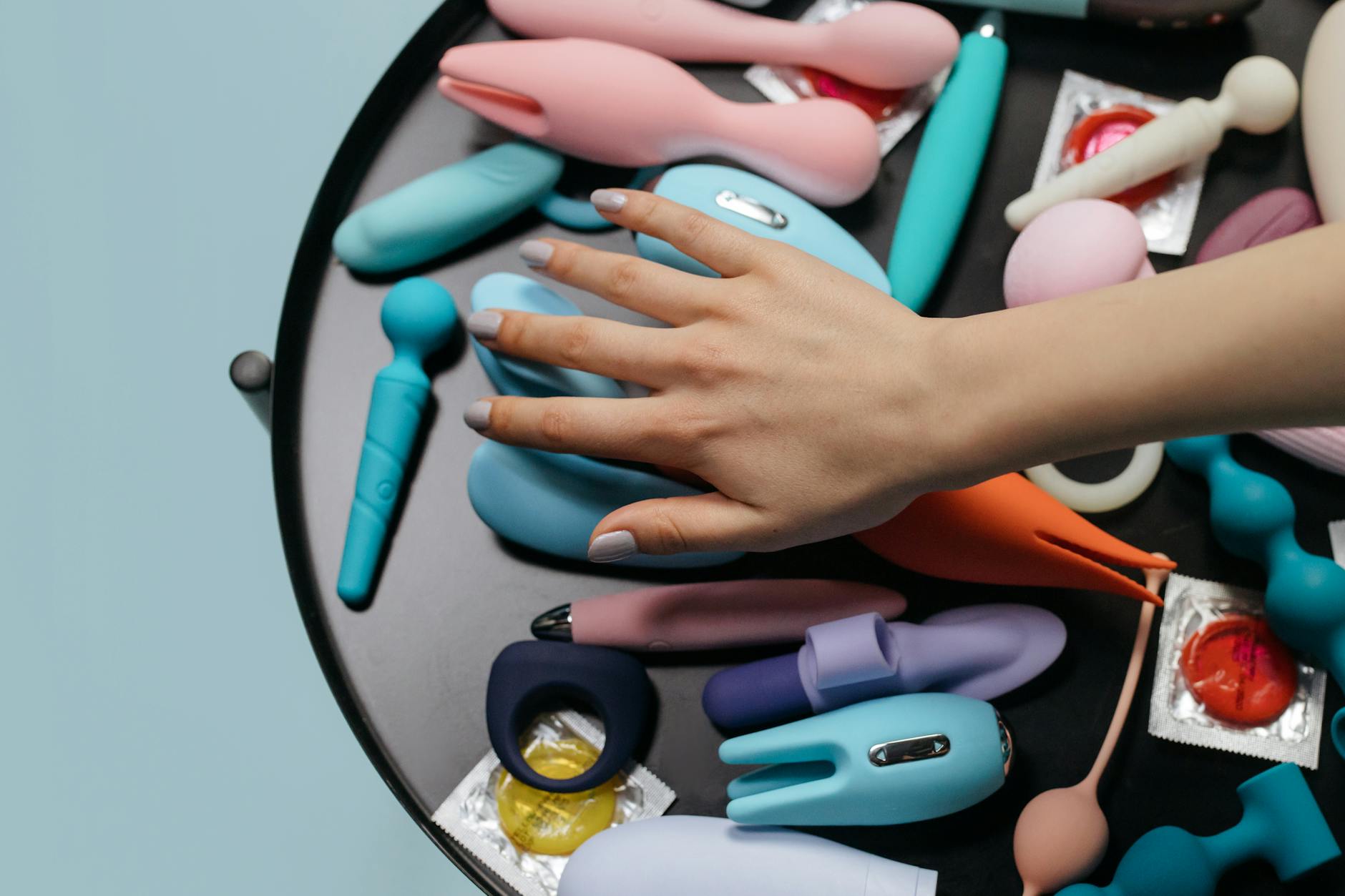
The vibrator you've been using might not be the one your body actually wants
Let's be real: not all clitoral vibrators do the same thing. A traditional wand vibrator, a rabbit, a bullet, and a lemon clitoral vibrator feel completely different on your body. They work through different mechanisms. They suit different bodies, different sensitivities, and different kinds of stimulation.
Most people pick their first toy based on what looks cute or what a friend recommended. That's fine. But if you've been using the same style for years and the results have plateaued, or if you tried something and it felt uncomfortable, the problem might not be you. It might be that you're using the wrong tool for your body.
The physics behind the feeling
Traditional vibrators use direct oscillation. The whole toy vibrates back and forth, thousands of times per second. That vibration travels through the toy into your tissue. It's efficient, it's direct, and it works brilliantly for some people. Particularly for those with thicker tissue or lower sensitivity thresholds.
Lemon vibrators, and other air-suction toys, work completely differently. Instead of vibration, they use gentle suction and pulse patterns that draw blood into the clitoris. The sensation is less percussive, more enveloping. Think of it like the difference between someone tapping your shoulder versus someone cupping their hand around it. The physical outcome is similar. The experience is entirely different.
This distinction matters because tissue responds differently to different stimuli. A person who finds traditional vibration too intense on sensitive tissue often finds air-suction incredibly comfortable. The reverse is also true: someone who loves the direct contact of vibration might find suction feels too indirect.
Why lemon clitoral vibrators feel different
The lemon design of air-suction toys creates a specific geometry. The opening is wider and softer than a bullet vibrator, which means the suction distributes pressure more evenly across the clitoral head and body. You're not hitting one concentrated point. You're engaging the whole vulva area at once.
For comparison, a traditional vibrator concentrates stimulus at whatever single point you're pressing against your body. A wand has a larger surface area, so it spreads stimulus, but it still relies on vibration as the primary mechanism. A lemon sucker combines width with suction, which creates a third distinct sensation entirely.
Another factor: depth of stimulation. Vibration travels quite far into the tissue. Suction is more superficial in the best sense. It pulls blood into your clitoris without that deep internal buzz some people find overwhelming. This is why people often report that air-suction toys feel gentler while simultaneously delivering stronger orgasms. The mechanism is different. The clitoris responds differently.
When to choose a lemon vibrator over traditional options
Honestly, there's no universal answer. But here are the patterns I see most often in my practice.
Reach for lemon clitoral vibrators if: You have sensitive tissue, you've found traditional vibrators too intense, you're recovering from an injury or surgery that's made direct vibration uncomfortable, or you're someone whose pleasure builds slowly. Air-suction tools work better for extended sessions. They don't fatigue your tissue the way vibration can if you use it for 20 minutes straight.
Also consider lemon vibrators if you're exploring your own pleasure for the first time and you're not sure what you want. They're less intimidating than a high-powered wand. They feel more like an extension of a partner's touch and less like an appliance.
Stick with traditional vibrators if: You love direct, intense stimulus, you've had good results with vibration in the past, or your sensitivity threshold is higher. Vibration works. There's no reason to switch if you're already satisfied. The goal is not to use a certain toy. It's to have pleasure that works for your body.
The wand versus lemon comparison
Wands are workhorses. They're powerful, they're versatile, and they can be used internally or externally. Many people default to wands because they're effective and relatively inexpensive.
But wands have two quirks. First, they're bulkier, which means they're harder to angle precisely. Second, their power is harder to dial down. A beginner with a high-powered wand often ends up numbing themselves without realizing it. The sensation stops increasing after a certain point, but they keep pressing harder because they assume they need more intensity.
Lemon clitoral vibrators, by contrast, are designed with control in mind. Most air-suction toys have several intensity levels, and they work in a totally different range. You're not fighting numbness. You're building sensation gradually.
The bullet and the nuance you're missing
Bullets are tiny, affordable, and they fit anywhere. They're a good first toy for someone nervous about the whole category. But they're also incredibly limited. They have one size, one speed, and they concentrate all their force into a tiny point.
If a bullet vibrator is the only thing you've ever tried, you haven't actually tested your preferences yet. You've tested whether you like bullet vibrators. Those are different things. Many people who think they hate vibrators actually just hate bullets, and then they try a lemon sucker and realize they've been wrong about themselves the whole time.
I've had clients tell me that switching from a bullet to a lemon vibrator was like switching from a terrible headphone earbud to a real speaker. Same input, completely different output.
What makes lemon vibrators so good for partners
One more thing. If you share pleasure with a partner, lemon clitoral vibrators are easier to use during partnered sex than traditional vibrators.
Wands are bulky and hard to position when someone else is involved. Bullets numb easily and deliver uneven sensation. But a lemon vibrator, because of its size and its mechanism, sits nicely against your body without creating a barrier between you and your partner. The suction is gentle enough that it doesn't require you to be perfectly still. You can move together.
This is why I often recommend lemon vibrators to couples who want to integrate toys into their intimate time without toys becoming the entire focus. They're less about performance and more about enhancement.
Getting the most from whichever toy you choose
Here's the truth: the toy matters less than your expectations and your technique. If you've been using a traditional vibrator with the intensity cranked to maximum, numbing yourself out, and wondering why orgasms feel distant, switching toys won't fix that. The issue is approach, not equipment.
But if you're using good technique and you've simply outgrown what your current toy offers, a lemon clitoral vibrator might genuinely change your experience. The mechanism is different. Your body responds differently. It's not better or worse. It's just different in a way that might unlock something new.
I recommend exploring if you're curious. Start with lower intensity. Pay attention to the sensations you notice. Compare it to what you felt with previous toys. Your body will tell you what it prefers. Listen to that signal more than any recommendation from me.
FAQ: Lemon vibrators and how they stack up
How does a lemon clitoral vibrator compare to a bullet vibrator in terms of intensity?
Bullets deliver high-intensity vibration in a very concentrated spot. Lemon vibrators deliver gentler sensation across a wider area. That doesn't mean they're weaker overall. Air-suction toys often deliver stronger orgasms because they engage more tissue at once. Intensity and strength are not the same thing.
Can you use a lemon vibrator during partnered sex like you can with a wand?
Yes, actually better than a wand in most cases. A wand is bulky and gets in the way. A lemon vibrator is smaller, fits snugly against your body, and doesn't create a physical barrier between you and your partner. This makes it easier for both people to stay connected during the experience.
What's the difference between a lemon sucker and a traditional vibrator for sensitive tissue?
A lemon sucker uses suction instead of direct vibration, so the stimulus feels more enveloping and less percussive. If direct vibration causes discomfort or overstimulation, a lemon clitoral vibrator is often much gentler while still being effective.
Do lemon vibrators work as well as wands for reaching orgasm?
That depends entirely on your body. Some people reach orgasm faster with wands. Others find wands too intense and actually struggle to finish because of numbness. With lemon vibrators, many people report stronger, longer orgasms because the mechanism works differently with your nervous system.
How long does it take to adjust to a lemon vibrator if I've only used traditional vibrators before?
Usually one or two sessions. The first time might feel unfamiliar because the sensation is different. By the second or third use, most people realize whether they prefer it or want to stick with what they knew. Your body adapts quickly.
Are lemon vibrators quieter than traditional vibrators?
Generally yes. Air-suction toys are much quieter than vibrators because there's no motor vibrating the toy itself. If discretion matters to you, a lemon vibrator is a significant upgrade.
The short version
Lemon vibrators aren't better than traditional toys. They're different. And that difference matters if traditional tools haven't been working well for your body.
If you're curious about what air-suction feels like, trying one costs nothing but an open mind. If you love what you already have, there's zero reason to switch. The only rule is this: your pleasure matters, and you deserve a tool that actually works for your body, not against it.
Want to explore what works best for you? Reach out. We can talk through what might suit your needs.