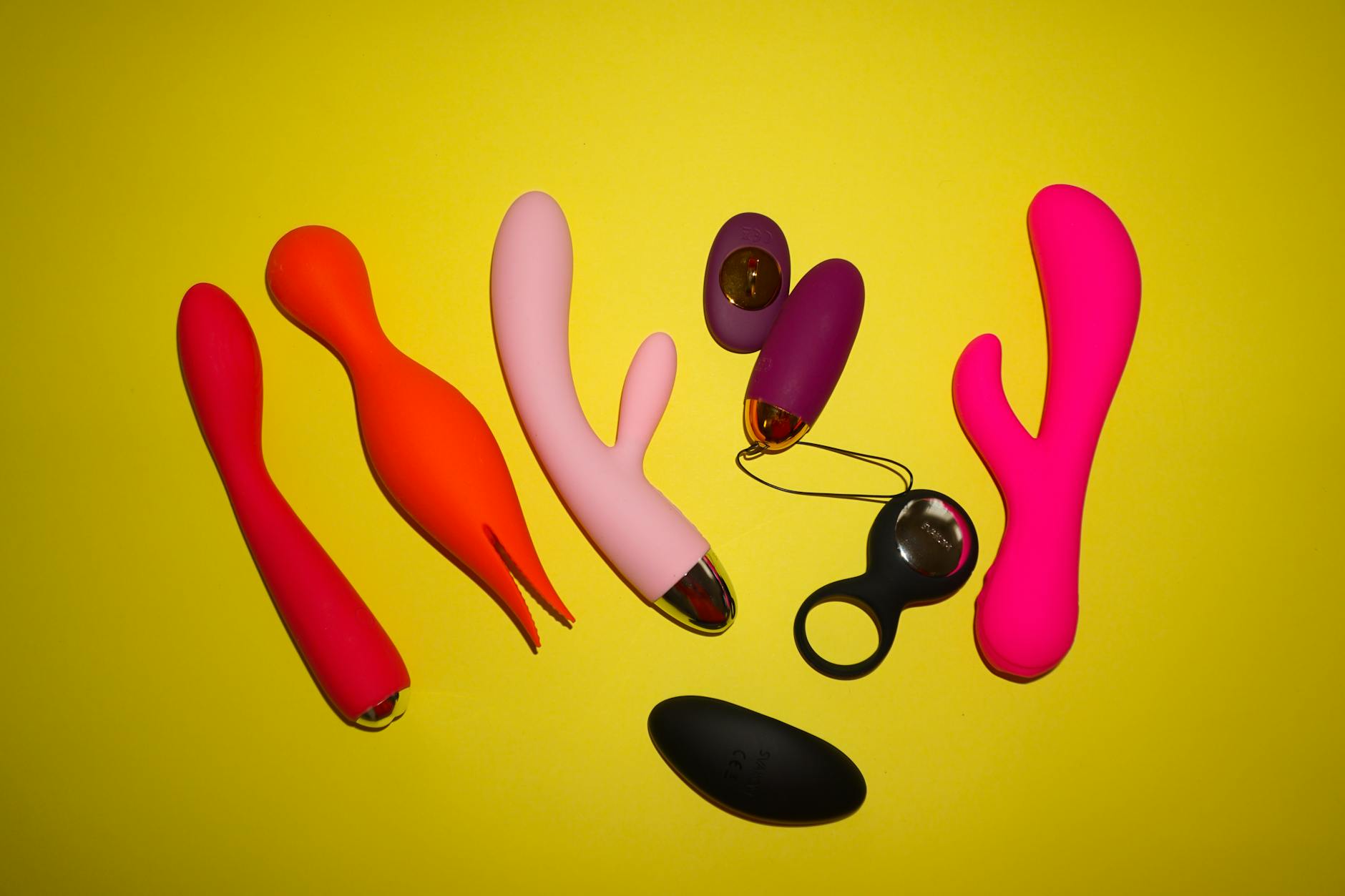
Let's be honest about the intimidation factor
Suction vibrators have a reputation. People see the lemon clitoral vibrator or read "suction toy" and picture something industrial, intense, almost medical. That's partly because suction technology is genuinely different from what most people grew up with. Different doesn't mean dangerous, but it does mean unfamiliar. And unfamiliar can feel like a lot.
Here's what I hear in my practice: "I'm worried it'll be too strong." "Does it actually feel like what people say?" "What if I don't like it and I've spent money?" These are legitimate concerns. And they're worth taking seriously before you commit.
Why lemon suction toys actually work differently
Instead of vibrating rapidly back and forth, a suction vibrator creates a gentle pulling sensation. Think less "jackhammer" and more "soft mouth." The stimulation is concentrated but not rigid. Your clitoral tissue gets stimulated through a combination of suction, gentle pulsing, and sometimes (but not always) vibration.
This matters because the clitoris has around 8,000 nerve endings, but they're not evenly distributed. Most traditional vibrators rely on direct pressure or friction. Lemon suction toys work on a completely different principle. They stimulate without the same mechanical pressure. For people with sensitive tissue, people recovering from pelvic pain, or anyone who's found traditional vibrators either too buzzy or too numbing, this feels revelatory.
But here's the thing: different doesn't automatically mean better. It means different. Your body will tell you whether it works for you or not. The key is lowering the stakes enough to actually listen.
The mental barrier is often bigger than the physical one
When I work with couples or individuals hesitant about suction technology, I notice the anxiety usually isn't really about sensation. It's about expectations. You've bought something positioned as advanced, innovative, expensive. What if your body doesn't respond the way the reviews promise? What if you wasted money? What if you feel broken because something that's supposed to feel amazing feels meh?
That psychological weight is real. And it makes exploration harder.
One tactic I recommend: separate the tool from the outcome. You're not buying a device to have the best orgasm of your life. You're buying a device to understand how your body responds to a new type of stimulation. That's it. No performance pressure. No comparison to hype. Just information.
Start with the right expectations about intensity
Lemon clitoral vibrators come in different intensity settings. Most have a gentle mode that's far less intense than you'd expect. The highest settings, yes, can feel strong. But you're not obligated to go there. Many people find their sweet spot on pattern 2 or 3 and stay there.
Here's what actually helps: setting a timer for the first few times. Give yourself 10 minutes to explore, no pressure to come, no expectation of a particular sensation. Just notice. Does it feel good? Uncomfortable? Too strong? Not strong enough? Surprising? After 10 minutes, stop. Your nervous system needs time to integrate new sensations.
Repeat this a few times before you jump to 20 or 30 minute sessions. This sounds boring, I know. But it genuinely works. Your body learns. Your brain learns. And your pleasure response deepens.
Why you might actually prefer suction to what you're using now
Two groups tend to find suction technology transformative: people whose traditional vibrators create numbness, and people who've experienced pelvic pain or haven't had access to good clitoral pleasure for a while. If your nervous system is tense or guarded, suction can feel more natural. It doesn't require the same level of muscular tension in your pelvic floor.
If you've struggled with how to use a lemon vibrator when pelvic floor tension blocks pleasure, suction technology might genuinely be the next chapter. Same principle applies if desire feels disconnected from physical arousal. The gentleness of suction can help rewire that connection.
But you won't know until you try. And you can't try if you're waiting for permission or for absolute certainty first.
The money thing: how to reduce financial hesitation
Clitoral vibrators aren't cheap. Hello Nanc's Lemon Clitoral Vibrator sits at $89, which is a real investment. If you're nervous, consider starting elsewhere. Berri offers suction technology at $64.99. That's still money, but it's a lower barrier. You get to test whether suction works for your body before committing to the premium version.
The other option: ask a partner to split the cost if this is something you're exploring together. Or wait for your birthday or Christmas and explicitly ask for it. Sometimes permission from another person (or yourself) makes it feel less risky.
One more reality check: if you hate it, Hello Nanc has a reasonable return policy. You're not locked in forever.
What to do if suction still feels like too much
Not everyone loves suction technology. That's completely normal. If you try it a few times and it just doesn't work, that's real feedback. Your pleasure matters, but not because you owe some device a second chance.
Here's what I'd suggest instead: figure out what specifically didn't work. Was it the intensity? The sensation profile? The learning curve? Does traditional vibration actually feel better? Once you know, you can find what does work. Maybe that's a different clitoral vibrator. Maybe it's a wand. Maybe it's discovering that you prefer hand stimulation or a partner's mouth, and devices just aren't your thing. All of that is valuable information.
There's no wrong answer here. The goal isn't to force yourself into liking something you don't. It's to expand what's available to you so you can choose from a wider menu.
Building confidence before you buy
If you're still hesitant, here's a practical step: read reviews from people with your specific concern. Not the glowing five-star reviews, but the ones from people saying "I was nervous too." Real words from real bodies often land differently than marketing copy.
Join conversations on Reddit's r/SexToys or similar communities. Ask questions. See how other people navigated the intimidation. You'll find that almost everyone feels nervous before their first suction toy. And most people are glad they tried.
Talk to a partner if you have one. Make it a conversation, not a secret. Shared curiosity often feels safer than solo risk-taking.
And if you need permission: you deserve to explore this. Your pleasure matters. Your curiosity is valid. You're allowed to be nervous and try anyway.
The thing that usually surprises people
After my clients finally try a lemon clitoral vibrator or similar suction toy, the most common response isn't "It's the best thing ever." It's "Oh, I actually really like this." Quieter. More grounded. Less hype, more recognition.
That's the real win. Not that suction is objectively superior, but that you've added another tool to your toolkit. And you know your body a little better because you tried something that scared you slightly.
That matters. Not for your orgasm. For your life.
People also ask
How do I know if a lemon vibrator is right for me?
Start with suction sensitivity. If traditional vibrators make you numb, or if you have pelvic floor tension, suction technology might feel more natural. If direct pressure feels good and you're happy with your current setup, you might not need it. The honest answer: you won't know until you try. That's why starting small, with low stakes, helps. Give yourself three to five short sessions before deciding.
What if the suction vibrator feels too intense right away?
Don't push through it. Turn it off, take a break, and try again later at a lower intensity setting. Your body doesn't need to be convinced. Intensity isn't the goal. Discovering what feels good is. If you consistently find that even the gentlest setting is too much, that's real feedback. It doesn't mean you're broken or that you need to force it.
Can I use a lemon suction toy with a partner?
Absolutely. Some couples find that introducing suction technology together makes things feel new and collaborative. Others use it solo and share the experience afterward. There's no right way. If you're nervous, partnered exploration can feel safer because you're discovering together rather than alone. Communicate before you start: what you're curious about, what might feel overwhelming, what you want from the experience.
Do I need lube with a clitoral vibrator?
Not necessarily. Some people prefer a little external lube for extra glide, but it's not required like it is for penetrative devices. A tiny amount of water-based lube never hurts, but your natural lubrication is usually enough. If your clitoris is sensitive or you've had issues with friction, lube can actually reduce discomfort.
How long does it take to see if suction works for you?
Three short sessions usually tells you something. Five sessions tells you more. Don't go into your first experience expecting revelation. You're gathering information. After a week of gentle exploration, you'll have a sense of whether this is a tool worth keeping or a learning experience that didn't stick.
What's the difference between a lemon vibrator and other clitoral vibrators?
The lemon clitoral vibrator uses suction technology instead of traditional vibration. Most other vibrators buzz or pulse through direct contact. Suction works differently on your nervous system and tissue. For some people it feels amazing. For others, traditional vibration still wins. There's no universal "best." There's only what works for your specific body.
The real bottom line
Fear of the unknown is reasonable. But it doesn't have to stop you. Start small, keep expectations flexible, and remember that trying something and discovering it's not for you is just as valuable as trying something and loving it. Either way, you know more about what your body wants. That's always worth the effort.