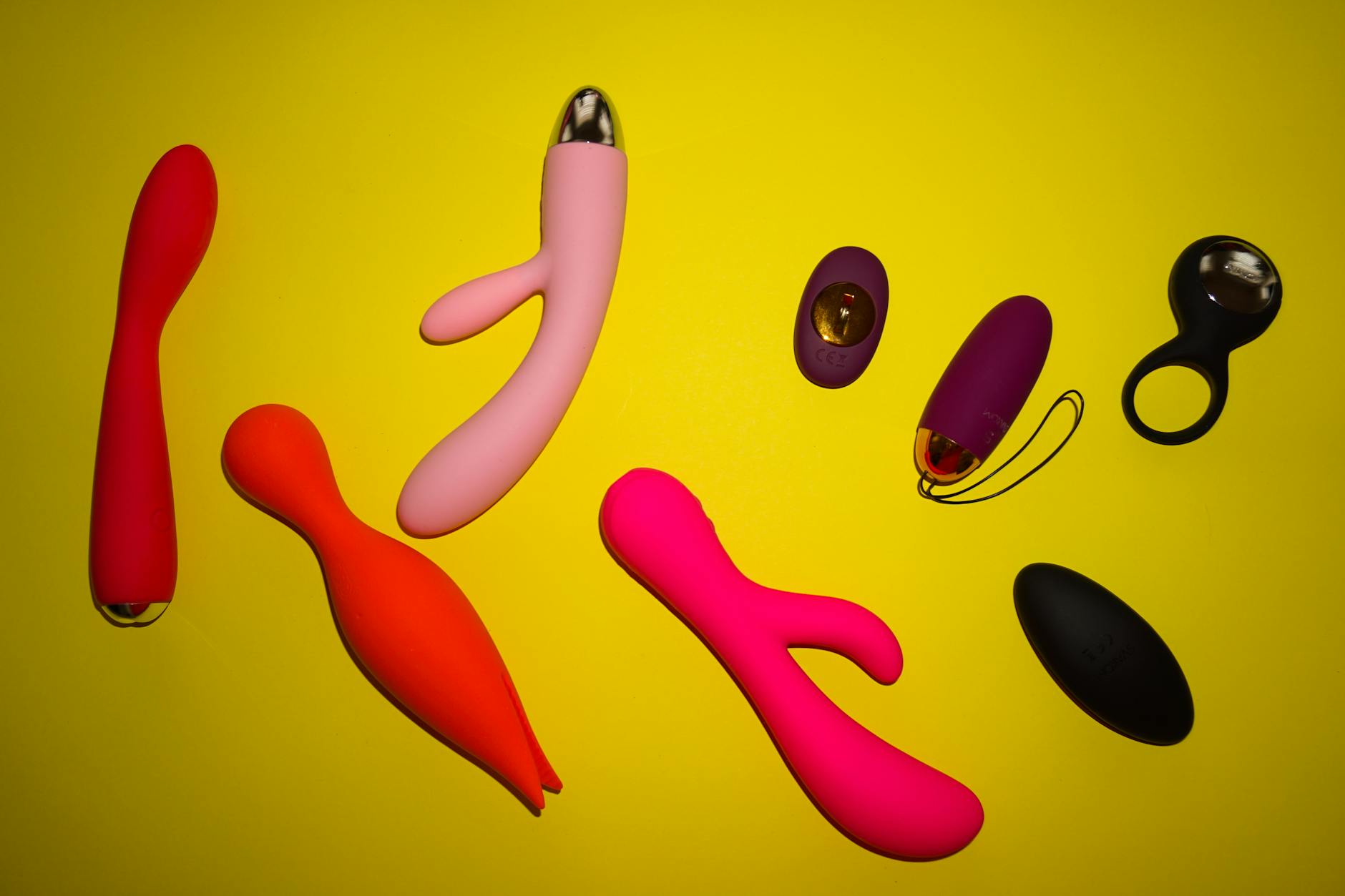
Here's the thing about pain during sex
It doesn't just hurt in the moment. It rewires your nervous system. Your brain starts to anticipate pain before it even happens, which means you tense up, pull away, and eventually stop wanting to try at all. Your body isn't being dramatic. It's doing exactly what it's supposed to do. Protect you.
But protection that lasts months or years becomes a cage. And rebuilding confidence after painful sex is fundamentally different from building it the first time. You're not just learning pleasure. You're teaching your body that pleasure is possible again.
Why a lemon vibrator works for this specific journey
A lemon clitoral vibrator like the Lem operates through suction and gentle pulsing, not friction. That matters enormously when you're rebuilding confidence. Friction can feel aggressive when you're nervous. Suction feels more like a conversation. You control the rhythm. You control the pace. You control whether it stays or goes.
That sense of control is not a side benefit. It's the whole point. After painful sex, your nervous system needs proof that you can stop things instantly, that nothing will escalate beyond what you've chosen. A device you hold gives you that proof in real time.
The Lem also has pattern variety without overwhelming intensity jumps. You can start at pulse 1 (barely perceptible) and move up in small increments. No sudden shock. No surprise. Just gradual, predictable increases that your brain can process and accept.
The first three weeks: rewiring your nervous system
Your goal here isn't an orgasm. Seriously, let that go. Your goal is sensation without fear.
Start in a space where you feel completely safe and alone. Not "alone in your house." Alone. Phone on silent. Door locked. Timing matters less than the absence of interruption.
Wear whatever makes you feel grounded. For some people that's nothing. For others it's a favorite shirt or underwear that smells like their detergent. There's no wrong answer as long as it signals safety to your body.
Spend 10-15 minutes just touching your body in non-sexual ways. Forearms, neck, inner elbows, anywhere that feels good but not goal-oriented. This primes your parasympathetic nervous system, the part that knows how to relax. Pain keeps you in sympathetic mode, fight-or-flight. You need to flip that switch before anything else happens.
Now bring the lemon vibrator into the room. Don't use it yet. Just look at it. Hold it. Notice that it's inert. It has no agenda. You are 100% in charge of what happens next.
When you're ready, turn it on at the lowest setting and hold it against your inner forearm for 20-30 seconds. Feel the sensation. Notice that it doesn't hurt. It's just a vibration. Now move it to your thigh. Your hipbone. Anywhere but the area where you felt pain before. This builds a library of "this sensation equals safety" in your nervous system.
Do this for 3-5 days before you go anywhere near genitals. I know that sounds slow. Your nervous system is moving at its own pace, and speed only backfires.
Weeks four and five: introducing sensation to the area
Once you've established that the vibrator itself is safe, you can move it to the external vulva. Start with your outer labia, far from the most sensitive areas. Keep the setting at 1 or 2. The goal is still not an orgasm. It's sensation without flashbacks.
You might notice your body tenses. That's not failure. That's information. Pause. Breathe. Take the vibrator away for a moment. Then resume. You're teaching your nervous system that you can pause at any time. That agency is everything.
Some people find it helpful to use self-touch in between. A finger on your forearm while the vibrator works on your vulva. Something that anchors you to the idea that you're choosing this, controlling this, and safe.
If intrusive thoughts appear (memories of the painful experience, "this won't work anyway," "I'm broken"), let them move through like weather. Don't fight them. Don't believe them. Just notice them and keep breathing. Your nervous system is cleaning house. That's actually progress.
Weeks six onward: pleasure returns on its own terms
You don't force an orgasm. You build tolerance for arousal, and orgasm follows when your body is ready. The difference is crucial. Chasing an orgasm makes you a goal-oriented observer of your own body. Which is the exact opposite of where you need to be.
Instead, keep using the lemon vibrator in the way that feels good, at whatever setting feels right. For some people that's always setting 2. For others it builds to 4 or 5. For many, an orgasm happens somewhere in the middle of that journey. For some, orgasms take months. Both are completely normal.
If you're working with a partner, be honest about where you are. "I'm still rebuilding. I might use the vibrator alone for another few weeks." A partner worth keeping will understand. And if they don't, you have a bigger conversation that needs to happen anyway.
When you do eventually want to include a partner, keep the lemon vibrator as part of the experience. Having your own device means you never lose control. You're not asking for something. You're demonstrating what you like.
What to avoid while you're rebuilding
Don't try penetration, even shallow, until you've had at least 2-3 weeks of clitoral pleasure without any pain memory surfacing. Your body will tell you when it's ready. Listen to that signal.
Don't pressure yourself into partnered sex before solo sessions feel genuinely good. The pressure itself becomes a form of pain. Avoid it.
Don't use numbing creams or pain medication to "get through" partnered sex. That's suppressing the signal, not healing it. The signal matters.
Don't assume that your body is permanently broken. Pain during sex has many causes, most of which are treatable. If you haven't already seen a pelvic floor physical therapist or gynecologist trained in pain medicine, do that now. A lemon vibrator helps you rebuild confidence while you address the root cause separately.
The timeline is not linear
Some weeks will feel like real progress. Others will feel like backsliding. That's normal nervous system work. Your body isn't moving in a straight line toward "fixed." It's spiraling back toward trust.
On harder days, remember that rebuilding confidence after painful sex is an act of rebellion. You're refusing to let that experience define what you deserve. That takes time. Be patient with yourself the way you'd be patient with someone you love going through the same thing.
People also ask
Is it normal to feel anxious while using a lemon vibrator after painful sex?
Completely normal. Anxiety is your nervous system's way of keeping you safe. It's not a sign you're doing something wrong. It's a sign your body is paying attention. Keep breathing, keep the sessions short, and let the anxiety exist alongside the pleasure. They can coexist. Over time, as your body learns that this sensation equals safety, the anxiety naturally decreases.
How long does it typically take to rebuild confidence after painful sex?
There's no universal timeline. For some people, the rewiring happens in 4-6 weeks. For others it takes 3-4 months. It depends on how long the pain lasted, whether the root cause has been addressed, and your individual nervous system sensitivity. The key is consistency and patience, not speed. A lemon clitoral vibrator can accelerate the process, but it can't rush your nervous system.
Should I tell my partner I'm using a lemon vibrator to rebuild after painful sex?
That's your choice, but honesty usually helps. A partner who cares about you will want to understand what you need. If you frame it as "I'm rebuilding confidence on my own terms, and this is helping me feel safer," most partners get it. If they feel threatened or unsupportive, that's worth addressing separately, possibly with a couples' counselor.
What if the pain doesn't go away while using the vibrator?
Then the vibrator isn't the missing piece. The root cause (pelvic floor dysfunction, endometriosis, infection, hormonal imbalance) needs separate treatment. See a pelvic floor specialist or a gynecologist trained in pain medicine. A lemon vibrator helps rebuild confidence, but it can't cure medical conditions. Both things matter.
Can I use a lemon vibrator if I'm also in physical therapy for pelvic floor issues?
Yes, absolutely. Check with your physical therapist first, but most will support clitoral stimulation during recovery. Some patients actually use it as part of their healing practice. Just avoid anything that triggers pain, and don't push intensity beyond what feels genuinely good.
How do I know when I'm ready to try partnered sex again?
You'll know because the thought of it won't trigger immediate dread. Solo pleasure with the lemon vibrator will feel genuinely enjoyable, not like a therapeutic exercise. And you'll feel curious rather than afraid. Trust that instinct. Your body will tell you when it's ready, and that's the only timeline that matters.
Moving forward
Pleasure after pain isn't about forgetting the pain happened. It's about proving to your nervous system that arousal and safety can exist in the same moment. A lemon vibrator gives you a tool to do that at your own pace, with total control, in whatever timeframe your body needs.
If you're struggling with this, you're not alone. And you're not broken. You're rebuilding. And that's a form of strength.
Want to talk through what rebuilding might look like for you? Reach out to us at /contact. We're here to listen.