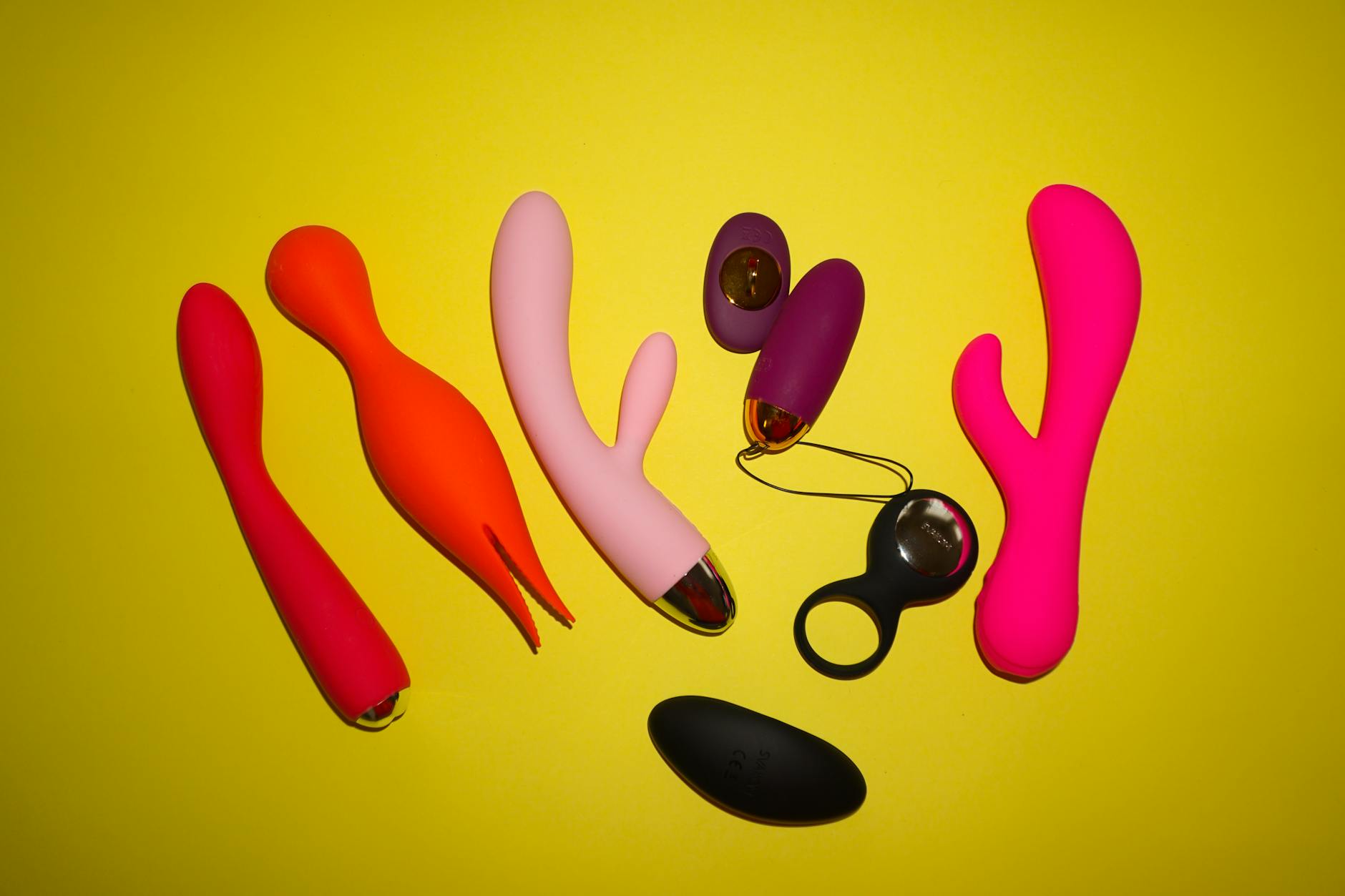
Let's be real about performance pressure
You know that feeling. Your partner is watching. You're wondering if you're taking too long. Is this working? Am I enjoying this enough? Should I be enjoying this more? The commentary in your head gets louder than any pleasure in your body. And suddenly sex becomes less about sensation and more about proving you can do it.
Performance pressure is one of the fastest ways to tank arousal. It doesn't matter how attracted you are to someone, how much you love them, or how ideal the circumstances are. The moment your brain shifts from "what does this feel like" to "what does this look like," pleasure goes quiet.
That's where a clitoral vibrator like the Lem comes in. Not as a fix for anything broken, but as a permission slip to stop performing.
Why performance pressure specifically kills pleasure
There's a reason this happens. Arousal requires what sex researchers call "cognitive space." Your brain needs to be focused on sensation, not surveillance. But performance pressure flips a switch. Instead of your nervous system dropping into parasympathetic mode (the relaxed, receptive state needed for pleasure), you stay stuck in sympathetic activation. You're alert, scanning, evaluating. That's the opposite of what orgasm needs.
For people with vulvas, the difference is especially sharp. Clitoral pleasure is sensitive to distraction. Studies show that when attention diverts away from sensation, arousal literally stalls. It doesn't come roaring back the moment you refocus, either. You have to genuinely relax first.
Partner pressure makes this harder. Even if a partner never says anything critical, the presence of another person's attention creates what I call "observation anxiety." You're not just feeling. You're simultaneously narrating your feelings to an imagined audience.
A clitoral vibrator removes that observer. The Lem, specifically, works differently than a partner's hand or mouth. It's something you control entirely. It has a consistent rhythm. You can adjust intensity without explaining yourself. Most importantly, it doesn't watch you. There's no judgment, no expectation, no sense that it's assessing whether you're "doing" pleasure correctly.
The mechanics of why suction vibrators reduce pressure
Clitoral vibrators come in a few flavors. Wand vibrators buzz at high frequencies. Vibrating eggs and bullets offer broad stimulation. But suction-style vibrators like Hello Nancy's Lem work differently. They use pulsing air pressure to create a sensation more like oral sex than direct vibration.
That matters for performance anxiety because suction feels more passive. You're not "performing" a response to a vibration in the same way you might be hyperaware of moving toward or away from a wand. The sensation comes to you. You receive it rather than manage it.
Second, suction vibrators tend to feel more subtle at entry level. You can start with gentle pulses on the lowest setting. This matters because when you're anxious, your body is already tense. Starting with intense vibration can feel overwhelming and reinforce the sense that something is wrong with you. Gentler stimulation lets your nervous system actually settle instead of spike.
Third, the rhythm of suction is forgiving. If your mind wanders for ten seconds, you can resume without penalty. It's not like partner sex where you have to keep up a performance. The toy keeps going. You can dip in and out of presence without it feeling like failure.
How to use a lemon vibrator specifically to bypass performance pressure
Here's the practical shift.
First, use it solo. Not because partnered sex is bad, but because solo use is where you rebuild the ability to focus on sensation without surveillance. Solo practice is where you retrain your brain that pleasure is something you experience, not something you produce for an audience.
Start with a low setting. Pattern 1 or 2 on the Lem if you have one. The goal is not orgasm on a timeline. The goal is to notice what feels good and what doesn't. Many people with performance anxiety skip this step and go straight to high intensity, which backfires because intensity plus anxiety equals a tense body, which equals no orgasm.
Give yourself 20-30 minutes without a goal. No countdown, no finish line. If it feels good for five minutes and then stops, that's data. It's not failure. It tells you something about your nervous system that session. Pressure makes us want to push harder. Releasing pressure is the opposite move.
Some sessions you'll orgasm easily. Some won't. Both are fine. The win isn't the orgasm. The win is noticing that you can feel pleasure without performing it.
Second, when you're ready to use it with a partner, reframe the conversation beforehand. "I want to use this to help me relax" is very different from "I want to use this because something's wrong." Most partners respond well to honesty about performance anxiety. They want you to feel good. Once they understand that you're not anxious because of them, but because of internal pressure, they usually become allies in creating space for you to feel without being watched.
What changes when performance pressure drops
Honestly though, once you practice solo, the shift to partnered use gets easier. You've already rewritten the script. You've proven to yourself that you can feel pleasure without it being a show. That knowledge carries over.
You'll notice you breathe differently. Shallow breathing is the body's way of staying alert. When performance pressure eases, breathing deepens. That alone signals your nervous system that it's safe to relax.
You'll also notice you become more creative about what you want. Performance anxiety locks you into a narrow version of sex that feels "correct." Once that pressure lifts, you have permission to explore. That might mean using the Lem during partnered sex instead of replacing partner touch. It might mean having the conversation that you need more foreplay. It might mean discovering that what you actually want is totally different from what you thought you should want.
Most importantly, pleasure comes back. Not performative pleasure or obligatory pleasure, but actual, embodied, surprising pleasure. That's worth protecting.
Recognizing when pressure is someone else's problem
One thing worth checking: sometimes performance pressure isn't internal. Sometimes it's coming from a partner's expectations or criticism. If your partner is pushing for faster orgasms, questioning your desire, or making you feel rushed, that's not something a vibrator solves. That's a relationship conversation that needs to happen first.
A clitoral vibrator can help you rebuild your own pleasure when you've lost touch with it because of your own anxiety. It can't fix a dynamic where a partner is actively creating pressure. That's a different conversation entirely, one you might want to explore with a therapist or relationship coach.
Why the Lem specifically helps with this
If you're looking at options, the reason the Lem works well for performance anxiety is texture. The suction sensation feels distinctly different from fingers or other toys. It's novel enough to break the familiar narrative that usually includes self-criticism. Novelty itself can be therapeutic because it forces you to pay attention instead of running on autopilot and judgment.
Its intensity range also matters. You can start gentle and build up over weeks or months. You're not committed to high sensation on day one. That pacing helps your nervous system trust that pleasure doesn't have to be a big dramatic thing.
A note on self-compassion while you're rebuilding
Performance anxiety often comes packaged with shame. "I should be able to relax. I should be able to come faster. I should want more. I should enjoy this more." That voice is loud and critical and usually completely unhelpful.
One of the things I tell clients is that rebuilding pleasure after performance anxiety is genuinely rewarding, but it's not quick. It took time to create the pressure. It takes time to release it. Solo practice with a vibrator is low-stakes training for your nervous system. You're not fixing something broken. You're learning a skill that's been interrupted. That's different.
Take your time. Notice small things. Notice a moment where you forgot to be self-conscious. Notice when your breathing deepened. Notice when pleasure surprised you. Those moments matter more than any orgasm.
People also ask
Can using a vibrator make performance pressure worse?
Yes, if you use it with the same pressure you bring to partnered sex. If you set a goal of "orgasm by pattern 3" or keep checking if it's working, you've just moved the pressure from a partner to a toy. That defeats the purpose. The key is genuine goal-lessness. The vibrator is a tool for presence, not a performance optimizer.
Should I tell my partner I'm using a vibrator because of performance anxiety?
That depends on your relationship. If you're using it solo to rebuild your own pleasure, that's private. If you want to eventually use it with them, honesty helps. You don't need to say "I have anxiety." You can say "I want to find what feels best to me so I can bring that into our sex." Most partners respond well to that framing.
How long does it take to feel less performance pressure?
It varies, but most people notice a shift in 3-4 weeks of regular solo practice. Your nervous system needs time to learn that pleasure without performance is actually accessible to you. Some people shift faster. Some take longer. Consistency matters more than intensity.
Can I use a lemon clitoral vibrator with a partner right away, or should I practice solo first?
Solo first is the faster route to releasing performance pressure. Solo practice builds the neural pathways for pleasure without surveillance. Once you have that foundation, partnered use becomes easier because you already know what you feel like when you're relaxed. You're not discovering and performing simultaneously.
What if the vibrator doesn't feel good?
That's actually useful information, not failure. It might mean the stimulation level is too high, or your nervous system is still too activated. Try backing off intensity. It might also mean you need more time to relax. Some people benefit from starting with a solo vibrator session and waiting 24 hours before trying again. Your body has wisdom. Listen to it.
How do I know if my performance pressure is about internal anxiety or about my partner's expectations?
Ask yourself: if I were alone right now with this same body, would I still feel this pressure? If the answer is yes, it's internal. If the answer is no, your partner is part of the dynamic. Both are fixable, but they need different solutions. Internal pressure shifts with practice and self-compassion. Partner pressure shifts with communication and sometimes boundaries.
The bottom line
Performance anxiety is real, and it kills arousal faster than almost anything else. A clitoral vibrator doesn't magically dissolve that pressure, but it gives you a safe, private space to prove to your nervous system that pleasure is accessible without performance. That foundation changes everything. Once you know what you feel like when you're actually relaxed, you can bring that presence into partnered sex. You stop performing and you start actually being there.
That's when sex gets good. Not when you're doing it right. When you're feeling what's real.