The mismatch nobody talks about
Here's what I hear in my office weekly: one partner wants sex twice a week. The other wants it twice a month. Nobody's broken. Nobody's unfaithful. They just have different baseline desires, and both feel guilty about it. The higher-desire partner feels rejected. The lower-desire partner feels pressured. A lemon vibrator doesn't fix the mismatch, but it can reframe the whole problem.
Why libido mismatch creates resentment
When desire levels don't align, sex becomes a negotiation instead of a connection. The higher-desire partner ends up managing their own pleasure separately (which they feel weird about). The lower-desire partner feels obligated to perform on someone else's schedule (which builds resentment). Neither person gets what they actually want.
The research is clear: couples with significant libido gaps report lower relationship satisfaction, not because the gap exists, but because they treat it as something to fix rather than something to navigate. The moment you stop trying to make both people want sex at the same frequency, everything shifts.
What a lemon vibrator actually solves here
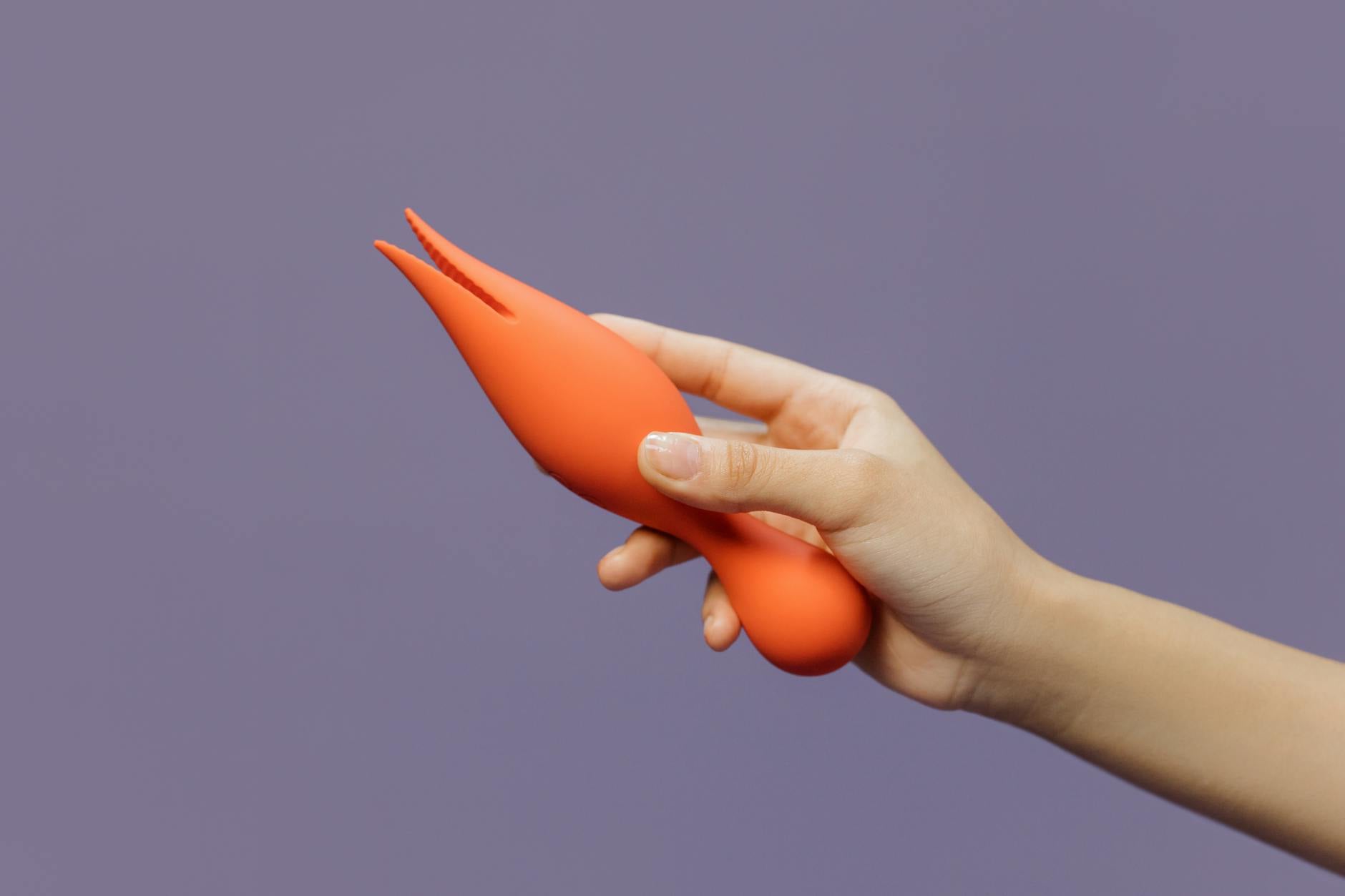
A lemon clitoral vibrator like the Lemon removes the pressure to perform in sync. If you're the lower-desire partner, you can experience pleasure on your own timeline without feeling like you're disappointing anyone. If you're the higher-desire partner, you have a reliable path to satisfaction that doesn't depend on your partner's availability.
But here's the counterintuitive part: using a lemon vibrator together, even when one person's arousal is lower, actually builds intimacy. Why? Because you're no longer fighting about who wants what. You're collaborating on pleasure as a practical reality instead of an emotional problem.
The lemon suction design is particularly useful for this dynamic because it's intensely pleasurable but doesn't require a partner's physical participation. You can experience profound orgasms while your partner is simply present, watching, or even just in the room. That presence matters more than synchronized desire ever will.
The practical setup for couples with different libidos
Start by separating sex from obligation. Set a rhythm that works for partnered intimacy if you want it (weekly, biweekly, whatever feels genuinely good to both people, not what you think you "should" do). Outside that rhythm, the higher-desire partner gets to explore solo pleasure without explanation or guilt.
When you do come together, the lower-desire partner gets to decide their level of participation. Maybe they watch while you use your lemon vibrator. Maybe they're on their phone scrolling. Maybe they're actively engaging. None of those options are wrong. The point is removing the pressure to reach a specific arousal level on someone else's timeline.
For the higher-desire partner, this is freedom. You're not waiting for arousal that may never come. You're not taking it personally when your partner isn't interested. For the lower-desire partner, this is relief. Nobody's counting how often you say yes. Nobody's keeping score.
How to introduce a lemon vibrator without it becoming awkward
Don't frame it as a solution to the problem. Frame it as a tool for pleasure, period. "I want to try this," is the whole conversation. Not, "I got this because you don't want sex enough," or "This will help us match up." Just: I'm curious about this. I want to experience it. You're welcome to be part of that.
If your partner feels threatened by the vibrator, that's worth exploring in a calm moment, not during sex. Sometimes the fear is that they'll be "replaced." Sometimes it's that they feel excluded from your pleasure. Sometimes it's just unfamiliarity. But those conversations happen better over tea than in the bedroom.
When you do use your lemon vibrator together, start simple. Maybe you're both undressed, touching each other, and you introduce the vibrator as an extension of what's already happening. You're not switching to it because your partner isn't enough. You're adding it because your body responds to it in a specific way. That's it.
The higher-desire partner's permission slip
If you're the one who wants sex more often, you need to hear this explicitly: your solo pleasure matters. Using a lemon clitoral vibrator by yourself isn't a backup plan. It's not cheating. It's not a failure of your relationship. It's a basic human need being met in a way that works for your body and your timeline.
You don't need your partner's permission to masturbate. You don't need them to understand it or participate in it. If you're in a healthy relationship, your partner can absolutely accept that you have solo pleasure practices alongside partnered sex. Those are different things. They serve different purposes. Both are legitimate.
Many couples find that when the higher-desire partner stops waiting for the lower-desire partner to magically want sex more, the whole dynamic loosens up. There's less resentment, less pressure, less keeping track. Paradoxically, that often leads to more actual partnered sex because it's not weighed down by obligation.
The lower-desire partner's reframe
If you're the one with lower desire, you're probably carrying guilt that isn't yours to carry. You're not broken. You're not rejecting your partner as a person. You simply have a different baseline, and that's genuinely fine. The goal isn't to increase your desire to match theirs. The goal is to stop making your partner's higher desire your responsibility.
You get to say no. You get to say not tonight, not this week, not interested right now. And that's a complete sentence. You don't need to offer alternatives or explain or apologize. "I'm not interested in sex right now," is enough.
Where a lemon vibrator sometimes helps the lower-desire partner is in removing the pressure to "perform." When you're using a vibrator, your only job is to experience what feels good. There's no pressure to move a certain way, to reach a certain level of arousal, to orgasm on schedule. Many people with lower baseline desire find that self-directed pleasure is actually more accessible than partner-dependent pleasure.
Making pleasure separate from performance
This is the real shift. Most couples with libido mismatches are stuck in a framework where sex equals a joint performance. You either both want it at the same time, or one person is "giving it" to the other, or it doesn't happen at all. That framework is where all the resentment lives.
When you introduce something like a lemon sucker, you're saying: my pleasure can exist independently of yours. Your pleasure can exist independently of mine. We can overlap when it works. We can also be separate. Both are valid.
For the higher-desire partner, that means orgasms happen whether your partner is in the mood or not. You're not rationing your pleasure waiting for alignment. For the lower-desire partner, it means you're not obligated to perform arousal you don't feel. You're free to be present or absent based on what you actually want.
When to consider talking to someone
If the libido mismatch is causing serious resentment, or if the lower-desire partner suspects something medical is happening (depression, hormonal changes, side effects from medications), that's worth exploring with a professional. But most simple libido mismatches aren't problems to solve. They're realities to accept and work with.
A therapist who specializes in couples dynamics can help you have the conversations that are actually hard: what does sex mean to each of you? What fears come up around desire? Is the mismatch creating distance in other areas? Those questions matter more than trying to synchronize arousal.
If you're considering working with a couples counselor, make sure they understand that mismatched libidos are normal and not a relationship failure. A good therapist helps you build systems and permission rather than trying to manufacture desire where it doesn't exist.
The long game
Libido changes across a lifetime. You might be high-desire now and lower-desire in five years. Your partner might experience shifts tied to stress, health, hormones, life stage. This isn't a permanent problem to solve once. It's an ongoing rhythm to navigate.
The couples who handle this best aren't the ones with perfectly matched desire. They're the ones who stopped treating mismatch as a failure and started treating it as a logistical reality. We have different needs. We respect that. We find tools and systems that work. A lemon vibrator, communication, boundaries, and self-compassion are the toolkit.
Your pleasure matters. Your partner's pleasure matters. Both matter separately and independently. A lemon clitoral vibrator is just permission to act on that truth.
People also ask
Is using a vibrator alone while in a relationship cheating?
No. Masturbation and partnered sex are different experiences serving different purposes. Using a lemon vibrator solo is self-care, not infidelity. In healthy relationships, partners respect each other's solo pleasure practices. If your partner feels threatened by your vibrator, that's worth a conversation about what's actually bothering them. Usually it's not the vibrator itself. It's fear, insecurity, or misunderstanding about what solo pleasure means.
How do I bring up using a lemon vibrator if my partner is uncomfortable with the idea?
Start outside the bedroom. Say something like: "I've been thinking about trying a vibrator, and I wanted to let you know." You're not asking permission. You're offering information. Then listen to what comes up for them without defending. Often the discomfort is about feeling left out or feared replacement. You can reassure them that this is about your own pleasure, not about them. If they remain uncomfortable, you get to decide your boundaries. You can use it solo, or you can decide it's not worth the conflict. But your basic right to explore your own body shouldn't require your partner's approval.
Can using a vibrator together help if we have mismatched libidos?
It can help with pleasure and novelty, but it's not a fix for the underlying mismatch. What it does offer is a way to share an experience without pressure. One partner uses the lemon vibrator while the other is present. You're not trying to synchronize arousal. You're just together, experiencing pleasure in different ways. Many couples find that removes enough pressure that they're actually closer.
What if my lower-desire partner is avoiding sex because of relationship issues?
That's different from simple libido mismatch and worth exploring directly. Sometimes lower desire is a symptom of distance, resentment, or deeper relationship problems. A vibrator won't help if the real issue is emotional disconnection. You'd benefit more from couples therapy or honest conversations about what's shifted in your relationship.
Is it normal to have completely different libidos?
Completely normal. Research suggests significant libido gaps exist in roughly 30-40% of couples. You're not broken or unusual. What matters is how you handle it. Couples who treat it as a shared challenge rather than a personal failure tend to have better outcomes, both sexually and relationally.
How often should we have partnered sex if our libidos don't match?
There's no magic number. What matters is that both people feel genuinely consensual, not obligated or deprived. Some couples do weekly. Some do monthly. Some do a mix of partnered sex and solo pleasure. The right frequency is whatever you both actually want, not what you think you should want. Start there and adjust as life changes.