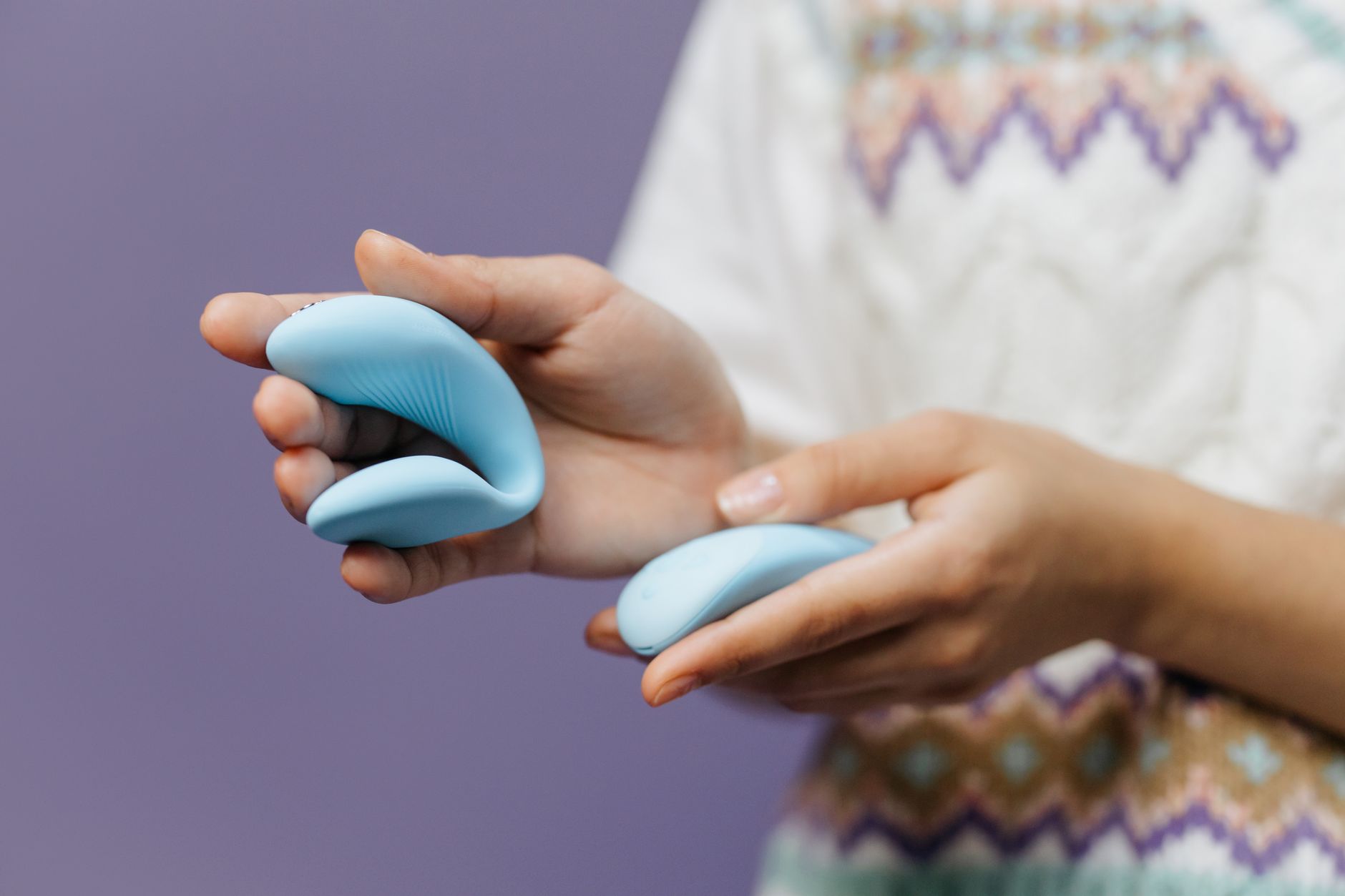
How to Use a Lemon Vibrator When Medications Dull Sensation
Let's be real: the medications that keep you alive, sane, or regulated often come with a trade-off nobody warns you about. SSRIs flatten your ability to orgasm. Blood pressure meds kill arousal. Antihistamines dry you out. Opioids numb everything. And nobody tells you that numbness is fixable.
I've worked with hundreds of people for whom pleasure felt like watching a movie through frosted glass. The wanting was there. The person across from them (or their own hand) was there. But the sensation? Muted. For years, many assumed they'd broken something permanent. They hadn't. They just needed a tool that worked differently.
This is where lemon vibrators come in. The clitoral suction technology behind devices like the Lem works on a fundamentally different principle than traditional vibrators. Instead of relying on direct friction or buzzing sensation, suction creates a gentle pulse-and-release rhythm that stimulates nerve tissue without needing you to feel a strong vibration. For people on numbing medications, that distinction is the difference between stuck and free.
How medications actually dull sensation
Most people blame "lower libido" when the real problem is neurological. SSRIs (Zoloft, Lexapro, Paxil) dull the sensory neurons responsible for feeling pleasure. Blood pressure medications constrict blood vessels, reducing engorgement and genital sensation. Antihistamines dry out tissue. The list goes on: opioids, anticonvulsants, even some diabetes meds.
The issue isn't that you've lost your capacity for orgasm. Your body's pleasure hardware is intact. What's dulled is the signal itself. It's like turning down the volume on your entire nervous system. Traditional vibrators rely on that signal being loud enough to register. They buzz faster and faster, expecting you to feel something obvious. If the signal is quiet to begin with, buzzing louder doesn't help.
Clitoral suction technology bypasses that problem by creating sensation through pressure and pulse rather than vibration alone. You're not waiting for a buzz to penetrate numbness. You're inviting your tissue to respond to a rhythmic pattern it can feel even when everything else feels muted.
Why suction works when numbness is the problem
Think about suction as a different language your body can still understand. When you use a lemon vibrator like the Lem, the device creates a gentle vacuum around your clitoris. That vacuum pulls tissue upward into the cup and releases it in a pulsing rhythm. You feel pressure and movement, not just vibration.
Here's the practical difference: a traditional vibrator asks your dulled nerve endings to feel a buzzing motion at a particular frequency. If your medication has lowered your sensitivity threshold, you might not feel it at all, or only feel it as a vague, distant sensation.
A lemon clitoral vibrator asks your tissue to respond to suction and pulse. That's a mechanical sensation your body registers even when fine-touch sensation is compromised. Pressure registers differently than vibration. Your proprioceptive nerves still work. Your pressure receptors still work. Suction engages both.

Photo by cottonbro studio on Pexels
The medication categories that most affect sensation
Not all medications numb equally. Knowing which ones you're on helps you understand what you're working with.
SSRIs (Selective Serotonin Reuptake Inhibitors): Zoloft, Lexapro, Paxil, Prozac, Celexa. These are some of the biggest culprits. They flatten sensation across the board. If you're on an SSRI, suction-based stimulation often works better than traditional vibration because it doesn't rely on feeling a strong buzz.
Serotonin-Norepinephrine Reuptake Inhibitors (SNRIs): Effexor, Cymbalta, Pristiq. Similar to SSRIs. Same general numbness pattern. Same potential for suction to help.
Blood Pressure and Cardiac Medications: ACE inhibitors, beta-blockers, calcium channel blockers. These reduce blood flow to genital tissue, which means less engorgement and reduced sensation. A lemon vibrator's suction effect actually works well here because it increases local blood flow through mechanical action.
Antihistamines: Both prescription (like hydroxyzine) and over-the-counter options dry out mucous membranes, including vaginal tissue. Drier tissue is less sensitive. Suction is gentler on dry tissue than direct vibration.
Opioids: Any pain medication in this class. Opioids systemically dull sensation. For people on chronic opioid therapy, a gentle, low-intensity lemon clitoral vibrator often works better than aggressive traditional vibrators.
Other medications: Some anticonvulsants, certain diabetes meds, some antipsychotics. Ask your doctor specifically whether your medication list includes known sexual side effects.
How to start with a lemon vibrator on numbing meds
The key difference from standard advice is patience. You're not trying to force sensation. You're inviting it back.
Start at intensity one or two. The lowest settings on a lemon vibrator like the Lem are genuinely gentle. Begin here, not because you're "easing in" but because your nervous system needs time to recognize that sensation is available. Some people find that spending five to ten minutes at very low intensity actually wakes up nerve endings that have been quiet.
Use a water-based lubricant always. If you're on antihistamines or blood pressure meds, your natural lubrication might be reduced. A good water-based lube creates a better seal for suction and reduces friction on potentially sensitive tissue. This alone often makes sensation more apparent.
Focus on the suction, not the speed. With traditional vibrators, people often chase intensity. With a lemon sucker, the intensity of the suction pulse matters more than speed. Spend time noticing what the suction feels like before thinking about turning it up. Are you feeling pressure? Gentle tugging? A rhythmic pulse? That's all working.
Warm up first. Numbness on meds often means your body takes longer to engage. Spend 15 to 20 minutes with your partner (or solo, with your own touch) warming up before introducing the lemon vibrator. Let blood flow increase naturally. Then introduce the device.
Track what actually works for you. Not every medication dulls sensation the same way. Not every person responds to suction in the same way. Keep a simple note: which intensity setting, for how long, and what did you feel? Over time, patterns emerge. You learn your own threshold.
When to talk to your prescriber
Sometimes the medication causing numbness can be swapped for something similar that has fewer sexual side effects. Not always, but sometimes. If you're on an SSRI that's flattening sensation, a doctor who specializes in this (ask for a referral to sexual medicine or a sex therapist with medical knowledge) might suggest a different SSRI, an SNRI, or a different class of antidepressant entirely.
For blood pressure meds, some classes preserve sensation better than others. For opioids, there might be alternatives worth discussing. The point: don't assume you're stuck with the numbness just because you're stuck with the medication.
Bring this up at your next appointment in practical terms. "My medication has affected my sensation. I'm exploring tools to help, like a lemon clitoral vibrator. Are there any medication adjustments worth discussing?" Most doctors appreciate specificity and aren't going to judge you for trying a device.
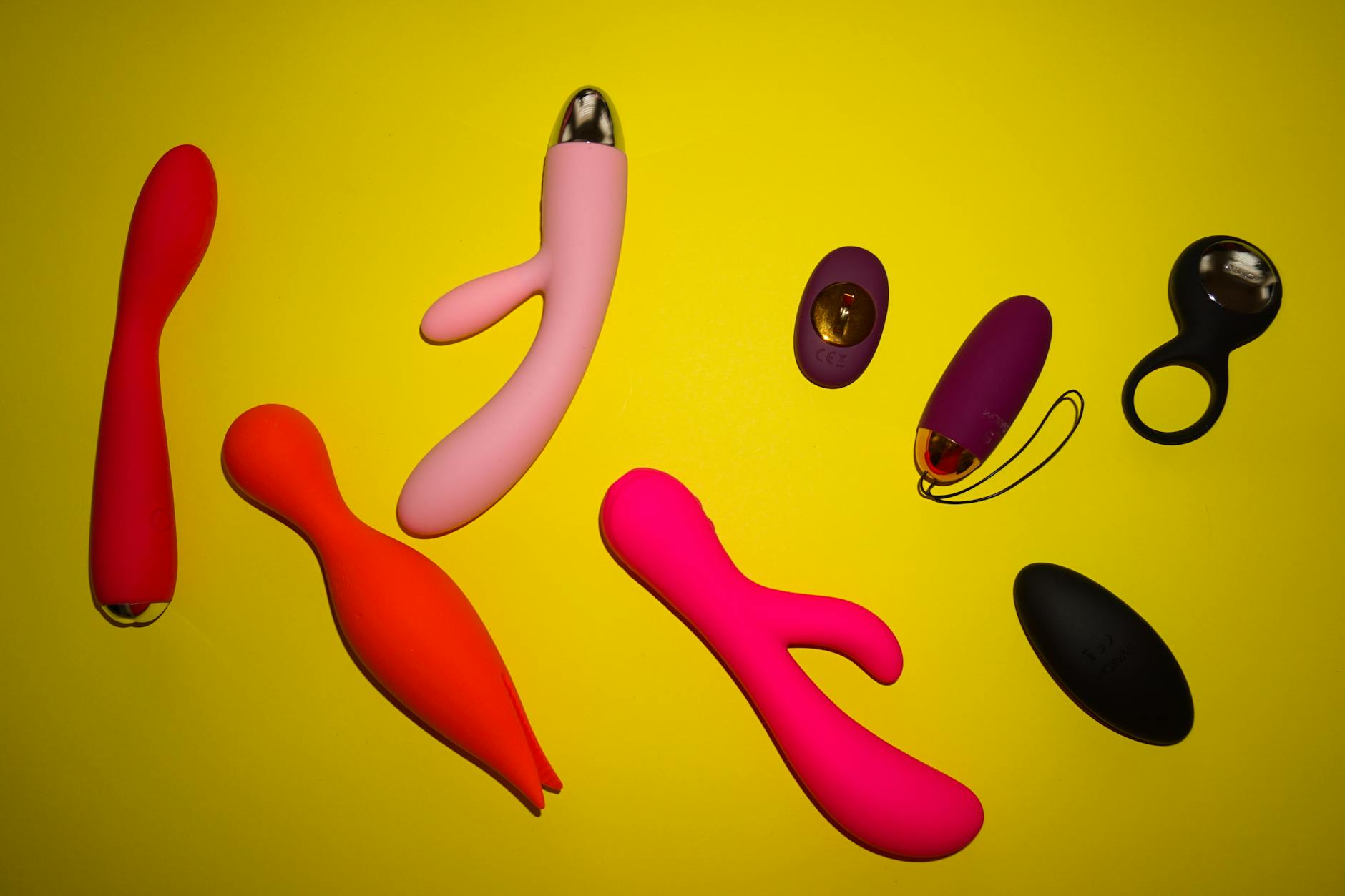
Photo by DRT.fm on Pexels
Combining a lemon vibrator with other pleasure practices
Suction technology works best when it's part of a bigger picture, not a Band-Aid. Here are three things that genuinely help.
Mindfulness or guided attention. When sensation is dulled, your brain can check out. Bring your attention back intentionally. Where do you feel the suction? What happens to that sensation over 30 seconds? This sounds woo, but it's neuroscience. Attention literally changes how your nervous system processes sensation.
Movement and positioning. Some people find that sensation returns more easily when they're active. Try using your lemon vibrator at different angles, or while moving your hips, or while lying on your back versus on your side. The mechanical stimulation plus movement sometimes wakes things up faster than static use.
Communication with your partner (if you have one). If you're exploring suction technology with a partner, let them know what's happening. "My medication has dulled sensation, but this device helps me feel more." That context transforms the experience from "why isn't this working" to "we're solving this together." It also sets realistic expectations. You might need 20 minutes instead of five. You might not orgasm the first time. That's not failure.
The long-term reality
Medication-related numbness is not permanent once you understand the mechanism. People do get sensation back. Sometimes it's through medication adjustment. Sometimes it's through tools like lemon vibrators that work differently than traditional toys. Sometimes it's a combination.
What matters is knowing you have options. Numbness on SSRIs or blood pressure meds or antihistamines doesn't mean your pleasure is gone. It means you need a different approach. Clitoral suction technology, via devices like the Lem, is one approach that works for many people. Give it time, start low, and notice what your body is actually capable of feeling. Often, it's more than you think.
People also ask
Can a lemon vibrator help if I'm on multiple medications?
Yes, but with a caveat. If you're on multiple meds that all affect sensation (say, an SSRI and a blood pressure medication), the numbness can be more pronounced. The good news is that suction-based stimulation often helps regardless. Start even lower than you'd start otherwise, and give yourself more warm-up time. Your body will tell you what works.
How long does it take to feel sensation return when using a lemon clitoral vibrator?
This varies wildly. Some people feel something shift in the first session. Others need four or five sessions before sensation registers clearly. Don't expect an immediate transformation. Think of it as retraining your nervous system to recognize pleasure as available. That takes repetition.
Is it normal to need the suction intensity higher than I expected?
Completely normal. Your dulled sensation means you're not going to feel a whisper. Starting at intensity one or two is still the right call because you're teaching your body that sensation exists. But you might find that your comfort zone is at intensity three or four. That's not broken. That's just how your body currently responds to medication-related numbness.
Can I use a lemon vibrator if I'm also on antihistamines for allergies?
Yes. Antihistamines dry out mucous membrane tissue, which can make direct vibration feel irritating. A lemon sucker like the Lem works well here because the suction and pulsing rhythm are gentler on dry tissue. Use water-based lube. You'll likely be fine.
What if I use a lemon vibrator but still don't feel much?
First, give it time. Second, check your warm-up. Third, consider whether your medication dose might be adjusted. Some people find that a slightly lower dose preserves the therapeutic benefit while reducing sexual side effects. Talk to your prescriber. And finally, some people do need to explore other options. A lemon clitoral vibrator works for most, but not everyone. If it's not working after six or seven genuine attempts, your doctor or a sex therapist can help you troubleshoot next steps.
Can I combine a lemon vibrator with a partner if medications have dulled my sensation?
Absolutely. In fact, partnership can help. A partner using the device on you removes the performance pressure of "making it work." They can experiment with angles and intensity while you focus purely on sensation. Having someone say, "Tell me what you feel" can also help your brain stay engaged instead of checking out.
If you're navigating medication side effects and wondering whether pleasure is still possible for you, it is. You might just need to approach it differently than you expected. A lemon clitoral vibrator, designed around suction rather than traditional vibration, often becomes that key. Start low, stay patient, and pay attention to what your body can actually feel. Your pleasure hasn't gone anywhere. You're just finding a new language for it.
Ready to explore what works for your body? Start with your own curiosity. If you have questions about what might be right for you, reach out.