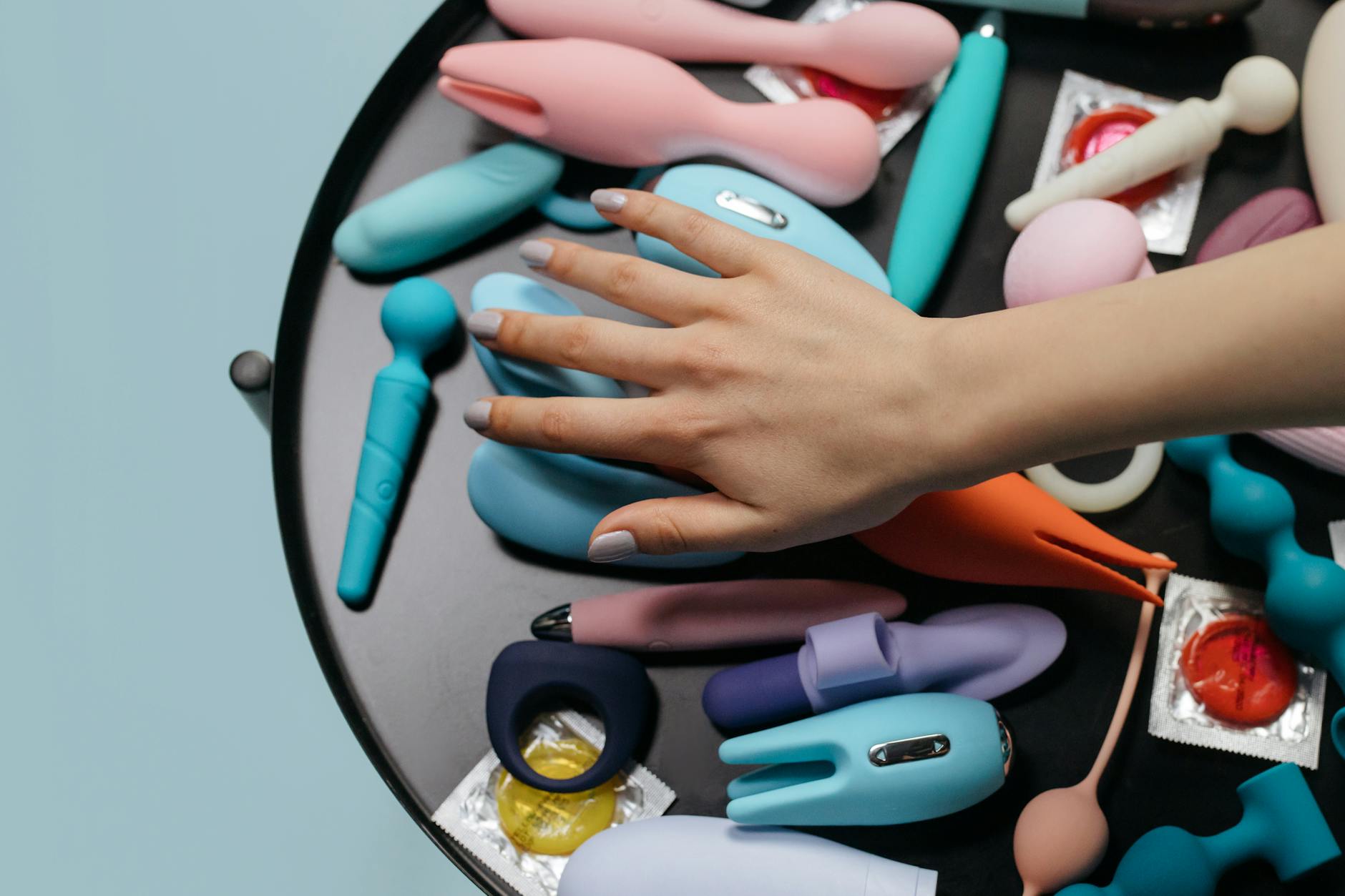
Here's what nobody tells you about using a lemon vibrator as a couple
Most guides treat vibrators as solo tools. But honestly, some of the most connected moments happen when you're using one together. The catch is that it's genuinely different from using it alone, and different from typical partnered sex. You need different positioning, different communication, and realistic expectations about timing.
I've worked with countless couples who bring a lemon clitoral vibrator into their intimate life, and the ones who thrive are usually the ones who treat it as its own thing. Not a fix for mismatch. Not a substitute. Just another way to build sensation together.
Why couples actually benefit from lemon vibrators
Let's start with the obvious: people with vulvas often need sustained, direct clitoral stimulation to orgasm during partnered sex. A lemon vibrator is that. But there's something else happening when you're both involved.
When your partner is holding the vibrator or watching you use it, the psychological component shifts. You're not hiding your pleasure or pretending. You're showing exactly what works for you, and your partner is literally holding the tool that makes you feel good. That's not a small thing in a long-term relationship. It's information, permission, and intimacy all at once.
Second, it actually lets your partner participate in your pleasure in a direct way. Penetrative sex is mostly about the receiving partner's body. A lemon vibrator is different. Your partner can control the intensity, placement, rhythm. That's active collaboration.
The positioning question everyone avoids
Here's the thing: you can't use a lemon vibrator and also have penetrative sex comfortably. The vibrator covers the external clitoris, and anatomy doesn't allow both at once. This trips up a lot of couples because they think the vibrator should enhance traditional intercourse.
It doesn't. It replaces that part of the experience.
What works instead is this: your partner is inside you, and you (or they) use the lemon vibrator on your clitoris while they move. The rhythm becomes less about deep thrusting and more about gentle movement combined with external stimulation. If your partner is taller or the angle is awkward, you can take the vibrator yourself while they stay relatively still. That usually feels best.
Another solid option is side-by-side positioning. You're lying on your side facing each other, they're inside you, and there's space for the vibrator without either of you contorting. You can actually see each other, which changes everything emotionally.
If penetration isn't part of the picture for you, your partner can use the lemon vibrator on you while you're together in any position. Sitting, lying down, facing each other, from behind. The vibrator becomes the main event, not the accessory.
Communication before, during, and after
This is where most couples either sink or swim. If you've never talked about your body's response to vibration, starting mid-sex isn't the time.
Before you try it together, tell your partner specifically what you like. Not "use the vibrator," but "I like starting at pattern three and moving up if it feels right" or "lighter pressure on the sides rather than dead center" or "I need you to stay still because movement + vibration feels too intense." These details matter.
During sex, guides often say "communicate constantly," which sounds great and is impossible. Instead, agree on a simple feedback system. A squeeze means it's working. A direction (up, slower, harder) means adjust. Silence means keep going. You don't need to narrate everything. Just have a shorthand.
After, check in. Some people get sensitive. Some feel a rush of emotion. Some feel nothing special and that's fine. None of those responses mean anything went wrong.
The pleasure timing mismatch
Here's the practical problem: with a lemon vibrator, it takes time. Real time. Most people need 8 to 15 minutes of consistent stimulation to reach orgasm with external vibration. That's not foreplay. That's most of the experience.
Some partners get bored. Some feel like they're on pause. This is where you need to reframe what's happening. Your partner isn't just watching. They can be touching you elsewhere, kissing your neck, talking, moving gently inside you if you're in a position that allows it. The vibrator is the star, but they're not standing on the sidelines.
If your partner also has a vulva, you can trade off. You use the lemon vibrator on them while you get close, then switch. It actually redistributes the time pressure and creates a rhythm of mutual focus.
If your partner gets frustrated with the timing, that's information. It might mean you need to explore rhythm separately. That's what works for many couples: solo time with the vibrator to learn exactly what your body needs, then partnered time knowing what you're going for.
What intensity levels actually work
When you're partnered, you usually want lower patterns than when you're alone. The mental arousal component is different. You've got the texture of your partner's body, their attention, emotional closeness. You don't need the vibrator cranked to maximum.
Start at pattern 1 or 2. It feels soft, almost gentle. It builds sensation instead of overwhelming it. Many people climax on low patterns when their partner is involved.
High patterns work best for solo play or when you need to overcome numbness from medication, tension, or distraction. In couple space, they often feel jarring rather than connecting.
The psychology piece your partner might not understand
Some partners feel replaced by the vibrator. "If you need that, what does that say about me?" It's a legitimate thing to feel, and it's worth addressing directly.
Here's the reframe: your body's response to clitoral stimulation isn't about them. It's neurology. A lemon vibrator isn't criticism of your partner. It's information about your nervous system. You can want them deeply and still need external stimulation. Those aren't opposing forces.
That said, some partners also find it genuinely hot. They like watching, participating, having that intimacy. Different people, different reactions. But they all have one thing in common: they feel included. That's the difference between "here's a thing I use alone" and "here's something we explore together."
Real logistics: cleanup and comfort
Lemon vibrators are typically silicone, which means water-based lubricant only. If you're using one together internally, you'll need lube. Thicker lubes feel richer when partnered. Apply it to both your body and the vibrator.
If sensitivity kicks in after (which is normal), you might want a cool washcloth or just a few minutes before any more stimulation. Some people's clitoris gets tender after 15 minutes of vibration. That's fine. Plan for rest.
Keep the vibrator clean. Wash it with warm water and mild soap after, especially if it's been inside the body.
FAQ: The questions couples actually ask
Can we use a lemon vibrator if my partner finishes quickly?
Absolutely. In fact, this is one of the best uses. If your partner orgasms fast, the vibrator gives them something to focus on during your pleasure. They can use it on you while they recover, stay involved, and you get to finish without pressure. It actually solves the mismatch rather than creating more friction.
How do I introduce it without seeming like I'm rejecting their touch?
Don't surprise them mid-sex. Talk about it beforehand, preferably outside the bedroom. "I've been thinking about trying a lemon vibrator together. Not because anything's wrong, but because I want to explore what that feels like with you." Reframe it as expansion, not replacement.
Is it weird if my partner doesn't want to hold it?
Not at all. Some partners prefer you hold it while they focus on other touch. Some partners find it turns them on to watch but not to actively control. Some just want to be inside you while it happens. There's no one way. Ask, then adjust.
Can two people use the lemon vibrator at the same time?
Yes, but you have to think about placement. If you both have vulvas, you're probably not sharing the same clitoris, so most lemon vibrators are designed for one person at a time. You could use it on one person, then switch. You could each use your own lemon vibrator simultaneously. There's no rule.
What if I orgasm and my partner doesn't?
Welcome to normal. People's bodies don't synchronize. Your partner can keep moving inside you while you finish, or pull out and use the vibrator on themselves while you recover. There's no deadline. Sex doesn't end when one person orgasms unless you both decide it does.
Is this normal to want?
Yes. Wanting to explore sensation together, wanting external stimulation during partnered sex, wanting to see and share your partner's pleasure. These are deeply normal desires. You're not weird. You're human.
The actual difference it can make
Couples who use lemon vibrators together often report feeling more connected, more honest about pleasure, less performance pressure. You get to see what actually turns on your partner. You get to participate in their orgasm. You get to practice asking for what you need.
That stuff compounds over years. It's not about the vibrator. It's about what using it teaches you both about communication, pleasure, and partnership.
If you're thinking about it, start with a conversation. Then start small. Pattern one. Low pressure. More focus on the connection than the outcome. Most couples figure it out from there.