Let's start with the mismatch that nobody talks about
One of you lights up at the thought of strong vibration. The other feels overwhelmed by anything beyond a gentle pulse. One of you needs intensity to get there. The other needs restraint. This is one of the most common unspoken tensions in relationships, and it rarely gets the honest conversation it deserves.
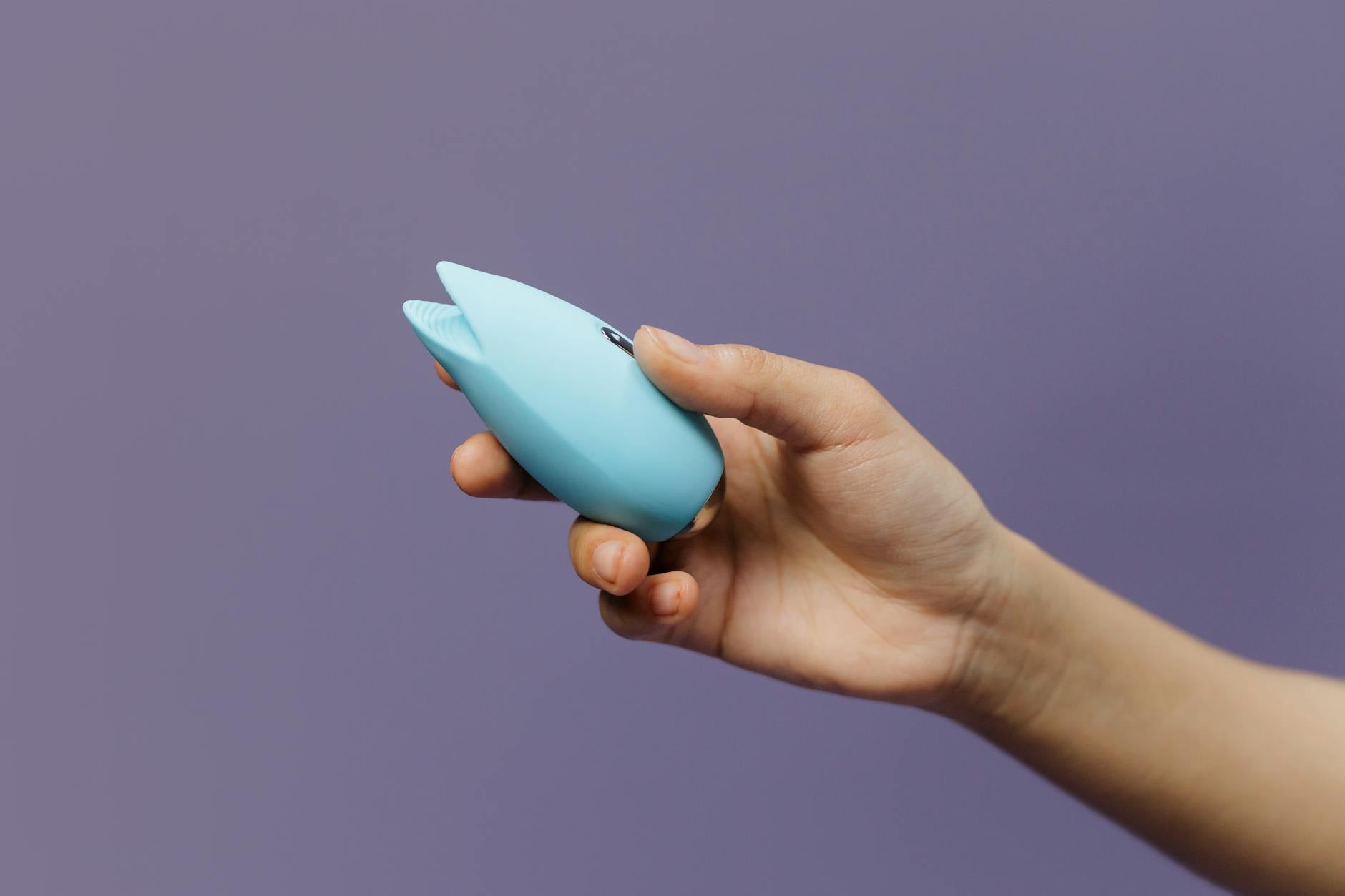
Here's the thing: it's not about compatibility. It's about strategy. Lemon clitoral vibrators, especially models like the Lem, are uniquely designed to work across a wide range of sensation preferences because of how suction technology operates differently than traditional vibration.
Why sensation preferences clash (and what's actually happening)
Your nervous system sensitivity isn't a character trait. It's wired into your body. Some people have a naturally higher threshold for vibration. Others have more sensitive nerve endings in the clitoris. This isn't better or worse. It just means you're literally experiencing different things when you both use the same toy at the same setting.
Here's the neurology: when someone says "that's too intense," they're not being difficult. Their nerves are firing faster and more aggressively. Turning down the setting isn't a compromise. It's an actual difference in stimulus strength.
The problem with most vibrators is that you have about four intensity levels, and the gap between level 3 and level 4 can feel enormous for a sensitive partner. A lemon suction vibrator works differently because suction stimulates through pressure and rhythm rather than direct vibration. This means the whole sensation profile changes, even at higher settings.
How suction works for mismatched preferences
Traditional vibrators rely on speed. More speed equals more intensity for everyone. A lemon clitoral vibrator uses air-pulse suction, which means the sensation is driven by rhythm and cup pressure, not just frequency.
This matters because a sensitive partner can experience suction at setting 2 and feel something completely different than vibration at setting 2. The sensation is more concentrated, less "buzzy." Some people who find vibration overwhelming find suction almost meditative.
Mean: your partner might try the Lem at pattern 1 and feel genuinely comfortable. You might jump to pattern 3 or 4. You're not using different toys. You're using the same toy in the way it was designed to be used, which is with flexibility built in.
The setup that actually works
Start with separate exploration before partner play. Ask your partner to use the lemon vibrator alone and find their baseline setting. Not the "maximum I can tolerate." The setting where they feel pleasure without feeling like they're bracing for impact.
Do the same for yourself. You need to know your preferred intensity independent of managing their comfort. This isn't selfish. This is honest.
Then, when you play together, you're not negotiating on the fly. You both know where you land. The conversation shifts from "is this okay?" to "let's do mine first, then yours."
Alternatively, if you want simultaneous pleasure, one of you uses the Lem and the other uses a toy that matches your preference. This sounds like a cop-out, but it's actually liberation. You stop performing compromise and start building genuine pleasure for both of you.
Using the Lem across the intensity spectrum
The Lem's patterns and intensity levels offer real flexibility for couples with different thresholds. Here's how to navigate them:
Patterns 1 and 2 are where sensitive partners often land. Gentle rhythmic pulses that build arousal without overwhelming. These patterns work best with direct clitoral contact or hovering just above the clitoris.
Pattern 3 is the middle ground. Slightly faster rhythm, still manageable for most people. This is where some couples meet and both feel something good.
Patterns 4 and 5 move into higher frequency territory. Your partner with higher sensitivity thresholds might prefer these. The rhythm becomes more sustained.
The key: don't force anyone to use a higher pattern. If your partner's pleasure lives at pattern 2, that's their lane. Your pleasure can exist at pattern 4 or 5. You're not using the same setting. You're using the same toy in the way that works for each of you.
The emotional layer beneath the physical one
Here's what trips couples up: sensation preferences often get tangled with shame. The person who needs intensity worries they're "too much." The person who prefers gentleness worries they're "not enough." Both narratives are wrong.
When you first introduce a lemon clitoral vibrator to your partner play, frame it as exploration, not solution. "I want us to find something that feels good for both of us." Not "I want to turn you on more" or "I want to bring your sensitivity down."
This reframes the toy from a fix to a bridge. And that language matters more than you'd think.
When one partner uses the toy and the other receives it, there's often something tender about that exchange. The person holding the Lem is giving pleasure on their partner's terms. The person receiving is being touched in a way their body specifically asked for. That's intimacy that has nothing to do with intensity.
Managing the mental load during pleasure
One more thing that doesn't get said: if you're constantly monitoring your partner's comfort, you can't fully land in your own pleasure. This is why knowing each person's baseline setting beforehand is so valuable.
If you're the one who needs intensity, you don't have to hold back and worry. If you're the one who prefers gentleness, you're not being pushed further than your body wants to go. The toy does the negotiating. You both get to just feel good.
When sensation preferences shift
Sensitivity isn't static. Hormones, stress, health, and arousal level all change how intense sensation feels on any given day. A partner who usually loves pattern 4 might need pattern 2 during a high-stress week. Someone who typically goes gentle might surprise you and want more one night.
This is normal, not a sign that something's wrong. The Lem's range of patterns means you can adapt in real time without reaching for a different toy.
The conversation stays simple: "How does this feel today?" That question, asked with genuine curiosity and willingness to adjust, transforms a mismatch from a problem into something you navigate together.
When to bring in outside support
If sensation preferences feel less about biology and more about anxiety, pain, or desire mismatch, it's worth talking to a therapist. Sometimes what looks like a sensitivity issue is actually a sign of something deeper. A certified Gottman Method specialist or sex-positive therapist can help you untangle what's physical from what's emotional.
The goal isn't to "fix" your partner's sensitivity. It's to understand what's driving the preference and whether there's something underneath that deserves attention.
Lemon vibrators are tools. Good ones work across a range of bodies and preferences. But the real work is the conversation, the willingness to explore separately and together, and the commitment to pleasure that belongs to both of you, exactly as you actually are.