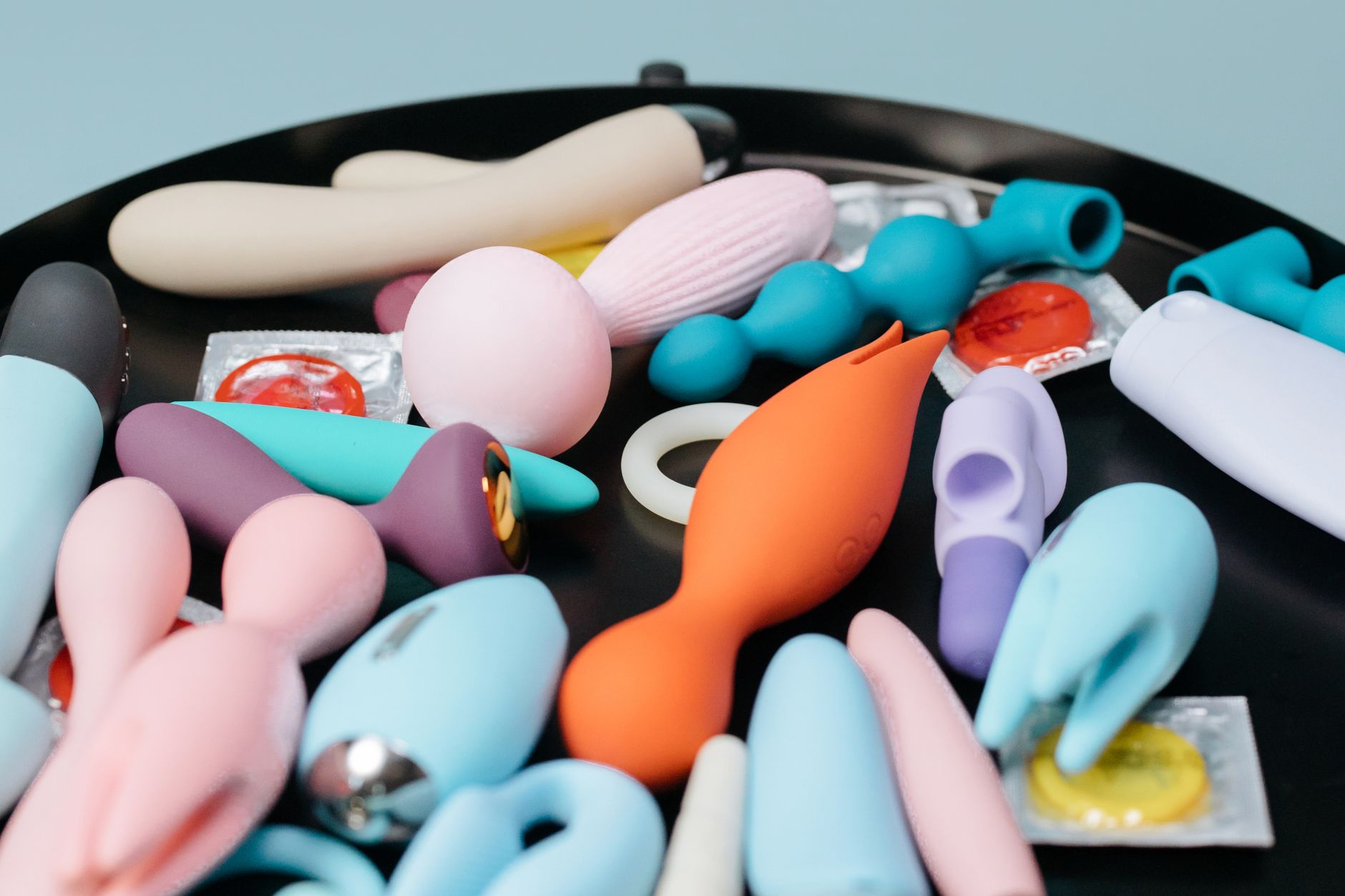
Here's what stress actually does to sex
Let's be honest. When your partner is buried under work deadlines, family drama, or financial pressure, the last thing their nervous system wants is another performance to nail. Their brain is running a million background processes. Arousal requires a quiet mind. You can't fake that.
What happens is you both feel rejected. They're not in the mood because they're genuinely absent. You interpret that as "not interested in me." Neither of you is wrong. But both interpretations miss the actual problem: stress hijacks the pelvic floor, shuts down blood flow to the genitals, and makes orgasm feel like yet another task to accomplish.
This is where a lemon clitoral vibrator changes the game. Not because it's magic. Because it works with stressed nervous systems instead of against them.
Why a lemon vibrator works when your partner's stressed
A few neurobiology shortcuts you should know.
When someone's cortisol is running high, their nervous system is in fight-or-flight mode. That means genital arousal feels distant and forced. Standard vibrators demand presence. You have to concentrate on the sensation, sync your breathing, build toward something.
A lemon sucker like our air-suction clitoral vibrator bypasses that. It creates an immediate, almost involuntary pleasure response in the clitoris. It's not about mental focus. It's about physical sensation that pulls the nervous system out of stress mode and into present-time sensation. The brain can't think about work deadlines when there's a wave of pleasure happening right now.
Second, the lemon vibrator feels less like "sex" and more like "care." That distinction matters when someone's depleted. During high-stress periods, penetrative sex can feel like another demand on their body. A clitoral vibrator feels like someone saying, "I'm here to give you pleasure with zero performance expected." That's restoration, not another job.
Third, it works solo or together. If your partner doesn't have the energy for partner sex, you can use it on yourself while they're present but passive. Or you can use it together as foreplay. Either way, you're maintaining physical connection without forcing arousal.
The conversation that has to happen first
Don't just bring a lemon vibrator to bed during a stressful week and expect it to land well. Your partner might interpret it as "I'm giving up on you" or "I don't think you're enough."
Instead, say something like: "I know you're carrying a lot right now. I want us to stay connected, but I also get that your brain is elsewhere. What if we used this differently? Not as pressure to orgasm, but as a way to feel good together without it being another thing you have to perform." That's the angle. This isn't a workaround for bad sex. It's a bridge that keeps you close when normal intimacy feels too heavy.
If your partner is skeptical about toys, read them our guide on how to introduce a lemon vibrator when your partner is nervous about toys. But also acknowledge: right now, during a stressful period, this is optional. You're offering a tool, not an ultimatum.
How to actually use it when stress is high
Three scenarios. Pick the one that fits.
Scenario 1: They're stressed but willing. Start with a short session. Not a marathon. Ten to fifteen minutes. Set a phone timer if needed so neither of you feels pressure to "finish." Use the lemon vibrator on the lower intensity settings first. Stressed nervous systems are sensitive. Start at level one or two. You might be surprised how quickly sensation builds when someone's not anxious.
Create a contained space. Dim light, no phone notifications, door locked if you share a home. The point is to create the opposite of their stressful environment. Quiet. Focused. Safe. Let the sensation do the work.
Scenario 2: They can't engage in penetration but want to stay connected. Use the lemon clitoral vibrator on yourself while your partner watches, touches your skin, or just lies next to you. Their job is zero. They're not performing. They're just present. This keeps physical intimacy alive without asking their body for something it can't give right now. Many couples find this surprisingly intimate.
Scenario 3: They need it to be about release, not connection. Sometimes during high stress, your partner needs an orgasm less as "intimacy" and more as "pressure valve." A lemon vibrator is designed for this. The air-suction mechanism works fast and reliably. Let them use it on themselves while you're present. Read a book nearby. Put a hand on their thigh. Keep it simple. The goal is physical relief, not a sex scene.
The timing that actually works
Don't try this after they've had a sixteen-hour day and crashed on the couch. Wait for a moment when stress is present but they still have a thread of energy. Often that's a weekend morning. Sunday before the work week starts again. Or right after they've had a single good night's sleep.
During acute crises, skip this entirely. If your partner just got bad news or is in crisis mode, they need rest and emotional support, not sex tools. But when stress is chronic, ongoing, and manageable but draining, this becomes a way to stay connected without adding pressure.
What changes about the experience itself
Expect orgasms to feel different. Faster, maybe. Less intense, maybe. Or actually more intense because their nervous system finally gets a signal that it's safe to let go. Stress unpredictability means you can't predict what will feel good. Pay attention to what they respond to and adjust.
Some partners report that the involuntary pleasure response from a lemon sucker actually helps them step out of their head in a way that traditional vibrators don't. If their anxiety voice is loud, the sensation might be loud enough to drown it out.
Also notice the mood after. Sometimes an orgasm during stress is releasing. Sometimes it's just a pause before the stress rushes back in. Neither is bad. The orgasm still interrupted the anxiety cycle, even if just for ten minutes.
The bigger picture here
Using a lemon clitoral vibrator during stressful periods isn't a band-aid. It's not fixing the stress itself. But it maintains the nervous system connection between you both. Sex becomes a way to signal "I'm still here, you're still here, we're still us" instead of becoming another performance that requires emotional bandwidth.
For partners dealing with sustained stress, this often feels better than attempting traditional sex, forcing arousal you don't have, and then both feeling disappointed. A lemon vibrator lets you stay intimate without the performance tax.
If the stress period lasts months, you might also want to work with a therapist together. But in the meantime, this is how you keep the thread of connection intact.
People also ask
Will using a vibrator make my partner feel inadequate during stressful times?
Not if you frame it right. The conversation matters. Say: "This isn't about you not being enough. This is about us staying close when your nervous system is overloaded. It's a tool for us, not a replacement for you." In couples therapy, we see this work best when both partners understand that a lemon vibrator during stress is actually a sign of commitment to maintaining intimacy, not an escape from it.
How often should we use the vibrator if my partner is chronically stressed?
There's no magic number. Some couples find once or twice a week works. Others go longer stretches. What matters is that it feels good and connected, not obligatory. If either of you is doing it out of guilt, that's the signal to pause and reconnect about what you both actually want. Frequency should feel organic, not scheduled.
Can a lemon vibrator actually help my partner relax if they're too wound up?
Often yes. The clitoral stimulation from a lemon sucker triggers a parasympathetic response in many people, which is the nervous system's "rest and digest" mode. That's the opposite of stress. But this doesn't work for everyone, especially if someone is in acute panic or crisis. If your partner is that activated, they probably need sleep or therapy support first, not sex.
What if my partner doesn't want to engage with the vibrator even with the conversation?
Honor that. Some people genuinely don't vibe with toys, and pressure makes stress worse. Instead, offer other ways to stay connected: massage, cuddling without sex, bathing together. The lemon vibrator is one tool, not the only way to maintain intimacy. If your partner consistently rejects connection during stress, that might be worth exploring in couples therapy.
Is it normal for orgasms to feel weaker when my partner is stressed?
Completely normal. Stress reduces blood flow to the genitals and dampens the nervous system's ability to build arousal. Orgasms during high stress often feel flatter, faster, or more muted than usual. That's physiology, not anything you're doing wrong. As stress decreases, sensation usually returns. Sometimes a lemon vibrator actually helps because it provides enough external stimulation to override the nervous system's stress response.
How do I know if we need a therapist instead of a vibrator?
A vibrator is a tool for maintaining connection during temporary or manageable stress. If the stress is so severe that your partner has zero interest in any physical intimacy, if they're withdrawing emotionally, or if this has been going on for months without relief, that's a sign you both need support from a professional. A lemon clitoral vibrator is not a substitute for therapy, but it can be a good complement while you're working on the bigger picture together.
What's next
If your partner's dealing with stress and you want to rebuild physical intimacy without pressure, a lemon clitoral vibrator designed for couples can be exactly the right tool. The key is the conversation first, then the tool second. And remember: this is about connection, not performance.
Want to talk through what might work best for your specific situation? Reach out to us. We're here to help you figure this out.
Photo by cottonbro studio on Pexels