Let's be real about distance and desire
Physical distance doesn't kill sexual connection. Avoidance does. The couples I work with who stay close across miles aren't the ones pretending nothing's changed. They're the ones who intentionally rebuild touch, talk about what they miss, and use tools that make solo or synced pleasure feel less lonely.
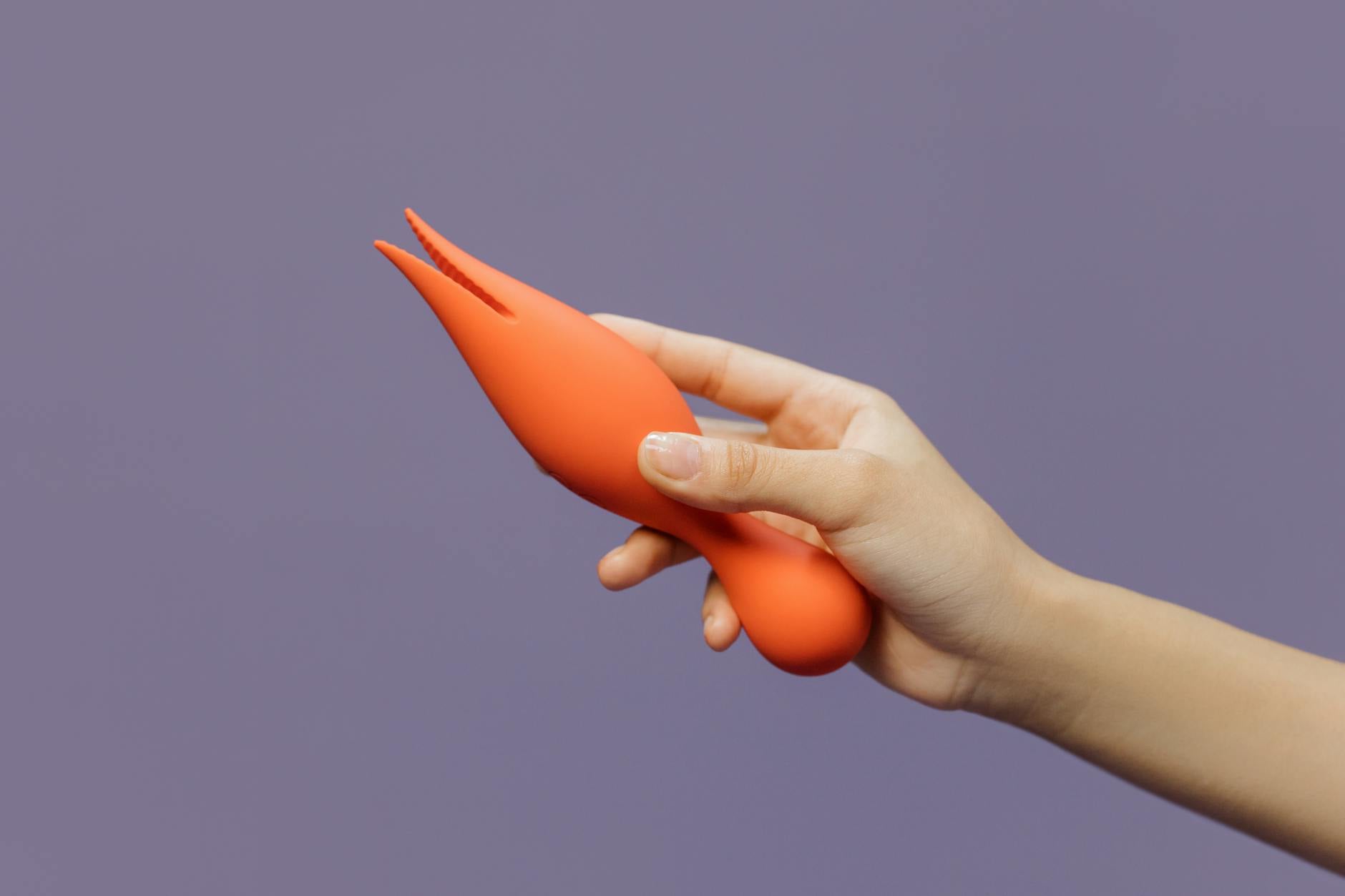
A lemon clitoral vibrator becomes something different in long-distance relationships. It's not a replacement for your partner's hands. It's a bridge. A way to stay in your body, stay present to sensation, and invite your partner into that experience even when they're not physically there.
Why distance disrupts intimacy (and why it doesn't have to stay that way)
When you live together, touch is ambient. A hand on the shoulder. Sex happens without scheduling. The body stays familiar and available. Distance strips that away. Suddenly sex requires planning, bandwidth, and intention. For some couples, that's a dealbreaker. For others, it becomes the one thing they actually prioritize.
Here's the paradox: couples in long-distance relationships often report stronger sexual and emotional intimacy than their geographically close counterparts. Why? Because they stop treating sex like a default and start treating it like something worth showing up for.
But that requires a specific setup. Solo pleasure with a lemon vibrator, integrated into your connection with your partner, becomes the thing that keeps arousal alive between visits.
How to use a lemon vibrator solo when your partner's not there
This is the foundation. You need to be comfortable with your own pleasure first.
Start with privacy and zero agenda. Set aside time when you're actually interested, not when you're forcing it because your partner's video call schedule says so. Light a candle, put your phone on silent, lock the door. This sounds obvious until you try it while half-watching notifications.
Begin at a lower intensity. If you're using a lemon suction vibrator, start at pattern 1 or 2. The genius of suction is that it builds arousal gradually. You're not chasing an orgasm. You're learning how your body responds to this specific type of stimulation over time.
Let your mind wander. This is where distance work actually helps. Without your partner's physical presence, your fantasy life becomes richer. Let it. The lemon vibrator becomes a tool for exploring what turns you on without the pressure of performing.
Many people think solo pleasure is the consolation prize. It's not. It's the thing that keeps your nervous system capable of pleasure, arousal, and responsiveness. Long distance? That becomes your secret weapon.
Using a lemon vibrator together, across distance
This is where it gets interesting. And requires vulnerability.
Talk about it first. Not during sex. Before. "I've been using the lemon vibrator, and I'd like to use it while we're on video together." Some partners light up at this. Some feel threatened. Both reactions are information. If your partner feels threatened, that's a conversation worth having about what they need and what you need.
Sync your timing. You don't need to be in the same timezone. You need to be in the same 30-minute window when you both have privacy, a working camera angle, and actual desire. Long-distance sex often fails because it's scheduled at the convenience of whoever's calling. Start with the assumption that this requires intention from both people.
Move slowly. The first time you use a lemon vibrator while your partner watches, your nervous system might freak out. That's normal. You might feel exposed, or they might feel distant watching through a screen. Stay with it. After a few sessions, your brain learns that screen-based intimacy is real intimacy.
Let your partner guide. Some couples work best with the partner who's watching controlling the rhythm verbally. "Slower. Now faster." Others prefer mutual silence. Ask what feels good. This becomes one of the most erotic conversations you'll have.
I've worked with couples where video-based pleasure became the most connected they'd been in years. Why? Because it required communication, presence, and honesty.
The physical setup that actually works
Let's talk logistics, because they matter.
Invest in the right phone stand or camera position. Not your hand. Your hands should be free. A tripod or propped phone at torso-height works best. The goal is your partner seeing your face and body, not up your nostrils or just your ceiling.
Choose a location with decent lighting. Seriously. The back-and-forth of bad lighting is a intimacy killer. If you have a lamp, sit near it. Window light during the day works beautifully. Your partner doesn't need to see you in HD clarity. They need to see you enough to feel present.
Silence your environment. No roommates in the background. No pets jumping on you mid-climax. Close the door. Tell people you're unavailable. This time is protected.
Have water nearby. And maybe tissues. Small logistics avoid jarring breaks.
When visiting happens. Rebuilding in-person touch
Here's the tricky part: you've been connecting across distance. Now you're physically together. Sometimes the transition feels awkward. Your bodies have gotten used to solo pleasure and screen-based connection. In-person touch can feel unfamiliar.
Give yourselves time. The first day together after weeks apart, pressure to have incredible sex often backfires. Hold each other. Kiss. Sleep. Let your nervous systems recalibrate to physical proximity.
Use the lemon vibrator together in person. Not as a replacement for partnered sex, but as part of the landscape. You've already normalized it together through video. Now you're adding physical presence. One partner might use the vibrator while the other touches them. Or you might use it on your partner, learning their responses in real time.
This is where solo and partnered pleasure integrate. The lemon vibrator becomes part of your shared vocabulary, not something that exists only when you're apart.
What to avoid when distance is the constraint
Don't schedule sex like a calendar obligation. That kills arousal faster than anything.
Don't use a lemon vibrator as a substitute for talking about what distance is doing to you emotionally. Tools aren't bandages for disconnection.
Don't expect that screen-based sex will feel the same as in-person touch. It won't. It's a different thing. That's okay.
Don't shame yourself for masturbating. Long-distance relationships require more solo play, not less. Your body's capacity for pleasure matters.
Rebuilding intimacy through small, consistent connection
Distance is hard. But couples who survive it well do one thing consistently: they keep showing up. They have the awkward conversations. They use tools like a lemon clitoral vibrator not because they're trying to replace each other, but because they're trying to stay connected to the part of themselves that knows pleasure while waiting for the next time they're physically together.
Your pleasure matters even when your partner isn't there. Maybe especially then. Because maintaining your own arousal, your own desire, your own capacity for sensation is what keeps the relationship alive between visits. The lemon vibrator becomes a signal: I'm staying present to myself. I'm staying open to us. I'm not letting distance numb me.
That's how long-distance couples rebuild intimacy. One intentional, honest session at a time.
People also ask
Can you use a lemon vibrator during video sex with your partner?
Absolutely. Many couples find that using a lemon clitoral vibrator while on video creates a specific kind of intimacy. Because you're watching each other's face, hearing each other's breathing, it often feels more connected than partnered sex where you're not making eye contact. Start with the conversation first. Make sure you both want to try it.
Is it weird to use a lemon vibrator solo when you have a partner?
Not even slightly. Solo pleasure and partnered sex serve different functions. Solo play helps you stay connected to your own arousal, learn your body's responses, and maintain desire. Lots of people in healthy, long-distance relationships use vibrators regularly on their own. It's not cheating. It's maintenance.
How do you talk to your long-distance partner about wanting to use a lemon vibrator together?
The same way you'd talk about anything vulnerable. Pick a calm moment, not during sex. Be honest: "I've been thinking about ways we can stay connected sexually. I'd like to try using a vibrator on video together. Would that interest you?" If they say no, ask why. That conversation matters more than the vibrator itself.
What if my partner feels threatened by me using a lemon vibrator?
That's a real response, and it deserves space. Couples therapy is genuinely useful here. Often, the threat isn't about the vibrator. It's about feeling replaced, inadequate, or left out. Understanding what's actually scary helps you address it. Sometimes that means using the vibrator together to demystify it. Sometimes it means talking about what your partner actually needs to feel valued.
Does long-distance sex with a vibrator feel the same as in-person sex?
No. And that's okay. Screen-based pleasure is its own thing. Different sensations, different emotional tone, different nervous system state. Some couples prefer it to in-person sex because it requires more communication and presence. Others find it frustrating. Both are normal. The goal isn't sameness. It's connection.
How often should we have video sex when we're long-distance?
As often as you both actually want to, not as often as you think you should. Some couples do it weekly. Others do it monthly. Pressure kills arousal. The best rhythm is the one where both people are genuinely interested. If one person's forcing it, it shows. Start small. Once a month feels sustainable. Build from there if you both want more.
References
Gottman Institute. (n.d.). Long-distance relationships and intimacy. Retrieved from https://www.gottman.com
Perel, Esther. "Mating in Captivity: Unlocking Erotic Life in Long-Term Relationships." HarperCollins, 2006.
Russell, Bonnie L. & Oswald, Debra L. "Online Infidelity: A New Concern for Couples Therapy?" Journal for the Professional Counselor, 2016.