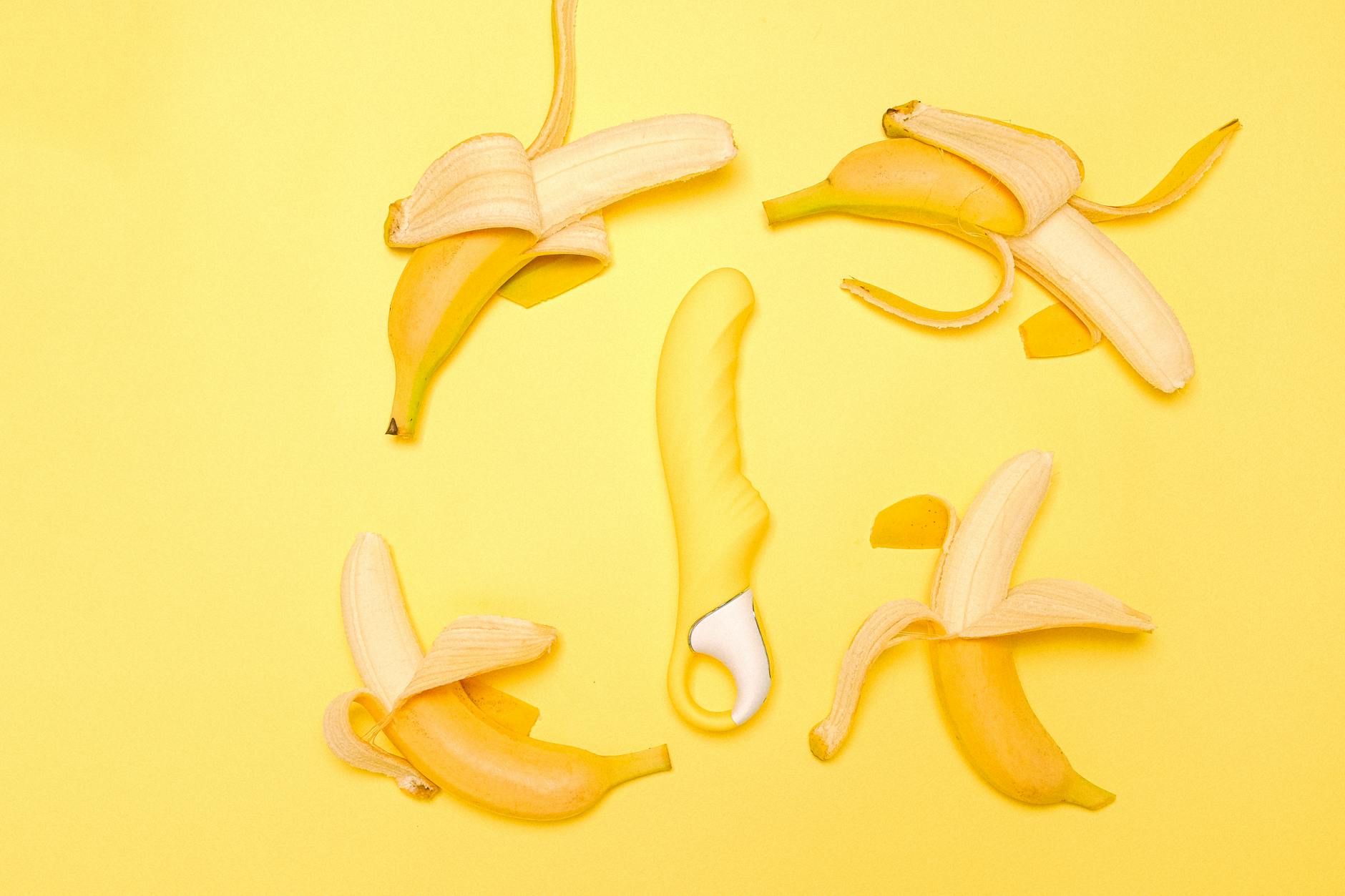
How to Use a Lemon Vibrator When Recovering From Pelvic Injury
Pelvic injury recovery is disorienting. You're caught between needing rest and missing the body you had before. Most advice stops at "wait it out," which isn't actually helpful when you're staring down months of healing and wondering if pleasure will ever feel normal again.
Here's what I tell my clients: desire doesn't disappear during recovery. Your nervous system just needs permission to trust the healing process. The right tools. And honestly, a shift in how you think about what pleasure looks like right now.
What happens to pleasure during pelvic recovery
Pelvic injuries range widely. You might be recovering from childbirth trauma, surgery, accident, or chronic pelvic floor dysfunction. The nervous system responds similarly to all of them. Your body goes into protective mode. Blood flow shifts away from the genitals toward the injury site. The pelvic floor muscles tighten defensively, which blocks sensation and makes touch feel threatening instead of pleasurable.
This is not permanent. It is, however, real. Ignoring it or pushing through it makes recovery slower, not faster.
The timeline matters too. In the first 2-4 weeks post-injury, most pelvic floor physical therapists recommend complete rest from sexual activity. Your body is literally rebuilding tissue and neurological pathways. But after that initial window, when your medical team gives you clearance, gentle external stimulation actually helps rewire your nervous system's relationship with pleasure.
Why suction-based lemon clitoral vibrators work for healing bodies
Traditional vibrators rely on friction and direct pressure. During pelvic recovery, both can feel jarring or painful. Suction works differently. It creates a gentle pulling sensation that stimulates nerve endings without requiring your tissue to withstand mechanical pressure.
This matters because your healing pelvic floor is hypersensitive right now. Direct touch might trigger a protective reflex that clamps down the entire region. Suction bypasses that reflex. It communicates gently with your nervous system instead of demanding it relax.
A lemon vibrator like the Lem designed for clitoral pleasure uses air-pulse technology. You control the suction intensity from barely-there to stronger, depending on what your body can handle that day. There's no internal penetration, no deep pressure, no friction against sensitive tissue.
For someone rebuilding their relationship with their own body, that autonomy is huge.
The timeline for reintroducing sensation
Your medical team gives clearance first. That's non-negotiable. Once they do, here's what I typically recommend:
Weeks 1-2 post-clearance: observation only. This is about noticing. You're learning what feels neutral, what feels pleasant, what feels scary. Use your hand or a soft cloth. No vibration yet. The goal is nervous system awareness, not orgasm. Many people skip this step because it feels too slow. Don't. This is where the real healing happens.
Weeks 3-4: introducing the vibrator, lowest settings. Start with your lemon vibrator on pattern 1 or 2. Keep sessions short, 5-10 minutes max. You're training your nervous system to recognize stimulation as safe, not threatening. Stop immediately if you feel pain (sharp or burning pain, not pressure discomfort). Pressure is healing. Pain is a stop sign.
Weeks 5-8: gradual intensity increase. If your body is responding well, you can explore patterns 3-5. But don't feel rushed. Some people need 12 weeks to comfortably reach mid-range settings. Your timeline is yours, not the vibrator's.
Beyond 8 weeks: finding your new baseline. By this point, most people report significant nervous system recalibration. The protective tension softens. Sensation returns. Pleasure starts to feel like yours again.
How to actually use a lemon vibrator during recovery
Technique matters. Here's what works:
Create predictability. Your nervous system is learning to trust again. Same time, same quiet space, same low pressure helps. Your body knows what to expect.
Start external only. Even when you feel ready to explore internal play, resist. Your pelvic floor needs to learn that external stimulation is safe before adding internal complexity. A suction vibrator on the clitoral area or outer labia is the perfect reset.
Use a generous amount of lubricant. Your healing tissue may produce less natural lubrication. Water-based lube isn't a sign of weakness. It's communication between you and your body about what it needs. Seriously generous. Thicker feels better right now.
Keep your pelvic floor intentionally relaxed. This is the opposite of what most people do instinctively during pleasure. Your instinct is to tense up. During recovery, tensing triggers the protective clamp that blocks sensation. Instead, focus on long exhales. Imagine softening the tissue around your genitals. Kegel-free zone for now.
Stop at any sharp pain. Pressure, fullness, and intensity are fine. Sharp pain, burning, or that sudden tightening feeling is your nervous system saying no. Listen.
The mental piece is bigger than the physical
Your body is healing. Your mind often isn't. There's grief involved in pelvic injury recovery. Grief for the body you had, the pleasure that came easily, the sensation you trusted. That grief is legitimate and it blocks recovery if you ignore it.
Most of my clients report that they expected pleasure to come back the same way it left. It doesn't. It comes back softer, more intentional, less automatic. Some describe it as richer because they had to build it back deliberately instead of taking it for granted.
One major reframe: your body isn't broken. It's rebuilding. There's a difference. Broken is permanent. Rebuilding has a direction.
When to pause and get support
If you're using a lemon vibrator and experiencing sharp pain consistently, stop and check back in with your physical therapist. If you're past the expected recovery window and sensation hasn't returned, that's worth raising with your medical team. If anxiety around your own body is blocking pleasure even when the physical healing is done, a sex-positive therapist can help rewire that.
Recovery isn't linear. You'll have days when your body feels almost normal and days when it feels fragile again. That's not failure. That's healing.
FAQ: Pleasure and Pelvic Recovery
Can I use a lemon vibrator if I'm still in acute pain?
No. Acute pain means tissues are still actively inflamed. Wait until your medical team gives you clearance and the sharp pain has subsided to pressure or mild discomfort. Pushing through acute pain extends recovery and teaches your nervous system that stimulation = danger.
How do I know if I'm using my lemon vibrator too intensely?
Your body will tell you. If you're white-knuckling, if your pelvic floor is clenching involuntarily, or if you have residual discomfort for hours after, you went too intense. Back off to the previous level and stay there longer. Recovery isn't about reaching the highest settings. It's about nervous system recalibration.
Is it normal for sensation to feel numb even on the highest setting?
Yes, especially if your injury was severe or you're early in recovery. Numbness often precedes tingling, which precedes normal sensation returning. This progression can take weeks. If it lasts beyond 12 weeks post-clearance, mention it to your PT or gynaecologist. Sometimes gentle pelvic floor physical therapy combined with vibrator use accelerates recovery.
Can my partner use a lemon vibrator on me during recovery?
Yes, but only if you feel safe and your medical team has cleared it. The advantage of partner involvement is that you can stay completely relaxed while they control the stimulation. The disadvantage is that you might hold tension because you're self-conscious or worried about their reaction. Start solo to build confidence, then invite partnership if it feels good.
How often should I use my vibrator during recovery?
Start with 2-3 times per week, no more than 10 minutes per session. Your nervous system needs recovery time between exposures to stimulation. More frequent isn't faster healing. Consistent, gentle, and predictable beats intense and sporadic every time.
What if I still can't orgasm months after recovery started?
Orgasm often comes last. Your body rebuilds sensation, then arousal, then orgasm. Some people report that their first post-recovery orgasm takes months. That's normal. Stop chasing it and focus on sensation instead. The orgasm usually follows when you're no longer anxiously waiting for it.
You don't have to wait for your body to be "normal" to deserve pleasure
Pelvic injury recovery is a long conversation between you and your body. A lemon vibrator isn't a shortcut through that conversation. It's a tool for having it gently, at your own pace, with as much control as you need.
Your nervous system is learning to trust sensation again. Your job is to be patient with it and use tools designed for gentleness. Suction-based stimulation like the Lem offers exactly that. No friction, no force, no pressure to perform.
You're not broken. You're rebuilding. And pleasure is part of that rebuild, whenever you're ready.
If your recovery feels stuck or complicated, reach out to a pelvic floor physical therapist or a sex-positive counselor. This is what they're trained for, and you don't have to figure it out alone.