Let's be real about post-divorce intimacy
Divorce is a rupture. Even if it was the right decision, your body doesn't always know that. You've spent years (maybe decades) in one sexual pattern. Your body learned how to respond to one person, one touch, one set of expectations. And then suddenly, none of that applies anymore. The grief of that isn't weird. It's normal.
Many of my clients tell me the same thing: sex after divorce feels like starting from zero. Except it's not zero. It's worse than zero because you remember the old map. You know what used to work. And now you're not sure what you want, or whether your body even remembers how to want.
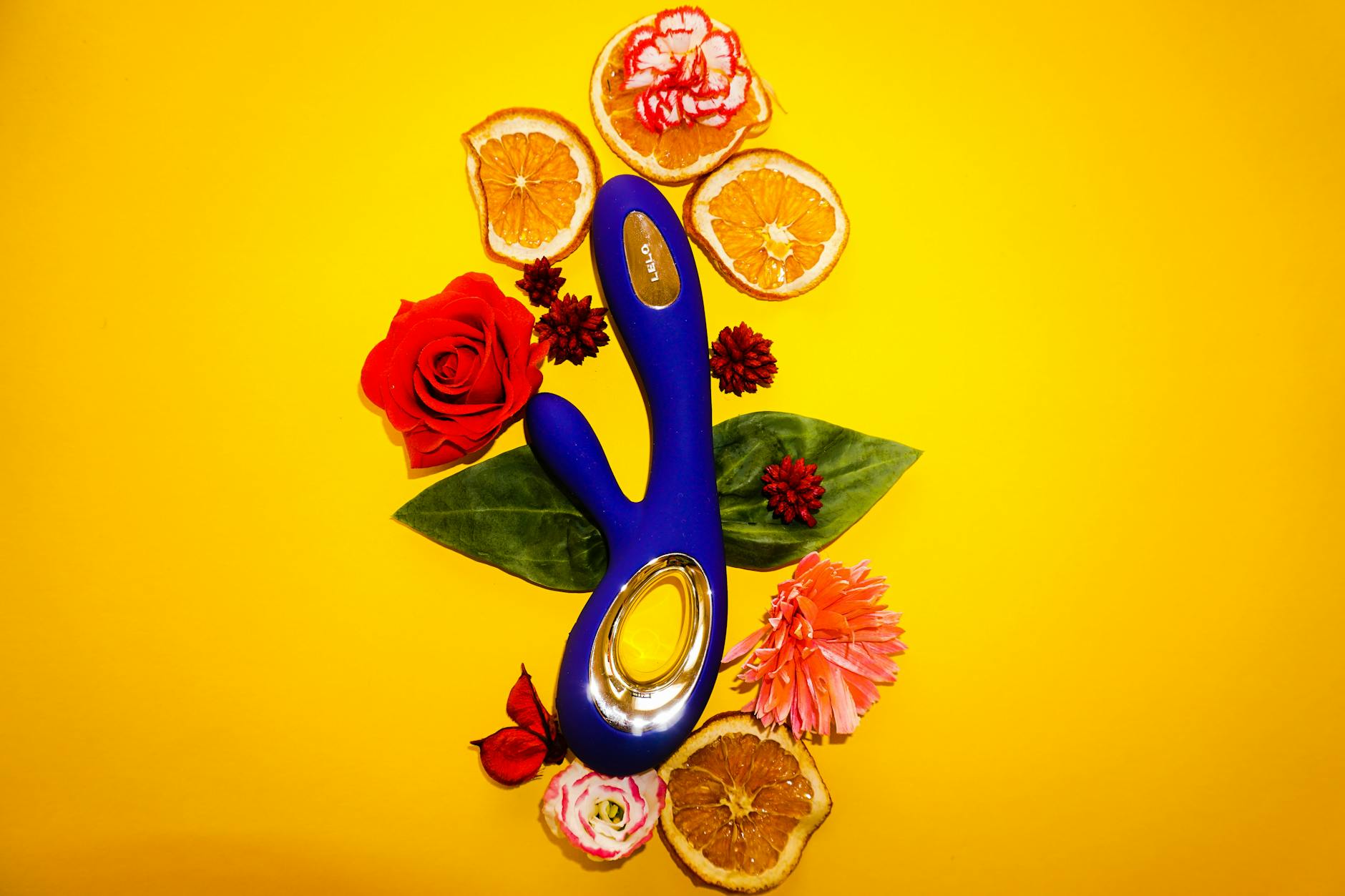
This is where a lemon vibrator becomes genuinely useful. Not as a band-aid, and not as a replacement for the relationship work you're doing separately. But as a direct tool for reconnecting with your own pleasure without the weight of someone else's expectations attached.
Why divorce disconnects us from our pleasure
Three things happen after divorce, physically and emotionally:
First, the guilt lingers. Even in a healthy divorce, there's often shame attached to pleasure. You might feel like you should be grieving instead of feeling good. Or you carry old messages about what's acceptable. These feelings live in your nervous system, and they genuinely suppress arousal.
Second, your body is trauma-responsive. Divorce is a loss. Your nervous system is still in stress mode. That means your pelvic floor is probably tight, your breathing is shallow, and your mind is scattered. Arousal requires the opposite: parasympathetic activation, pelvic floor release, and presence. It's hard to find any of that alone when your body is still in fight-or-flight.
Third, you've lost your sexuality's context. Sex wasn't just about pleasure in your marriage. It was about connection, comfort, validation, sometimes duty. Now that container is gone, and you have to figure out who you are as a sexual person outside of that role. That's a real identity rebuild.
Why a lemon vibrator, specifically
A good lemon clitoral vibrator works differently than penetrative toys. It uses air-suction or pulse patterns, not direct friction. This matters post-divorce because your clitoris needs stimulation that feels safe and has a clear off switch.
With a partner, pleasure was often intertwined with emotional states. You had to manage their feelings, their pace, their needs. A lemon vibrator doesn't have needs. It operates on your rhythm entirely. You control the intensity, the pattern, the pace. If you need to stop, you stop. There's no negotiation, no performance, no aftermath conversation.
That autonomy is healing. Especially when everything else about divorce has felt out of your control.
How to approach using a lemon vibrator after divorce
Start with zero expectations. Not "I'm going to have an amazing orgasm." Not "This should feel like it used to." Just "I'm going to spend 20 minutes with my body and see what happens." Removing the goal removes half the pressure right there.
Schedule it like self-care. Not in a rigid way, but with intention. Pick a time when the kids are out, or when you've got the house to yourself. Light a candle if that helps. Play music. Make it feel like something you're choosing for yourself, not something you're squeezing in between emails and laundry.
Warm up longer than you think you need to. After divorce, arousal often takes longer to build. Your nervous system needs time to downshift. Spend 10-15 minutes just touching yourself, no vibrator yet. Let your body remember it can feel good without performance attached.
Use the lemon vibrator on low settings first. Start at pattern 1 or 2. The point isn't intensity right now. It's reacquaintance. Your clitoris might feel more sensitive than you remember, or it might feel numb. Both are normal. Both shift with time and practice.
Notice without judgment. If your mind wanders, that's fine. If you feel sad halfway through, that's also fine. You don't have to push through to an orgasm to make it "count." The whole point is to reestablish trust with your own body. Trust builds through repeated experiences, not through perfect performances.
What emotions might show up (and why that's okay)
You might feel grief in the middle of pleasure. That's not a sign something's wrong. It's actually a sign something's working. Your nervous system is beginning to relax enough to process what it's been holding. Let that happen.
You might also feel angry, or empowered, or weirdly disconnected. All of those are normal responses to reclaiming your sexuality after it's been entangled with someone else's for years. A good lemon clitoral vibrator creates a safe container for all of it.
How this rebuilds more than just pleasure
When you use a lemon vibrator solo and own your pleasure, you're not just having a good time. You're sending your nervous system a message. The message is: you are safe. Your body is yours. You deserve to feel good. You don't need anyone else's permission or presence to have that.
That's not a small thing post-divorce. That's foundational.
Many of my clients tell me that solo pleasure with a vibrator became the first space where they felt genuinely in control after the chaos of separation. It's quiet, it's predictable, and it's entirely theirs. From there, other kinds of trust and confidence start to rebuild.
The longer view: when you're ready for partner intimacy again
This is important: using a lemon vibrator solo doesn't mean you're avoiding partnership or that you're broken for preferring solo play right now. It means you're healing intelligently. You're reestablishing a baseline of pleasure that's separate from anyone else's needs or preferences. That baseline is actually what makes healthy partner sex possible later.
When you do move toward partner intimacy, you'll know what works for your body independent of their touch. You'll have reset the neural pathways of pleasure to respond to what you actually want, not to old habits. That's a massive advantage.
FAQ: common questions about lemon vibrators after divorce
Will using a vibrator make partner sex harder later?
No. In fact, the opposite. When you know exactly what makes your body feel good, you can actually communicate that to a partner. You're not trying to guess or accommodate. You know your baseline. That makes the collaboration stronger, not weaker. Many of my clients say that understanding their own pleasure with a lemon vibrator made them way more confident communicating during partner sex later.
How long before I should feel "normal" pleasure again?
There's no timeline. Some people notice shifts in a few weeks. Others take months. Your body's response depends on how long you were married, how the divorce unfolded, whether you're in therapy, and honestly just your nervous system's pace. Be patient with yourself. Healing isn't linear. Use the lemon vibrator whenever it feels good, not on a schedule that "should" work.
Should I tell my therapist I'm using a vibrator?
If you're in therapy, yes. A good therapist will see this as part of your self-care toolkit. If your therapist reacts negatively, that's a sign they might not be the right fit for you right now. Your sexuality is part of your healing. It deserves to be treated with respect.
What if I feel guilty using a vibrator after divorce?
That guilt is often inherited from old messages about what's "acceptable." After divorce, you get to redefine that. Your pleasure belongs to you. A lemon vibrator isn't a replacement for connection. It's a way of rebuilding connection with yourself. Frame it that way internally, and the guilt often softens.
Can I use a lemon vibrator if I'm still grieving the marriage?
Absolutely. Grief and pleasure can coexist. You can miss your marriage and still want to feel good. You can be angry at your ex and still enjoy your body. These things don't cancel each other out. A lemon clitoral vibrator is actually a really safe way to process both emotions and reconnect with sensation at the same time.
How do I know if I'm "ready" to use a lemon vibrator after divorce?
You're ready when you're willing to show up for yourself without judgment. That's it. You don't have to feel healed. You don't have to be "over it." You just have to be willing to spend time with your body and see what happens. The lemon vibrator will help you get there.
The closing thought
Divorce changes your life. It doesn't have to change your capacity for pleasure. A lemon vibrator is a tool for rebuilding that pleasure on your own terms, in your own time. It's not about sex or romance. It's about reclaiming something that's yours alone. If you want to explore that further or talk through what solo pleasure might look like for you post-divorce, reach out to Hello Nancy or chat with a therapist who specializes in post-separation healing. You deserve both pleasure and support as you rebuild.