Here's what nobody warns you about when you stop hormonal contraception
You decide to quit the pill, lose the patch, or have the implant removed. Your doctor says your body will "go back to normal." What that actually means is way more complicated than a simple return to baseline. Your hormones don't flip a switch. They gradually recalibrate, and during that recalibration, your arousal, your sensation, and your pleasure response can feel completely unfamiliar.
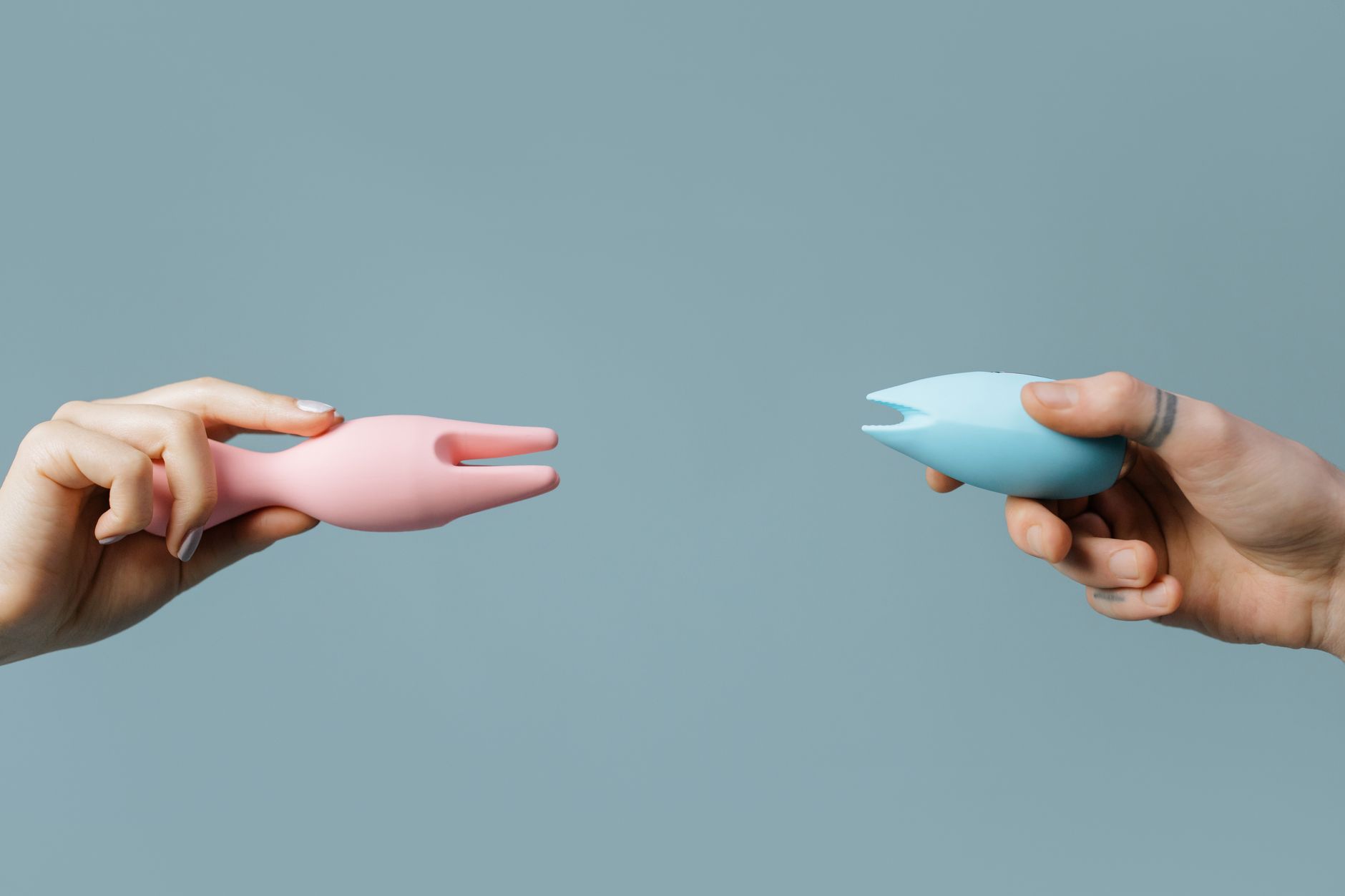
The lemon vibrator—also called a lem vibrator or lemon sucker—works particularly well during this transition because it doesn't demand the old sensitivity rules. Here's what you need to know.
What hormonal contraception actually does to arousal
Hormonal birth control (the pill, patch, implant, ring, shot) suppresses your natural hormone cycling. It keeps estrogen and progestin steady instead of letting them rise and fall across your cycle. This has consequences for pleasure that most people never discuss with their prescribing doctor.
When you're on hormonal contraception, testosterone production often drops. Testosterone isn't just for people with penises. People with vulvas make it in the ovaries and adrenal glands, and it's responsible for a huge chunk of sexual desire and clitoral sensitivity. On the pill, many people report softer arousal, less spontaneous desire, and a general flatness in the pleasure response.
You might not even notice you've lost something until you're off it. And then—usually 4 to 12 weeks after stopping—it comes back in waves.
What happens when you quit hormonal contraception
Your body doesn't restart overnight. Here's the realistic timeline:
Weeks 1-2: You'll probably feel relief just from the decision. Psychologically, that matters. Hormonally, almost nothing has changed yet. The synthetic hormones are still clearing your system.
Weeks 3-8: Your natural cycle starts reasserting itself. Testosterone begins rising. You might notice increased arousal around ovulation (which wasn't predictable on the pill because you weren't ovulating). You might also notice unexpected mood shifts, acne, or water retention because your body is remembering its original rhythm.
Weeks 8-16: This is where most people report the biggest shift in pleasure. Desire feels more urgent. Sensation feels sharper. The clitoris becomes more responsive. If you were on hormonal contraception for years, you might be surprised by how much more intense arousal can feel.
But here's the catch: your body's sensitivity to touch might feel too intense at first. You might find that direct clitoral stimulation feels sharper, sometimes almost uncomfortable. This is where the lemon vibrator becomes your best friend.
Why the lem vibrator works during hormonal transitions
A lemon clitoral vibrator uses suction and pulsing rather than direct vibration. This matters enormously when your tissue sensitivity is in flux. Here's why:
Suction distributes sensation differently than vibration. Instead of focusing stimulation on one spot, suction creates a broader field of pleasure that's less likely to feel overwhelming. During hormonal transition, this is huge. You get arousal without the "too much, too fast" feeling.
The Lem's pattern range lets you start slow and build. If direct clitoral sensation feels sharp after quitting contraception, patterns 1 and 2 on the Lem provide gentle stimulation that your recalibrating nervous system can actually enjoy. You're not forced to choose between "nothing" and "intense vibration."
Suction actually helps normalize clitoral tissue. After being suppressed by hormonal contraception, your clitoris is reclaiming its sensitivity. Suction-based stimulation can feel less jarring than traditional vibrators as this happens.
How to use a lemon sexual toy during the transition
Here's the practical stuff. If you've just quit hormonal contraception or you're in the first few months off it, try this:
Start with pattern 1 or 2 on the Lem. Not because you're broken, but because your arousal system is relearning its own language. Give yourself 15 to 20 minutes of foreplay or solo exploration first. Let your natural testosterone do its work before you bring in the vibrator.
Use lube even if you don't think you need it. Coming off hormonal contraception can mean your natural lubrication temporarily feels different as your hormone levels stabilize. Water-based lube removes any friction guesswork. Your vaginal ecosystem is already managing a lot.
Pay attention to where your arousal peaks during your cycle. This is one of the best parts of quitting hormonal contraception: your cycle comes back. Ovulation—usually around day 14 of your cycle—is often when arousal feels most intense. Some people find that using a lemon clitoral vibrator around ovulation feels different than using it during the follicular phase. There's no right way to experience this. Just notice it.
If sensation still feels too sharp, go lower on the intensity scale. The Lem has room to go below pattern 1 if you experiment with how you hold it. Angle it slightly differently. Adjust the seal. You're not looking for maximum sensation right now. You're looking for recognition.
The emotional piece nobody talks about
Hormonal contraception is not just a body thing. For many people, quitting it represents a huge shift in identity, autonomy, or life stage. You might be coming off it because you want to get pregnant. Because you're unhappy in the relationship that made you take it. Because you're finally prioritizing your own health. Because you realized it was never the right choice for your body.
All of those reasons change how you experience pleasure.
When you reconnect with your natural cycle, you're also reconnecting with your body on a deeper level. The first orgasm after quitting hormonal contraception can feel shocking—like coming home after years away. That's not just the lemon vibrator doing its job. That's your nervous system recognizing itself again.
If you're rebuilding pleasure with a partner during this transition, the conversation is even more important. Your desire might feel different. Your timing might shift. What used to work might not land the same way. This is actually an opportunity to have a real conversation about what both of you actually want, separate from what the hormonal contraception was masking.
When to check in with your doctor
Most hormonal transitions settle within 3 to 4 months. If yours doesn't, worth mentioning to your gynecologist. Some people experience more dramatic hormonal swings coming off contraception. Some experience depression or anxiety. Some find that their acne or period pain returns worse than before.
None of that means you made the wrong choice. It means your prescriber should know what's actually happening in your body so you can make informed decisions.
If pleasure feels completely absent after 4 months, that's also worth discussing. Sometimes coming off hormonal contraception reveals underlying issues—relationship problems, trauma responses, or other hormonal imbalances—that the contraception was quietly managing.
A lemon vibrator can't fix those things. But it can help you reconnect with sensation while you figure out what's actually going on.
FAQ: Common questions about the Lem vibrator during hormonal transitions
How long does it take for arousal to return to normal after stopping hormonal contraception?
There's no single timeline. Most people notice increased desire within 4 to 8 weeks. Full hormonal stabilization takes about 3 months. For some, it's longer. Your baseline before you started contraception, your genetics, your stress level, your relationship dynamics, and a hundred other factors all play a role. The lemon clitoral vibrator can help you explore sensation during this in-between time without pressure to "feel normal" by a certain date.
Can I use a Lem vibrator right after stopping birth control pills?
Yes. There's no medical reason to wait. If you're curious about how your body is changing, exploring with a lemon vibrator is a low-stakes way to pay attention. Start with lower patterns and go slowly. Your sensitivity is recalibrating, so what felt gentle before might feel sharper now.
Will using the Lem vibrator help my hormones rebalance faster?
Not directly. But regular pleasure and orgasm actually have positive effects on your hormonal system. Orgasm releases oxytocin and dopamine, which can help regulate your nervous system during the adjustment period. There's also something to be said for the psychological benefit of reconnecting with your body as your identity shifts after quitting hormonal contraception.
What if I feel more anxious or depressed after stopping the pill?
This is real and happens to enough people that it's worth taking seriously. Hormonal contraception affects mood for a lot of people—sometimes negatively, sometimes positively. When you stop, your brain chemistry resets. For some, that's a relief. For others, it means the return of depression or anxiety that the contraception had been suppressing. This is separate from your pleasure response and worth discussing with a therapist or prescriber. The lemon sexual toy can be part of self-care during this time, but it's not a substitute for professional support if your mental health is struggling.
How is using the Lem different from using a traditional vibrator during hormonal transition?
Traditional vibrators use direct vibration, which can feel overwhelming when your clitoral sensitivity is heightened post-contraception. The lemon vibrator's suction mechanism creates a broader, gentler field of stimulation. It's more forgiving when your body is recalibrating. Many people find it easier to control sensation and build arousal more gradually with a lemon clitoral vibrator than with a standard wand or bullet.
Is it normal to want more or less sex after quitting hormonal contraception?
Both are normal. Some people come off contraception and experience a surge in desire because testosterone is back. Others come off it and realize they were using it to suppress sexuality they weren't ready to feel. Others discover that their low libido wasn't actually hormonal—it was relational. Your desire after quitting contraception is information about what you actually want, not about what's "supposed" to happen. Pay attention to it. A lemon vibrator is a good way to explore your own response without external pressure.
Moving forward
Transitioning off hormonal contraception is a reclamation of your body's own wisdom. Your cycle returns. Your arousal returns. Your clitoris remembers its own language. This can feel like reconnection or it can feel like reacquaintance with a stranger. Both are valid.
A lemon vibrator won't speed up your hormonal transition. It won't erase the work of recalibrating your nervous system. But it can help you explore sensation without judgment while your body remembers what it feels like to want something on its own terms.
That's worth exploring. If you have questions about this transition or want to talk through what you're experiencing, I'm always here. Reach out to Hello Nanc anytime at our contact page.
Your pleasure matters. Your body's timeline matters. Take the time you need.