
The mismatch nobody wants to admit
You want sex twice a week. Your partner wants it twice a month. You're drawn to clitoral stimulation. They think foreplay should last twenty minutes. You want vibration. They prefer touch. You're thinking about pleasure. They're thinking about connection. Sound familiar?
This is one of the most common friction points in long-term relationships, and it's also one of the loneliest. You both love each other. You're attracted to each other. But something is fundamentally out of sync. A lemon vibrator like the Lem doesn't fix incompatibility, but it does give you something more useful: a concrete tool for having a different conversation.
Why desire mismatch happens (and it's not what you think)
Most couples assume desire mismatch is about attraction or passion. It almost never is. More often, it's about four separate things that got tangled together.
Arousal speed. Some bodies take fifteen minutes to warm up. Others need three. That's biological and doesn't mean anyone is broken.
Pleasure pathway. Some people need clitoral stimulation to orgasm. Some need penetration. Some need both. Some don't need orgasm at all. The lemon vibrator is wildly effective for clitoral sensation, but if your partner's pleasure works differently, adding a clitoral vibrator to the mix can actually make things worse if you're not talking first.
Emotional bandwidth. Sex isn't just sex. It's also vulnerability, and vulnerability requires emotional real estate. Someone stressed about work, depleted from parenting, or grieving isn't avoiding you. They're protecting themselves.
Competing needs. You might want sex because you feel connected afterward. Your partner might want connection before sex happens. One of you connects through sex. The other needs safety to access sex at all. That's not a desire mismatch. That's a timing mismatch wearing a desire mask.
The conversation you actually need to have
Before you introduce a lemon vibrator into the mix, you need one conversation that most couples skip. It's not sexy. It's not spontaneous. But it changes everything.
Honestly though, the conversation isn't "Do you want me to use a vibrator?" It's "What does good sex actually look like for you?" And the answer will probably surprise you.
When I work with couples in my practice, I ask four things:
- What's the emotional experience you want from sex? (Connection, release, playfulness, feeling wanted, vulnerability?)
- What's the physical pathway that works for your body? (Direct touch, indirect stimulation, penetration, sensation play?)
- How long does arousal actually take you? (Not what you wish it took. What it actually takes.)
- What happens in your body and mind right before you want to say no?
These questions aren't about judgment. They're about data. And data is what lets you build something that works for both of you instead of what works for the one of you with the louder desire.
How a lemon clitoral vibrator changes the dynamic
Here's where it gets practical. A lemon vibrator works differently than traditional vibrators because it uses suction stimulation instead of direct vibration. For the partner who finds intense clitoral vibration overwhelming, it's often a game-changer. For the partner who struggles with arousal speed, it can shift the timeline in their favor.
Let's say you're the higher-desire partner and your partner's arousal takes longer. You introduce the Lem. It's not about forcing anything. It's about acknowledging that their body works the way it works, and this tool helps. You can focus on foreplay, connection, and your own arousal while they use the Lem's suction stimulation. That's not working around the problem. That's respecting it.
Or maybe you're the lower-desire partner and your partner wants more frequent sex. Using a lemon vibrator doesn't mean you have to want sex more often. But it might mean that on the nights when you're willing but not enthusiastic, you have a tool that makes physical pleasure happen faster. That's not performance. That's honesty. You're saying: "My body doesn't want this, but I want to connect with you. Here's how we get there."
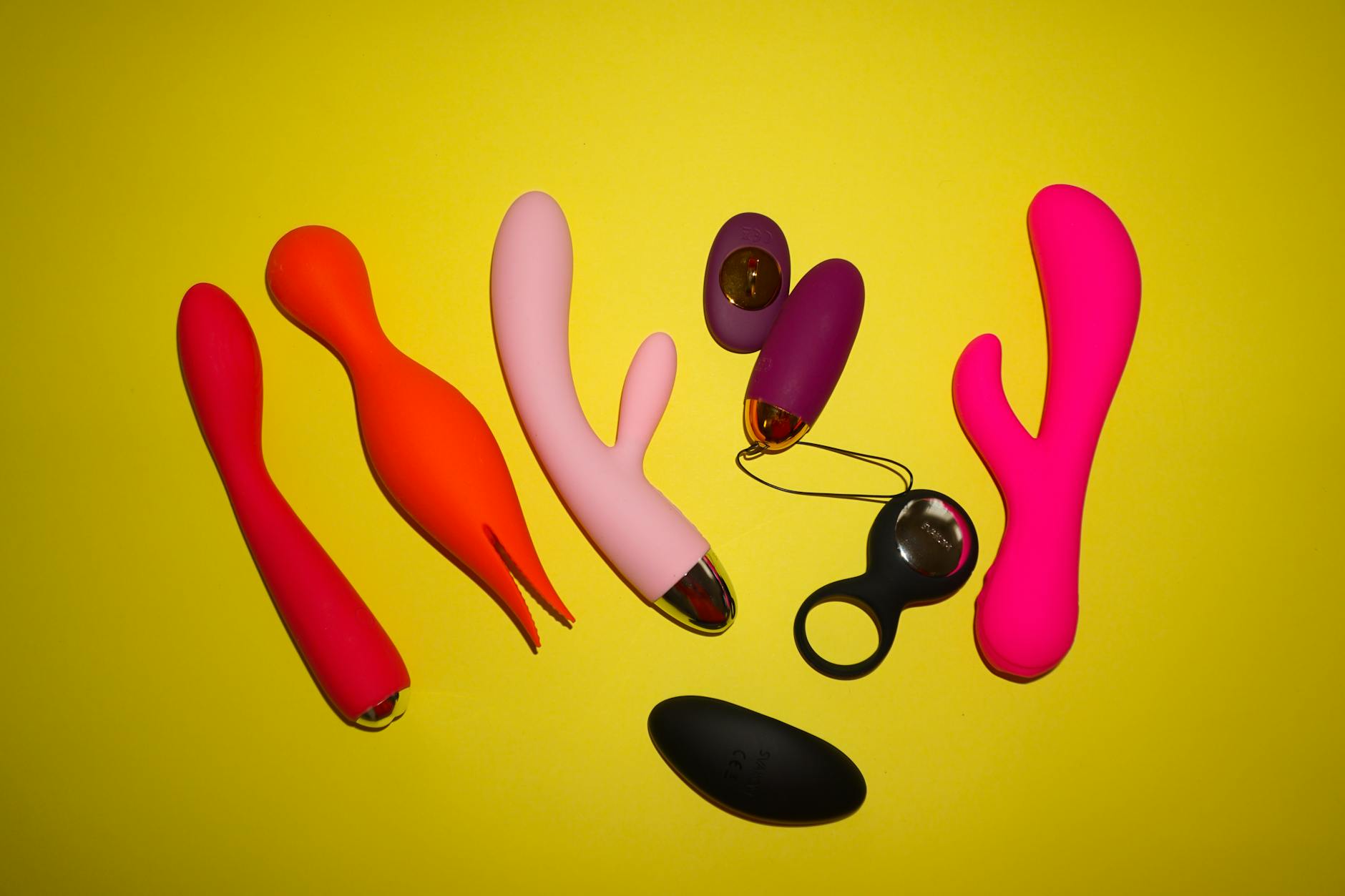 Photo by DRT.fm on Pexels
Introducing a lemon vibrator without making it weird
The hardest part is usually the conversation, not the vibrator. Here's what actually works:
Don't frame it as a solution to a problem. Frame it as exploration. "I read about lemon vibrators and how they work differently than regular vibration. I'm curious what that feels like. Want to try it together?" That's it. No baggage. No subtext about your desire mismatch.
When you use it the first time, go slow. The Lem has multiple intensity settings. Start low. Let your partner get used to the sensation before anything escalates. If you're the partner who wants the Lem, don't expect your slower-to-arouse partner to suddenly jump to intensity 5. You're building comfort, not proving a point.
Here's the thing that changes the dynamic: when you're both focused on the Lem and what it feels like, you're not focused on the performance anxiety underneath the desire mismatch. You're not thinking "Why don't you want me?" You're thinking "Okay, how does this work for this body?" That shift in focus is where real connection lives.
When a vibrator alone isn't enough
Be real with yourself: a lemon vibrator is a tool. It's not couples therapy. If your desire mismatch is tied to anger, resentment, feeling unseen, or genuine incompatibility, a vibrator won't fix that. It might temporarily make sex happen more often, but it won't solve the underlying issue.
This is when you need to talk about whether this mismatch is fixable or whether it's a sign of something bigger. Sometimes couples have fundamentally different sexual needs and they work it out. Sometimes they don't. Both outcomes are okay. But you can't know which one you're in until you've actually talked.
If you're the partner with lower desire, be honest about why. Is it this relationship? Is it your body? Is it depression, medication, hormones? Are you touched out from parenting? Are you exhausted? A lemon vibrator won't change any of that. But naming it might.
If you're the partner with higher desire, ask yourself what you actually need. Do you need more frequent sex, or do you need to feel wanted? Because those are different conversations. You can use a lemon vibrator and still feel disconnected. And you can have sex without a vibrator and feel deeply connected. Don't confuse frequency with intimacy.
Building something that actually works
The couples I've worked with who navigate desire mismatch well do two things differently. First, they stop treating desire as a character flaw. It's not. It's a mismatch. Second, they get specific about what they actually want.
You don't need matching desire. You need matching willingness to explore what works for both of you. That might mean using a lemon vibrator on nights when one partner wants sex and the other doesn't but is willing. That might mean one partner using it solo while the other does something else, then coming back together. That might mean accepting that sex looks different in your relationship than it looks in other relationships.
What it shouldn't mean is one person sacrificing themselves or the other person settling for less connection than they need. There's a middle ground where you both get something.
A lemon vibrator can help you find that ground because it takes some of the pressure off. It makes arousal less dependent on how much you want your partner in that moment and more dependent on what your body actually needs. And that's permission both of you have been waiting for.
FAQ
Can using a vibrator together actually improve our relationship if we have different desires?
A vibrator is a tool for pleasure, not relationship repair. But it can shift the conversation. Instead of "Why don't you want me?" you're asking "How does this work for your body?" That reframe is valuable. A lemon vibrator specifically can help because it doesn't rely on traditional vibration, which works better for some bodies than others. The real relationship improvement comes from talking honestly about what you each actually need.
What if my partner thinks using a vibrator means I'm not satisfied with them?
That's a real fear and worth addressing directly. The honest answer: a vibrator doesn't replace your partner. It works alongside your partner. Your body responds to clitoral stimulation in a certain way. That's biology, not rejection. Try saying: "I want this to feel good for my body so I can be fully present with you. A lemon vibrator helps that happen. It's not about you. It's about what makes sex work for me."
How do I use a lemon vibrator if my partner has a different kind of pleasure pathway than me?
Talk first. If your partner's pleasure comes from penetration and yours from clitoral stimulation, you might use the Lem while they do something else that works for them. Or you both might get aroused through different pathways and then come together. Some couples use the vibrator during foreplay so both people are warmed up on their own timeline, then move into what feels good together.
What if introducing a vibrator makes the desire mismatch worse?
Stop and reassess. If using a lemon vibrator creates tension instead of easing it, that tells you something important. It probably means the desire mismatch isn't really about arousal speed or sensation. It's about something deeper, like feeling disconnected or resentful. That's not a vibrator problem. That's something to work through with a couples therapist or by having an honest conversation about whether this relationship meets both of your needs.
Is it normal to want sex more or less often than your partner?
Completely normal. Studies suggest that about 80 percent of couples experience some level of desire mismatch at some point. The difference between couples who weather it and couples who don't isn't that they match. It's that they talk about it and find solutions they can both live with.
How often should we use a lemon vibrator if we're trying to bridge a desire gap?
There's no schedule. A lemon vibrator isn't a compromise you force into a routine. It's a tool you use when it feels right. Maybe that's once a week. Maybe that's once a month. The goal isn't to use it more often. The goal is to make sex feel good when it happens, so you both want it to happen more naturally.
The bridge you didn't know you needed
Desire mismatch doesn't mean you're incompatible. It means you're human. One of you wants sex more. One of you wants it differently. One of you connects through it. One of you needs connection before it happens. These aren't problems. They're just different.
A lemon clitoral vibrator can help because it takes some of the pressure off. It removes the performance aspect from sex for a moment and replaces it with exploration. And in that space where you're both curious instead of both defending, something shifts. You start seeing each other again instead of seeing the conflict.
That's not a guarantee. But it's where real change starts. If you want more support navigating this, reach out at /contact and let's talk about what actually works for you both.