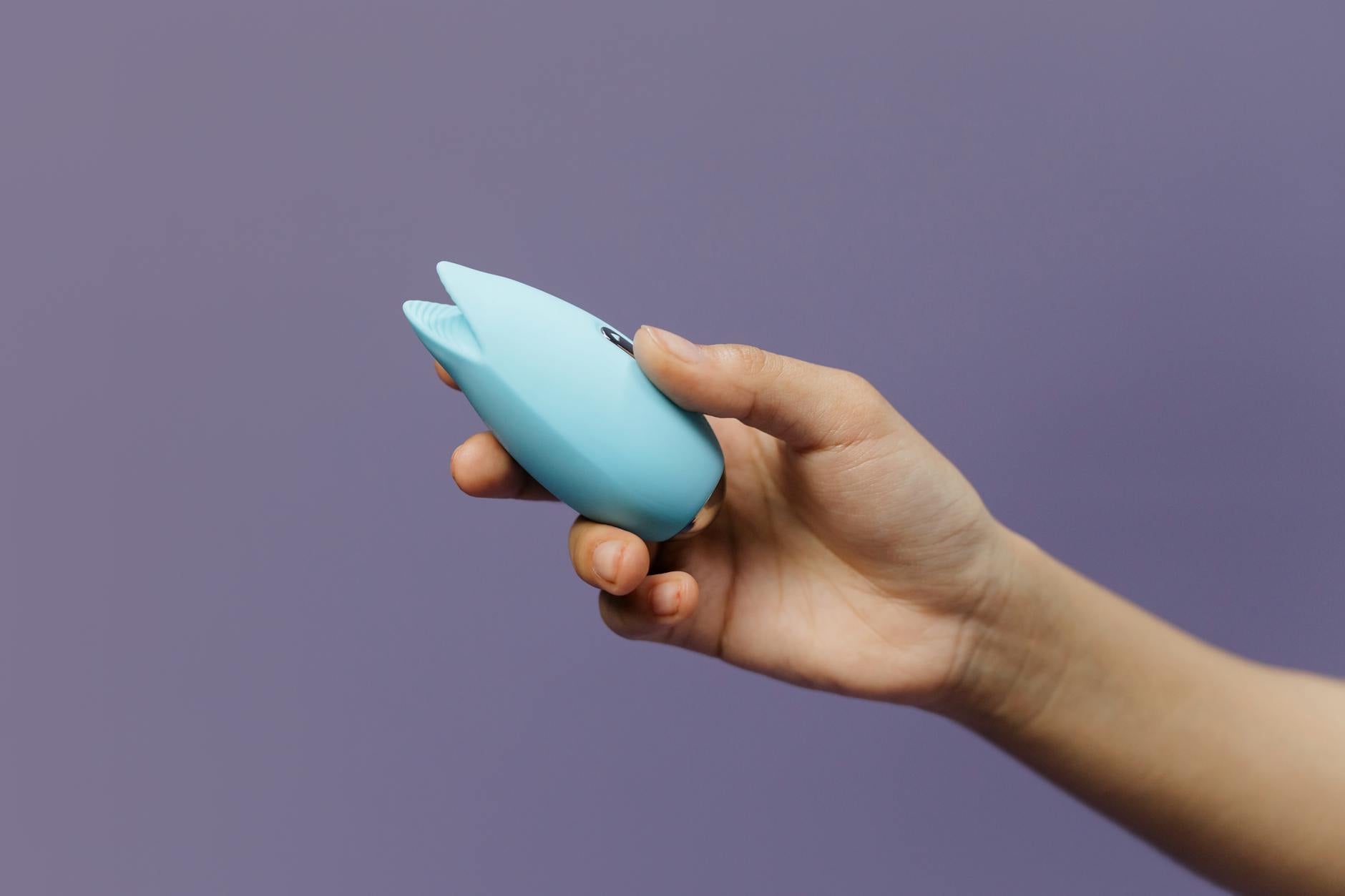
When pleasure becomes a duet instead of a solo
Let's be real. If you've spent the last few years discovering your body alone, introducing someone else into that experience feels like inviting them into something sacred. A lemon vibrator that's been your private conversation with yourself suddenly has an audience. That shift is bigger than it seems.
Here's what I see in my practice: people who've spent time single often become deeply intentional about their pleasure. You know what you like. You've built a rhythm, maybe experimented with a clitoral vibrator, figured out what works. Then a new partner arrives, and the instinct is either to hide it or to hand it over and hope they understand. Both approaches tend to backfire.
The good news is that a lemon vibrator can actually make this transition easier, not harder. The key is understanding what's changed and what hasn't.
What actually changes when you're not alone anymore
Three things shift when you move from solo to partnered pleasure:
Your mental presence changes. When you're alone, you're in charge of the entire experience. Arousal, pacing, intensity, timing. You answer to no one. With a partner, there's negotiation happening in real time, whether you're aware of it or not. Your nervous system is tracking their reactions, your own vulnerability, the rhythm between you.
Your body responds differently. This isn't failure. It's just neurology. When someone else is present, the part of your brain that monitors social threat (your amygdala) doesn't completely shut off. That can slow arousal. It can also, paradoxically, deepen it if you feel safe. A lemon clitoral vibrator helps bridge that gap because it takes the pressure off your partner to figure out your pleasure solo.
The narrative shifts. When you use a lemon vibrator alone, it's about you discovering what your body wants. When you use one with a partner, it becomes a story about trust and shared pleasure. Those are different conversations.
Starting the conversation before you use it together
The worst time to introduce a lemon vibrator is mid-intimacy when neither of you knows how to talk about it. The best time is when you're clothed and your nervous systems are calm.
Here's what to say: "I've been using a clitoral vibrator when I'm alone. I'd like to explore using it with you at some point. I'm not asking you to use it on me right away, but I want you to know it matters to me, and I'd like to know if you're curious." That's it. No apologies, no overexplanation.
Many new partners worry that a vibrator means they're not enough. So address that directly: "This isn't about you. It's about what my body needs. Using it together might actually feel really good for both of us." Then pause and let them respond. Don't fill the silence.
The first time using it together
I recommend starting without penetration. Just exploration. Get familiar with the lemon vibrator's patterns and sensations while your partner is present and touching you in other ways. They can touch your shoulders, your neck, anywhere that's not the area where the vibrator is working. That keeps the experience intimate without adding complexity.
Start at low intensity. If you normally use pattern 3 or 4 when alone, begin at 1 or 2 with them there. Your nervous system is processing more information, and the sensation can feel more intense even at lower settings. You need room to breathe into it.
If your partner wants to hold the lemon vibrator, let them try for a minute. But don't feel obligated to hand it over. Many people find it easier to maintain arousal when they're in control of the vibrator's position and pressure. That's not a rejection of your partner. That's information about what works for your body.
What your partner needs to understand (and what you might not know to tell them)
If you've been single for years and are now introducing lemon adult toys into partnered sex, your partner needs to know three things.
First: a lemon vibrator isn't a replacement for them. It's an amplifier. It makes your arousal faster and more intense, which usually translates to better sex for both of you. It's not about inadequacy. It's about mechanics.
Second: your pleasure matters as much as theirs. This is especially important if you've spent years focused on your own satisfaction. You might have the instinct to shift into partner-pleasing mode and lose yourself. A clitoral vibrator can actually help prevent that because using it keeps your attention on your own sensations. That's healthy.
Third: using a lemon vibrator together doesn't erase vulnerability. You might think adding a device makes sex less intimate. Usually the opposite happens. When you're focused on pleasure instead of performance, the whole experience deepens.
Building a new rhythm
After those first few times, you'll develop a pattern. Maybe your partner uses the vibrator on you sometimes. Maybe you use it on yourself while they're inside you. Maybe you use it during foreplay and then set it aside. There's no single right way.
What matters is that this becomes normal. It's not a special occasion tool. It's just part of how you have sex together. The more ordinary you treat it, the less weight it carries, and the more enjoyable it becomes.
One thing I notice with couples who navigate this well: they talk about it afterward sometimes. Not in a clinical way. Just "That felt good" or "I liked when you did that." Those tiny moments of feedback create safety. Your partner learns what works. You learn what they're comfortable with. The lemon vibrator becomes a language you're both learning together.
When old solo habits feel hard to let go of
Here's something nobody talks about: sometimes you'll want to use your lemon clitoral vibrator alone even though you're now partnered. That's completely fine. Solo pleasure and partnered pleasure are different things. They serve different purposes. You don't have to choose.
But if you're finding that you prefer solo pleasure significantly more than partnered pleasure, that's information worth exploring. Not because it means something is wrong with your relationship, but because it might mean your nervous system still feels safer alone. That's worth a conversation, maybe with a therapist, to understand.
The goal isn't to abandon solo pleasure. It's to expand your range so you can feel arousal and satisfaction both ways.
What changes in the long term
After months of using a lemon vibrator together, something shifts. It stops being novel. It becomes integrated. You might find that you need it less because your partner is learning your body more. Or you might find that you need it more because you've both gotten more comfortable asking for what you want.
Both patterns are normal. The key is that the vibrator stays in service of your pleasure, not in control of it. If you ever feel like you can't orgasm without it, or like you're dependent on it, that's worth checking in about. Usually that means something else is happening underneath. Maybe stress, maybe pressure from your partner, maybe disconnection.
A lemon vibrator is a tool. A good one. But it's not a substitute for the other work: communication, vulnerability, patience with yourself and your partner as you rebuild intimacy together.
People also ask
Should I use a lemon vibrator with a new partner right away or wait?
Wait until you've had a few sexual experiences together and your nervous system feels reasonably safe. Introducing a lemon clitoral vibrator into brand new sex adds complexity when you're still learning each other's bodies. Give it a few weeks, at minimum. That said, if your new partner asks about it or seems curious, there's no harm in exploring sooner. Go with your gut.
What if my new partner feels insecure about the lemon vibrator?
That's more common than you'd think. The narrative "if she needs a vibrator, I'm not enough" is deeply embedded in a lot of people. You can't logic someone out of that feeling, but you can build safety. Use the vibrator on yourself first while they're present and not involved. Show them it's part of your pleasure, not a replacement for theirs. Talk about what turns them on. Make it clear that their pleasure matters just as much. Over time, if they see that sex is better and more frequent with the lemon vibrator in the mix, insecurity usually fades.
Can I use a lemon vibrator during penetration with a new partner?
Absolutely. Many people find that a clitoral vibrator during penetration is the fastest route to orgasm. You might need to experiment with angles and positions to find what works. Some partners enjoy being inside you while you or they hold the lemon vibrator. Others prefer to use it before or after penetration. No universal rule. Just communication and experimentation.
Is it weird to ask my new partner to use the lemon vibrator on me?
Not weird at all. But you might frame it as a question rather than a request. "Would you be interested in trying to use this on me?" gives them an out if they're not ready. Some partners love having this kind of active role in your pleasure. Others prefer that you stay in control of the vibrator. Neither is wrong.
What if we've been together a while and I want to introduce a lemon vibrator now?
The conversation becomes slightly different. "I've been thinking about exploring this" is different from "I've been using this alone and want to share it." The principles are the same. But you might face more resistance if your partner has been unaware of your solo practice. Expect that. Normalize it. Remind them that this isn't about them. Then give it time.
How do I make sure a clitoral vibrator doesn't become a crutch in my new relationship?
Use it sometimes, not always. Pay attention to whether you're able to experience pleasure and arousal with your partner without it. If you are, you're fine. A lemon vibrator is a tool that can deepen pleasure, not a requirement. If you find yourself unable to orgasm without it, that's when to pause and explore what's underneath. Usually it points to stress, disconnection, or pressure to perform rather than an actual need for the vibrator.
Moving forward
Bringing a lemon vibrator into a new relationship after years of solo pleasure is less about the device itself and more about what it represents: your commitment to your own satisfaction and your willingness to be vulnerable with someone new. Those are big things. The vibrator is just the tool. You and your partner are the real conversation.
If you're navigating this transition and feeling uncertain, that's normal. Vulnerability with a new person always feels risky, even when they're trustworthy. Give yourself permission to move slowly. Check in with your body. Ask your partner questions. And remember that pleasure, shared well, creates connection. That's worth the awkwardness on the way there.
Want to talk through how this might look for your specific situation? Get in touch. We can work through what will feel right for you.