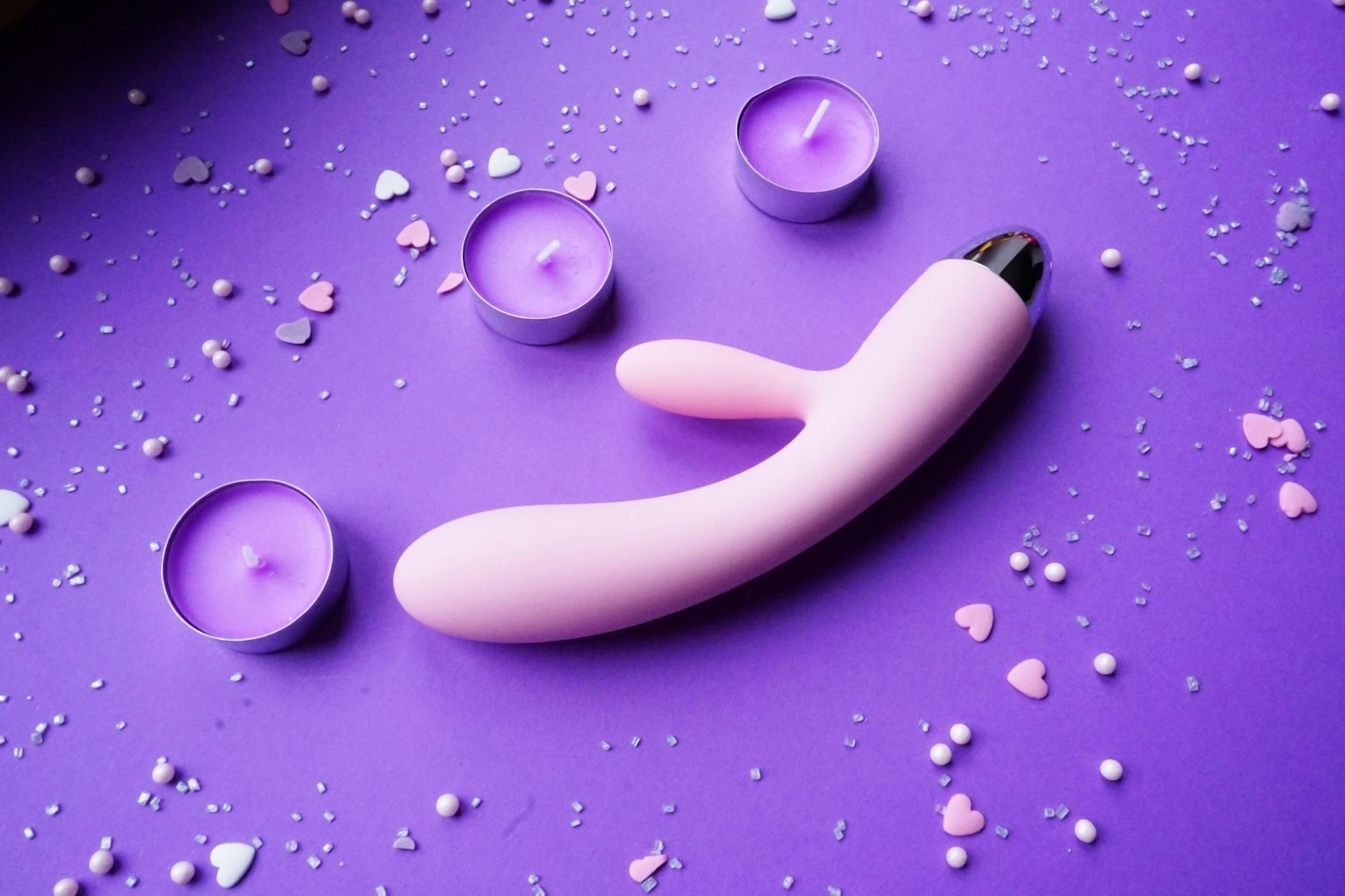
Let's start with the honest part
Most couples don't talk about toys before they appear in the bedroom. One person just buys one, or mentions it casually, and the other person reads the silence wrong. They assume it means something about their performance, or their desirability, or their relationship. None of which is actually true.
Here's the thing: introducing a lemon vibrator into partnered sex is one of the fastest ways to deepen intimacy, but only if you actually talk about it first.
The conversation nobody wants to have (but should)
Start outside the bedroom. Not during foreplay, not in the middle of sex, but over coffee or on the couch when you're both clothed and no one's agenda depends on the answer.
Use a sentence like one of these:
"I've been thinking about trying a clitoral vibrator together. I'm curious whether you'd be into exploring that."
"I read something about lemon vibrators and it got me thinking. Would you want to try one with me sometime?"
"I want to play with something new together. No pressure either way, but I wanted to ask."
Notice what these do: they frame the toy as a shared experience, not a criticism. They create space for a no without shame. They separate your desire from any judgment of your partner.
Your partner might say yes immediately. They might ask questions. They might need time to think about it. They might say no, and that's actually valuable information too. If they say no, the follow-up question is "What part feels uncomfortable?" Is it the toy itself, the idea of something new, a deeper worry about the relationship? Those are different conversations.
Why couples actually use lemon vibrators (hint: it's not what you think)
People assume toys are about "making up for" something a partner can't do. That's backwards.
Lemon vibrators in partnered play are actually about creating sensation that neither of you can create alone. A lemon clitoral vibrator uses suction and pulsing patterns that a hand or penis simply can't replicate. This isn't a replacement. It's an addition.
This distinction matters because it shifts the whole frame. You're not bringing in a toy because someone's failing. You're bringing in a toy because you both want to experience something neither of you can offer alone.
Second, toys give the receiving partner permission to be fully selfish about pleasure. In a lot of partnered sex, there's a cognitive load around your partner's experience, timing, comfort. A clitoral vibrator gives you a few minutes where your only job is to feel what's happening. Your partner watches. They're present. But the focus is genuinely on your sensation. That turns out to be weirdly connecting.
How to actually incorporate it
First time, keep it simple.
Set aside time specifically for this. Not as a surprise midway through sex, but as its own event. Tell your partner "Let's try this together" so there's no shock value.
Start with foreplay using hands and mouths as you normally would. When you're both aroused, introduce the toy. The receiving partner can hold it, or the partnered partner can. Either works, depending on the angle and comfort.
If using a lemon vibrator like the Lem, start at a lower pattern (usually 1-3 on most devices). You can always turn it up. Going too intense right away can feel overwhelming, and that's not the vibe you want for the first experience.
Keep talking. "Does this feel good?" "Want me to hold it differently?" "Should I go faster?" This isn't clinical. It's sexy. It also prevents the awkwardness of both of you wondering if the other person is enjoying this.
The partner who's watching is not just... waiting. Touch your partner's body. Kiss their neck. Stay present and connected while the toy is doing its job. This is what makes it partnered play instead of solo play that happens to occur next to someone.
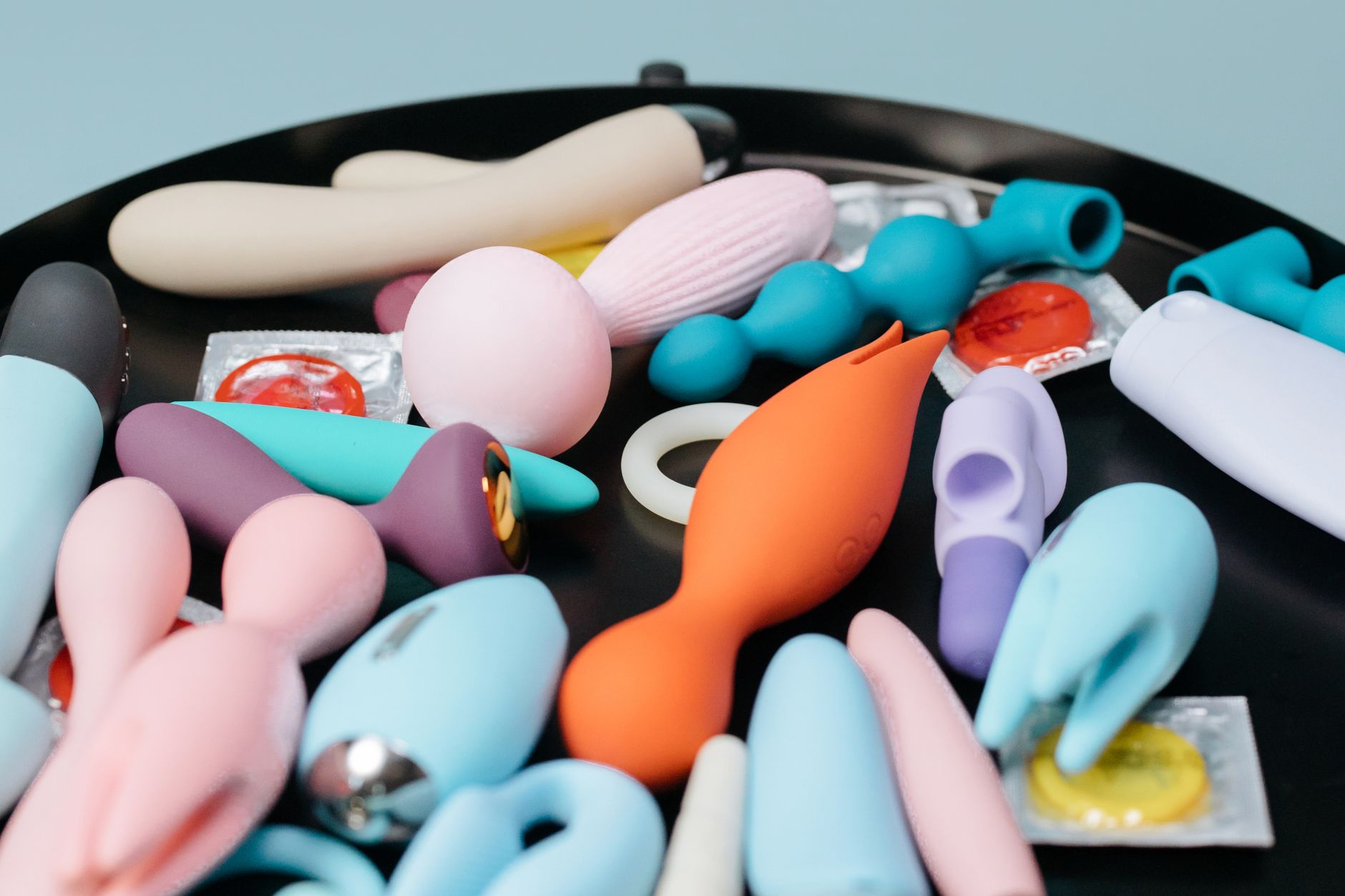
Photo by cottonbro studio on Pexels
The four things that kill this experience (and how to avoid them)
The first is performance anxiety. If you're the partnered partner watching, don't treat this like your job is now to figure out the perfect angle and pressure. You're not troubleshooting. You're participating. Let go of the idea that you need to be the architect of the experience.
The second is comparison. Do not think "Oh, the toy is faster than I can be" or "She's having a bigger orgasm with this than with me." That's the scarcity mindset talking. Pleasure isn't a pie. More sensation from one source doesn't mean less from another. A lemon clitoral vibrator creates a different kind of stimulus than your body can, which means it's not competing with you. It's complementing you.
The third is treating it like a destination. The goal isn't to have an orgasm from the toy. The goal is to spend time together exploring sensation. If an orgasm happens, great. If it doesn't, that's also fine. The moment you weaponize the toy as a way to "make it happen," you've lost the actual point, which is intimacy and curiosity.
The fourth is forgetting your partner's body. A lemon vibrator should enhance partnered sex, not replace it. You're still touching, kissing, moving together. The toy is part of the experience, not the entire experience.
What happens after the first time
Debrief. Not immediately after. But sometime in the next day or two, talk about it.
"How did that feel?" "Did you like it?" "Anything you'd want to change?" "Want to do it again?"
This is where couples either integrate toys into their regular play or realize it's not for them. Both are totally fine. But the conversation itself is what keeps intimacy growing.
If you do want to do it again, you might explore different patterns on the device, different positions, or even how a lemon vibrator works differently if you have sensitive skin.
Some couples find that using a toy together becomes a regular part of their sex life. Others try it once or twice and prefer their original rhythm. The research shows that couples who talk openly about desire and pleasure actually report higher satisfaction across the board. So even if the toy itself doesn't stick around, the conversation usually does.
When this gets complicated (and what to do about it)
Sometimes one partner is excited and the other is reluctant. If reluctance stays reluctance after you've asked questions, honor that. Pressure turns intimacy into obligation, and that's never the goal.
Other times, a toy triggers something deeper. Maybe your partner feels insecure about their body, or worried that you're losing attraction, or anxious about change. That's not really about the toy. It's about what the toy represents to them. Those conversations are worth having, possibly with a couples therapist who specializes in intimacy.
And sometimes, one partner wants to use toys during sex and the other wants them off-limits. That's a boundary to respect. You can explore toys in solo play and keep partnered sex in its original form. Pleasure isn't one-size-fits-all.
FAQ
Can we use a lemon vibrator if we've never talked about toys before?
Yes, but have the conversation first. The "no surprise toys" rule actually strengthens intimacy because it creates room for genuine choice. Bring it up casually when you're both relaxed. Most partners say yes or "let me think about it," not no. And if they do say no, that's valuable information you'd rather have now than discover during sex.
Does using a vibrator mean my partner isn't satisfied with me?
No. A clitoral vibrator creates a specific kind of stimulation that a human body can't replicate, and that's the whole point. It's not about you being insufficient. It's about you both wanting to experience something new together. The presence of a toy is actually a sign that you're curious and open, not a sign that something's missing.
What if I get jealous watching my partner use a toy?
That's real, and it's worth examining. Jealousy often means something underneath feels threatened. Is it your sense of desirability? Your role in the relationship? Fear that your partner will prefer the toy to you? Those are all different things that need different approaches. Talk to your partner about what's actually coming up for you. Sometimes just naming it softens it.
How do we avoid it feeling clinical or awkward?
Keep touching. Keep talking. Keep your sense of humor. If something doesn't work, laugh about it and try something else. The awkwardness usually comes from trying to perform or trying to make it "perfect." It's not a performance. It's just two people exploring pleasure together. That's inherently intimate.
Is it normal to not be able to orgasm the first time we try this?
Completely. New sensation takes adjustment. Your brain is processing something different, you might be nervous, the angle might not be quite right. Try a few times before you decide whether you like it. And remember, orgasm isn't the only measure of good sex. Connection, pleasure, and curiosity matter more.
What if we try it and hate it?
Then you don't do it again. You've learned something about yourselves and your preferences. That's actually useful information. Some couples are toys people, some aren't. Both are normal. What matters is that you explored together, talked about it, and made a choice as a team.
The bottom line
Introducing a lemon vibrator into partnered play isn't about fixing something broken. It's about getting curious together. The conversations you have before, during, and after matter way more than the toy itself. Start by talking. Stay present. Keep touching. And remember that pleasure shared is always deeper than pleasure pursued alone.