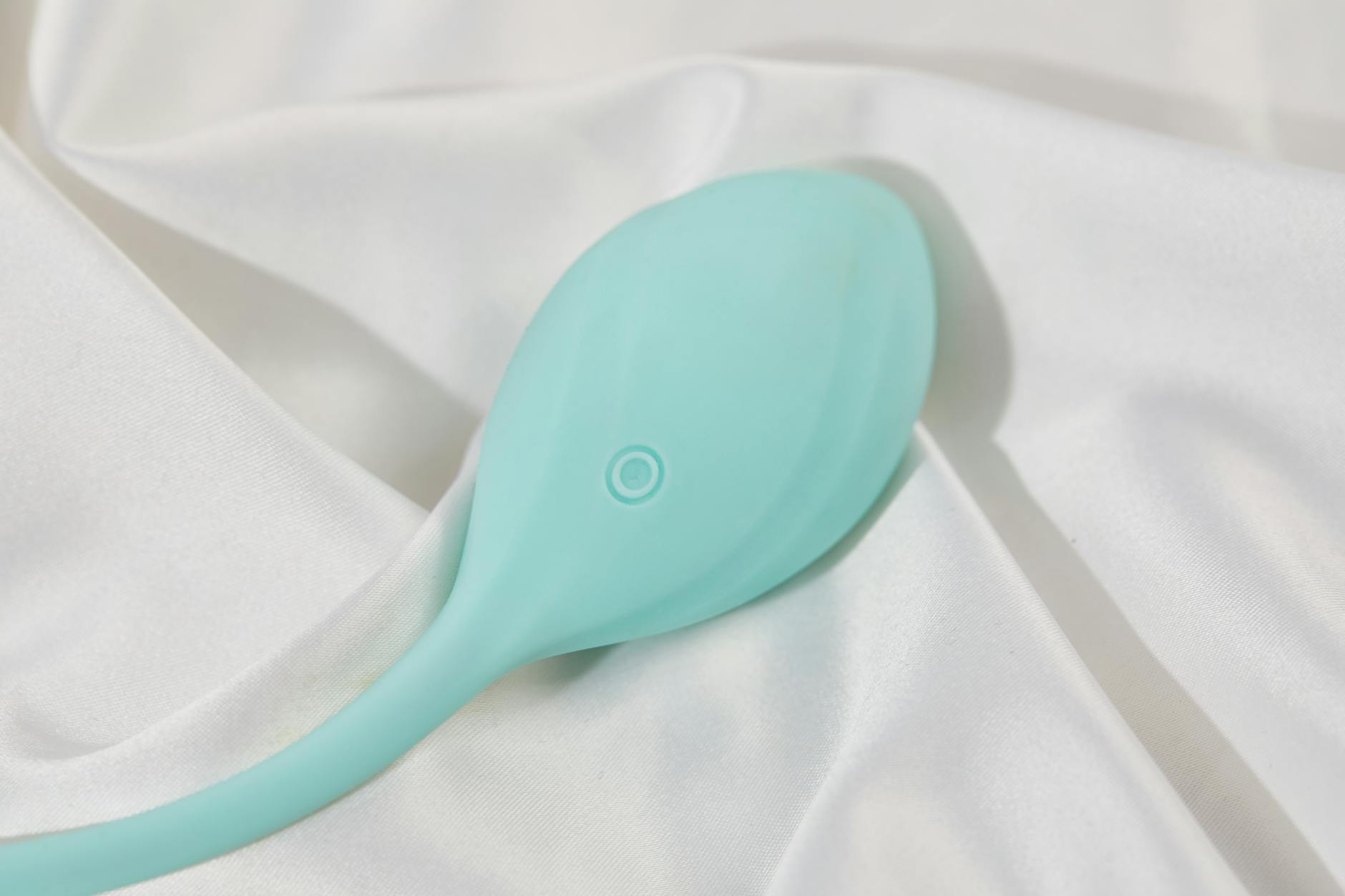
Let's talk about the muscle nobody mentions
Your pelvic floor is a hammock of muscle that holds your bladder, uterus, and bowel in place. When it's relaxed, pleasure flows. When it's tense, everything locks down. The problem is that pelvic floor tension is wildly common and wildly misunderstood. Most people don't even know they have it until they try to have sex and something feels tight, blocked, or impossible.
Here's the thing: tension doesn't mean weakness. It means your muscles are stuck in a protective grip. And a clitoral vibrator like the Lem can actually help release that grip, but only if you use it the right way.
Why your pelvic floor tightens in the first place
Pelvic floor tension comes from three main sources. First, chronic stress and anxiety literally cause your muscles to clench down there the way they do in your shoulders. Second, past sexual or medical trauma teaches your body to protect itself by bracing. Third, repeated kegels (those squeeze-and-release exercises) can actually make things worse if you're already tight. You end up strengthening an already contracted muscle.
The irony is that most pelvic floor advice online is backwards for people with tension. You don't need more squeezing. You need release.
When your pelvic floor is stuck in tension, sensation doesn't transmit properly. The muscles are too busy gripping to feel anything good. Orgasm becomes difficult or impossible because your body is literally blocking the neurological pathway to climax.
How a clitoral vibrator fits into the solution
A lemon vibrator works differently than other toys because it uses suction rather than vibration alone. Suction creates a gentle, sustained pressure that communicates to your nervous system: "It's safe to let go." It's not aggressive enough to trigger your protective reflex, which means your pelvic floor has a chance to actually relax.
When you pair suction stimulation with conscious breathing and release, something shifts. The gentle pressure combined with your attention to your body creates an opportunity for the muscles to downregulate. You're not forcing relaxation. You're inviting it.
This is different from using a vibrator when you have pelvic floor dysfunction. A clitoral vibrator addresses the tension from the outside while you work on the inside with breath and awareness.
Setting yourself up for success before you start
Environment matters more than you think. Your nervous system needs to feel safe in order for your pelvic floor to release. That means lighting you like, temperature that feels good, privacy that's real (not just hoped for), and time that isn't rushed.
Before you even touch yourself, spend two minutes breathing into your belly. Breathe in through your nose for four counts, hold for four, exhale through your mouth for six. This activates your parasympathetic nervous system, which is the "rest and digest" mode where relaxation happens. Your pelvic floor follows your breath. If you're tense, it's tense.
Wear something comfortable or nothing at all. Tight clothing, especially around the hips or thighs, can reinforce pelvic floor tension. Give your body room to soften.
The positioning that helps most
Position matters when you have pelvic floor tension because some positions naturally encourage release while others reinforce gripping. Semi-reclined is usually best. Lie on your back with a pillow under your hips and another under your head, so you're tilted back slightly but still able to see what you're doing.
Alternatively, sit in a comfortable chair with your legs spread wide and knees relaxed outward. This open hip position signals to your pelvic floor that it doesn't need to protect anything right now.
Avoid positions where your legs are squeezed together or your hips are hunched forward. Those positions unconsciously reinforce the protective tension you're trying to release.
The breathing technique that changes everything
This is where the magic happens. Once you're positioned, place your lemon clitoral vibrator on the lowest setting against your clitoris. Don't move it around yet. Just hold it there while you breathe.
Inhale slowly through your nose. As you inhale, imagine breathing directly into your pelvic floor. Visualize your muscles softening, your vagina opening, your entire pelvic bowl relaxing. Then exhale through your mouth with a gentle sigh or hum. Feel the release as you breathe out.
Do this for eight to ten breaths before you increase intensity. Your pelvic floor needs time to recognize that it's safe. Rushing defeats the entire point.
Once your body feels softer, you can slowly increase the intensity to pattern two or three on your lemon vibrator. Keep breathing. Many people find that sensation increases dramatically once the pelvic floor lets go. You might suddenly feel things you've never felt before, which can be shocking and wonderful.
What to expect as your pelvic floor releases
Sensation often comes in waves. You might feel numbness shift into tingling, then into warm spreading pleasure. Your muscles might involuntarily twitch or release. This is normal. Your nervous system is learning that it's safe to feel.
Orgasms might feel different than you expect. With a tight pelvic floor, orgasms are often shallow or impossible. As the tension releases, you might experience deeper, more full-bodied orgasms that involve your whole pelvic floor, not just surface sensation. Some people cry. Some laugh. Some feel nothing and gradually develop sensation over time. All of it is right.
Don't chase the orgasm. That's counterproductive when you have pelvic floor tension because the moment you goal-seek, you tense up again. Instead, focus on the sensation and the breath. If orgasm comes, great. If it doesn't, that's also great because you're still teaching your pelvic floor to release.
The one mistake most people make
Trying to use a clitoral vibrator as a quick fix instead of a tool for a longer process. Pelvic floor tension usually takes time to develop, and it takes time to release. Some people notice relief in a few sessions. Others need weeks or months of consistent practice.
Also, don't combine vibrator use with Kegels or pelvic floor exercises designed for strengthening. If you have tension, you need release first, strengthening later. Mixing them is like trying to stretch a muscle that's already knotted up. You need to undo the knot first.
When to see a pelvic floor specialist
If pain is present, or if sensation doesn't improve after a month of consistent, mindful use with a clitoral vibrator, see a pelvic floor physical therapist. They can assess whether you have tension, weakness, scar tissue, or a combination, and prescribe the right intervention. Sometimes a lemon vibrator is part of the solution. Sometimes you need hands-on therapy or biofeedback first.
Sex shouldn't hurt. Pleasure shouldn't feel blocked. A clitoral vibrator is a tool that can help, but it's not a replacement for professional care if something is truly stuck.
Making it a sustainable practice
Once your pelvic floor starts to release, the key is consistency. Using your lemon sexual toy twice a week with full attention is more effective than using it daily while distracted. Your nervous system needs to learn the pattern: safety, breath, release, pleasure.
Over time, this practice rewires your relationship with pleasure. Your pelvic floor learns that it doesn't need to grip during sex. Your nervous system learns that sensation is safe. Your entire experience of arousal and orgasm can shift.
This isn't just about the vibrator. The vibrator is the vehicle. The real work is the breath, the attention, and the willingness to let your body relax. That's what makes a lemon vibrator different from any other adult toy when you're dealing with pelvic floor tension.