When work stress kills the mood, everything else breaks too
Let's be real: you're not avoiding sex because you don't love your partner. You're avoiding it because you have seventeen unread emails and a project deadline looming, and your nervous system is in fight-or-flight mode. Your partner feels it too. And the moment one of you initiates, guilt floods in because you both know you should want this, but wanting requires bandwidth you don't have.
This is the pattern I see most often in my practice with couples navigating demanding careers and life phases. Work stress doesn't just steal time from your sex life. It rewires your entire relationship dynamic. You stop touching casually. Conversations become logistics. Resentment creeps in.
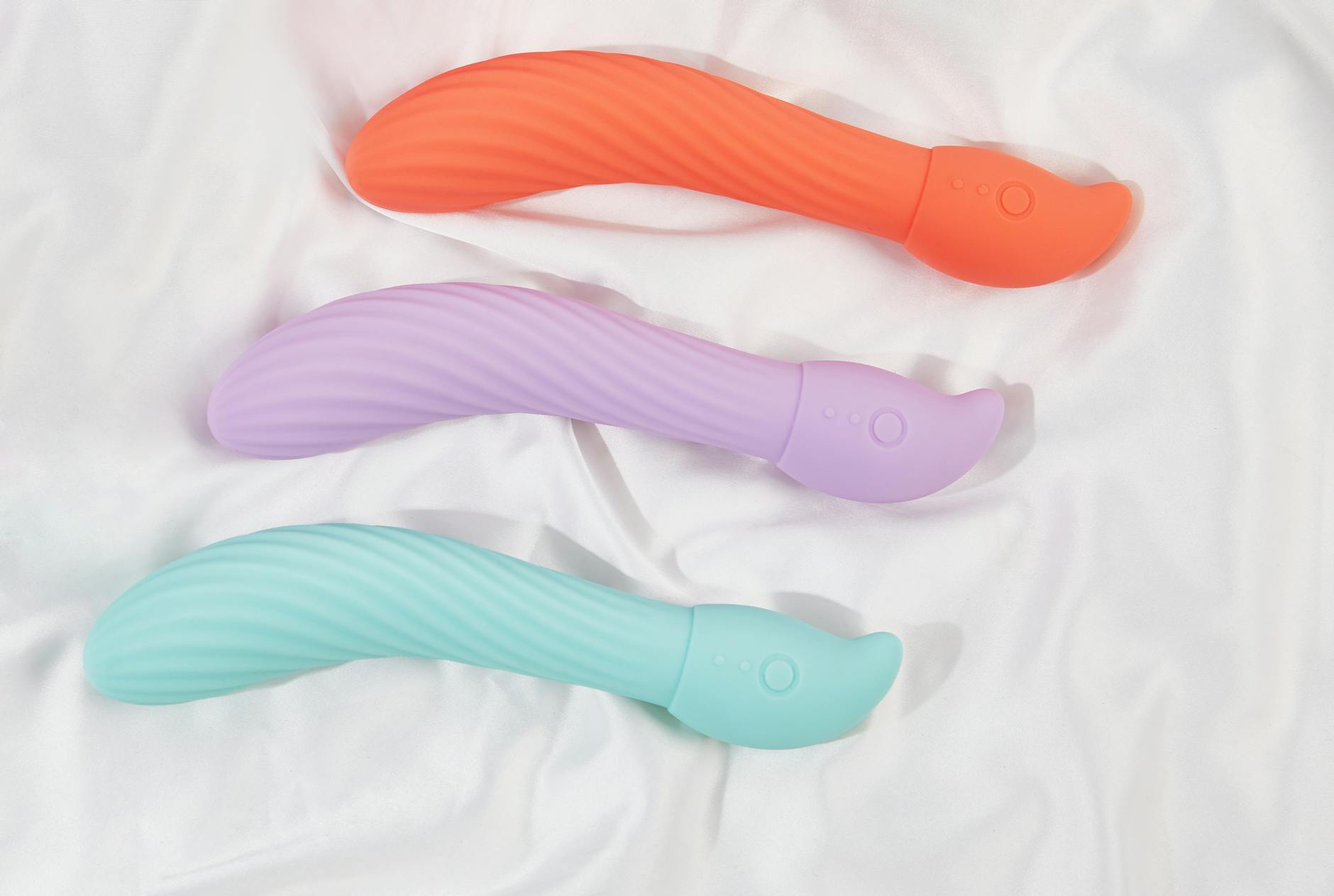
Here's what a lemon vibrator does differently. It removes the expectation of a full, elaborate sexual encounter. Instead, it creates a form of intimate touch that feels manageable, connective, and surprisingly restorative. Not as a replacement for deeper intimacy, but as a bridge back to it.
The neurobiology of why stressed couples disconnect
When your nervous system is flooded with cortisol from work stress, your brain literally deprioritizes pleasure. The arousal centers go quiet. Couple that with exhaustion, and your body is saying no before your mind even engages with the question. Your partner is experiencing the exact same thing. Neither of you is rejecting the other. You're both just surviving.
This is why traditional sex advice fails here. "Just make time" and "schedule it" work when the issue is priority. They fail when the issue is neurological depletion. You can't will yourself into arousal when your adrenal system is shot.
A lemon vibrator bypasses that problem because suction-based stimulation works differently than conventional vibration. It activates pleasure pathways with less cognitive demand. You don't need to be in full arousal mode to experience sensation. Your body can respond even when your mind is half-checked out. And paradoxically, that permission to half-check out is often what allows you to fully arrive.
Starting small when you're both depleted
First principle: forget the full-sex-encounter expectation. You're not aiming for an orgasm necessarily. You're aiming for five to ten minutes of shared physical presence without your phones, without a to-do list running in the background, without performance pressure.
Set a time. Not "whenever," which means never. Actually block it. Tuesday at 8 p.m., Sunday morning. Something predictable enough that your brain doesn't treat it as negotiable. When you know it's coming, you can actually mentally prepare instead of being ambushed by desire you don't have.
Start clothed. Seriously. Lie together, one of you focusing on the other's pleasure while staying dressed. This removes a layer of vulnerability that stressed brains resist. You can keep a shirt on. You can be under the covers. The goal is sensation and attention, not exposure.
Introduce the lemon vibrator gradually. Start at setting one or two. There's no rush to intensity. The suction design of devices like the Lem means even the gentlest setting can feel incredible because it's creating a different kind of stimulation than your partner's touch alone. It's novelty without effort.
Reframing pleasure as stress relief, not another task
Here's the mindset shift that changes everything: this isn't foreplay leading somewhere. It's not supposed to end in sex. It's a standalone form of connection. That removes the pressure immediately.
One partner uses the lemon vibrator on the other for five minutes. Then you stop. You cuddle. You stay present. You don't move into penetration or anything else unless it naturally evolves and you both want it. Most of the time it won't, and that's perfect.
Why? Because your nervous system registers this as play, not performance. Play is what stressed brains need. Play is what rebuilds intimacy when work has stripped it away. When you're not chasing an outcome, your body can actually relax enough to feel pleasure.
This reframing also redistributes power. When you're both overwhelmed, traditional sex can feel like one person's responsibility (usually the higher-desire partner chasing the lower-desire one). A lemon vibrator makes it mutual and lower-stakes. One person gets to receive without guilt. The other gets to give without strain. Then you switch roles or you don't.
The practical mechanics when you have fifteen minutes max
Three scenarios:
Scenario one: You both have energy but no time. One of you receives clitoral stimulation for five to eight minutes while the other partner is fully present, hand on their chest or neck, making eye contact. The receiving partner can move toward orgasm or not. Then you switch or you cuddle. Total time: ten to fifteen minutes.
Scenario two: One person has energy, one is mostly depleted. The energized partner receives first. The other one provides, which often activates their own arousal through giving. Then when they've given, they can receive gently without pressure to reciprocate immediately.
Scenario three: You're both barely conscious. Lie together. One person holds the lemon vibrator against the other's clitoris on the lowest setting while you both stay mostly clothed, mostly quiet. This isn't about sensation. It's about regulating your nervous systems together. Sometimes that's enough.
Why a lemon vibrator specifically helps when you're stressed
The suction mechanism is gentler than oscillating vibrators for exhausted bodies because it doesn't require the same kind of muscular engagement to feel good. Stressed muscles are often tense. High-frequency vibration can feel jarring or overstimulating. Suction feels like sustained, gentle pressure. It's easier to relax into.
The design is also aesthetically low-key, which might seem trivial but isn't. When you're already carrying stress, a toy that looks clinical or intimidating adds mental load. The Lem resembles something from a kitchen rather than a sex dungeon, which sounds silly until you realize how much cultural baggage we carry around "proper" sexual objects. Removing that friction removes another barrier to engagement.
And practically, lemon clitoral vibrators are cordless and fast to charge. You're not hunting for batteries or fumbling with tangled cords when you have eight minutes before sleep. Logistics matter when your bandwidth is shot.
The emotional work underneath the physical one
Here's what I tell couples in my practice: reconnecting through a lemon vibrator only works if you're also doing the emotional work. That means acknowledging out loud that you're both overwhelmed. That means saying, "I want to stay connected to you, and I know we're both fried." That means agreeing that this isn't a solution to work stress. It's a way of maintaining the relationship while you both handle the actual stress elsewhere.
If you're using this as a band-aid for a relationship problem that existed before work got busy, it won't fix that. If you're using it as a way to avoid conversations about division of labor or resentment, it'll create more distance. The vibrator is a tool. The relationship work is the real thing.
That said, when you're both actually trying and just need a way to feel close without the pressure of "full sex," this becomes profoundly healing. Touched. Seen. Present. Those are the things that dissolve when work takes over. A lemon vibrator gives you a frame to practice those again.
When to push back on stress and when to adapt
If you're never having time for intimacy, the issue isn't the vibrator. The issue is boundaries around work. But while you're setting those boundaries, while you're finding your way to a pace that leaves room for each other, a lemon clitoral vibrator keeps the door open. It prevents the resentment spiral where you stop touching at all, and touching is the only thing that rebuilds trust when stress has fractured it.
Watch for patterns too. If you're consistently too exhausted, that's information. Your body is telling you something needs to change. A hello nancy lemon vibrator can help during the transition, but it's not a long-term solution to being overworked. Use this time of lighter intimacy to actually address the load that's crushing you both.
FAQ
How do we introduce a lemon vibrator to our sex life without it feeling awkward?
Start outside the bedroom. Honestly, just say it: "Hey, I found this thing that might feel good for us both. No pressure, just want to try it." Hand it over. Let them see it, hold it, ask questions. The awkwardness shrinks when you treat it as casually as buying a new brand of lube. Most people's hesitation is about the unknown, not the object itself.
Is using a lemon vibrator going to make my partner feel inadequate?
Not if you frame it correctly. This isn't about your partner's touch being insufficient. It's about adding a tool that works differently. The suction sensation is something no fingers can replicate, so it's not a comparison. In fact, most couples find using a lemon vibrator together increases desire for other types of touch because it reactivates the entire pleasure system. Make that explicit: "This makes me want you more, not less."
Can we use a lemon vibrator if we're too tired to have regular sex?
Absolutely. That's literally the point. You don't need much energy to receive five minutes of clitoral stimulation while your partner holds you. And research shows that even brief, regular intimate touch reduces cortisol and increases oxytocin. So this actually helps your nervous system recover from work stress, which can eventually restore your libido. It's not a workaround forever, but it's a bridge when you need one.
What if only one of us is interested in using a lemon vibrator?
That's fine. But explore why. If it's genuine preference, great. If it's discomfort or worry about the relationship, talk about that. Sometimes a partner's resistance to shared pleasure reflects something deeper about safety or connection that a vibrator didn't cause but might illuminate. Worth investigating, not just accepting.
How often should we use a lemon vibrator when we're both overwhelmed?
Once a week minimum to maintain connection. More if you want. The rhythm matters more than the frequency. Once you've committed to a weekly fifteen-minute window, your nervous systems relax because they know it's coming. That alone shifts your dynamic. You stop feeling like you're failing each other. You start feeling like a team managing a hard season.
Can a lemon vibrator actually help rebuild intimacy after burnout?
Yes, with caveats. It creates a low-pressure way to touch and be touched when everything else feels like another demand. That's restorative. But the real rebuilding happens when you use that reconnection to start conversations about what got you into this place and what needs to change. The vibrator opens a door. You still have to walk through it.
Your pleasure matters, even during hard seasons
Couples in high-stress phases often deprioritize sex thinking it's a luxury they can't afford. But research from my own practice and decades of couples therapy shows the opposite. Physical intimacy is the thing that actually holds relationships together when everything else is pressured and difficult. Not because sex is magical, but because it's the one place where you're not solving problems or meeting obligations. You're just present with each other.
A lemon vibrator doesn't solve work stress. It doesn't create more time or reduce your workload. But it gives you a frame to stay connected while you're handling the real stuff. And connection is what you need most when everything else is breaking.
If you want to explore ways to maintain intimacy during demanding periods, we're here to help. Reach out to Hello Nancy to chat through what might work for your situation.