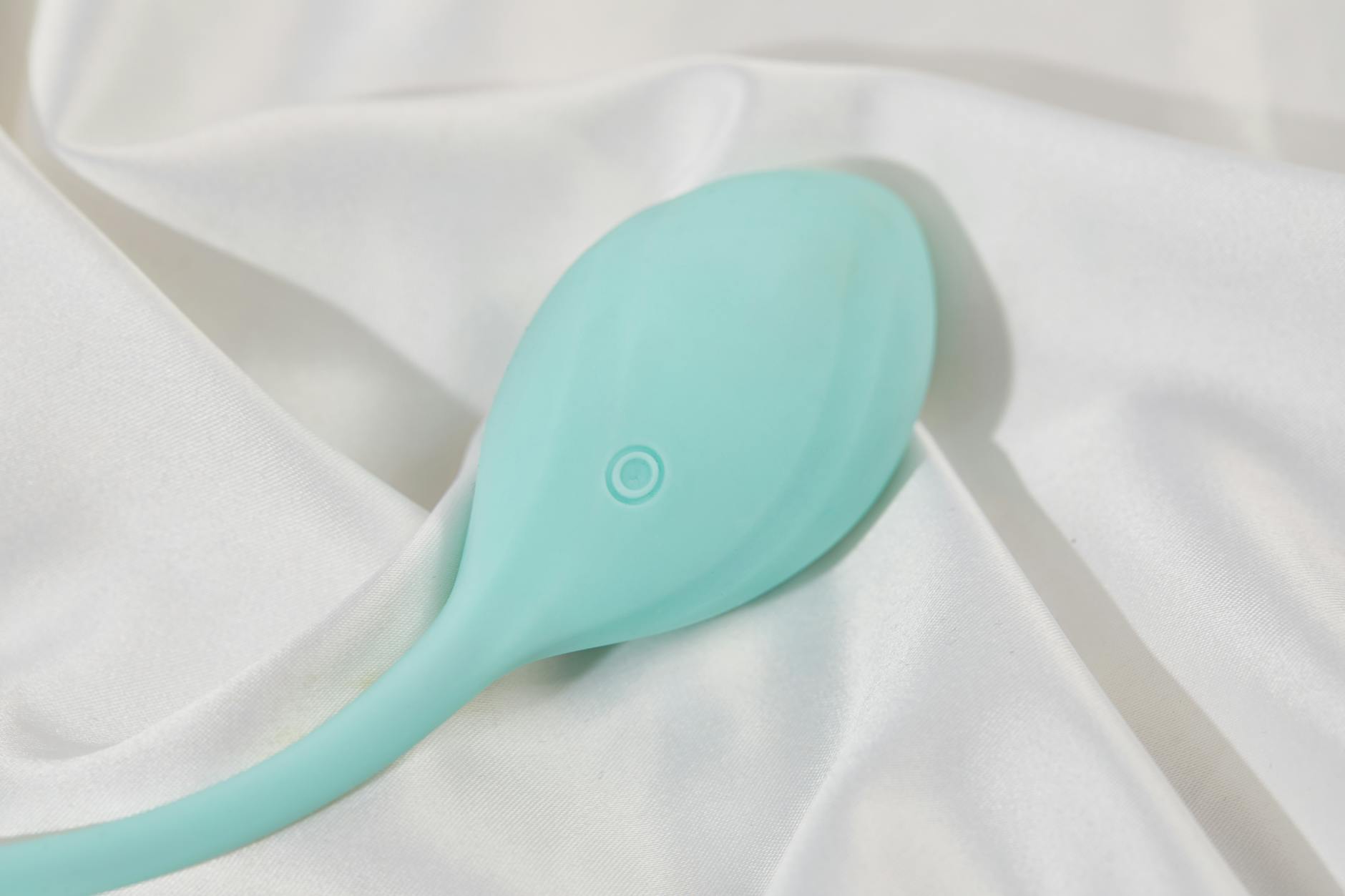
Let's talk about pleasure during pregnancy
Pregnancy rewires your body in ways nobody warns you about. Your breasts swell. Your hormones spike. Your clitoris becomes more sensitive. And suddenly, the question that never seemed complicated before—can I use my lemon clitoral vibrator—becomes something you're googling at 2 a.m. in a panic.
Here's the straight answer: yes, you can use a lemon vibrator during pregnancy. But the experience might feel different, and a few things are worth knowing first.
What actually happens to your body when you're pregnant
Your entire pelvic region floods with blood during pregnancy. More blood flow means more sensitivity, which for many people means faster arousal and more intense sensations. The tissues swell, the clitoris becomes more prominent, and what used to take ten minutes now takes three.
This is not a flaw. This is your body preparing itself—and yes, this applies to pleasure too.
At the same time, your skin becomes more sensitive overall. If you've ever noticed that skincare products that worked fine before pregnancy suddenly feel irritating, that's the same hormonal shift affecting your entire body, including the delicate tissues involved in sex and pleasure.
Is using a lemon vibrator actually safe during pregnancy
The short answer: safe for the vast majority of pregnancies, yes.
The longer answer requires understanding what could theoretically be a risk. Vibration itself doesn't harm a pregnancy. The fetus is cushioned in amniotic fluid and deeply protected by the uterus. Orgasm won't trigger contractions in early pregnancy. The lemon suction vibrators like the Lem work through gentle suction and pulsation on external tissue only—they don't penetrate deep into the uterus.
That said, a few people should check with their doctor first. If you have a history of miscarriage, placental complications, or your care provider has mentioned anything about pelvic rest, ask before using any vibrator. If you're carrying multiples or have had preterm labor warning signs, same conversation applies.
The reason isn't that vibrators cause harm—it's that your doctor knows your specific pregnancy risk profile, and you deserve personalized guidance.
How comfort changes (and what to do about it)
Most pregnant people report that their favorite vibrator feels different during pregnancy. Not worse necessarily. Different.
Three common shifts: sensitivity increases dramatically, so you might need to start on lower settings than you used to. Orgasms themselves can feel more intense but also sometimes shorter or more concentrated. And your body's shape changes, which means angles that always worked before might need adjusting.
Here's what I recommend to clients navigating this:
Lower settings first. If your lemon vibrator has intensity levels, start at level one or two. Your heightened sensitivity is a feature, not a bug—you'll likely reach orgasm faster than ever. The temptation to push to higher settings because you're chasing the same sensation you knew before will only result in overstimulation.
Experiment with positioning. Your belly is bigger, your balance is different, and what felt natural at three months pregnant feels impossible at eight months. Lying on your side, kneeling, or sitting up might work better than positions that felt intuitive before. This isn't about limitation. It's about finding what feels good in this new version of your body.
Use lube even if you never needed it before. Pregnancy hormones sometimes mean less natural lubrication despite all that extra blood flow. Water-based lube keeps everything comfortable and reduces friction on sensitive tissues. It's not a sign something's wrong. It's just pregnancy being pregnancy.
Keeping physical intimacy alive with your partner
Pregnancy changes the dynamic between partners in ways that ripple beyond sex. You're vulnerable in new ways. Your body is doing something your partner isn't directly experiencing. And pleasure suddenly feels loaded with questions: Is this okay? Will this hurt the baby? Does my partner still find me attractive?
I work with a lot of couples navigating this, and here's what I've learned: the vibrator isn't the problem or the solution. It's neutral technology. What matters is the conversation.
If you want to use your lemon clitoral vibrator during pregnancy and your partner is anxious about it, that anxiety usually isn't about the vibrator. It's about fear of hurting you or the baby, or about feeling sidelined in intimacy, or about the weight of impending parenthood. Those conversations need to happen separately from the mechanics of sex.
Using a device like the Lem can actually serve couples well during this time because it gives you something to do together that doesn't require the penetration that might feel riskier to a nervous partner. Suction vibrators focus on external pleasure, which means less pressure on your cervix and lower risk perception for the anxious partner—which often translates to them actually relaxing enough to be present.
When to pause and talk to your doctor
Bleeding, cramping, or any kind of pain during or after sex is worth reporting to your care provider. Pregnancy is the time to ask the questions that feel paranoid because they're not paranoid—they're you listening to your body.
If you're in the third trimester and your doctor has mentioned that orgasms trigger contractions, you're approaching your due date, or there's any concern about preterm labor, pause on the vibrator and stick to touch without devices. The risk isn't huge, but your doctor's specific concern about your body matters more than any general guideline.
Pleasure isn't selfish during pregnancy
One thing I tell every pregnant person: your pleasure matters. Not because it's fun (though it is). Because maintaining your sense of yourself as a person with desires and a body that feels good is part of maintaining your mental health during a massive transition.
Pregnancy can feel like your body stops being yours. You're a vessel. You're growing something. Your comfort becomes secondary. But the ability to access your own pleasure, to feel your body respond, to experience orgasm—that's you reclaiming your agency in a time when agency is easy to lose.
Using your lemon vibrator during pregnancy, if it feels good and if it's medically safe for you, isn't indulgent. It's self-care in the realest sense.
Common questions people actually ask
Can a lemon vibrator cause miscarriage?
No. Vibration itself doesn't cause miscarriage. Miscarriage is caused by chromosomal issues, infections, clotting disorders, or (rarely) physical trauma. A lemon suction vibrator—which applies gentle suction to external tissue—does not deliver the kind of force that would harm a pregnancy. That said, if your specific pregnancy has risk factors, your doctor should weigh in.
Will using a lemon clitoral vibrator trigger early labor?
Orgasms in early and mid pregnancy don't trigger labor. In late pregnancy (third trimester), there's theoretically a tiny risk that orgasms could trigger Braxton-Hicks contractions, which are practice contractions but not labor. If you're past 36 weeks and your doctor has warned you about preterm labor risk, skip the vibrator. Otherwise, you're fine.
Does my partner need to avoid using the lemon vibrator on me during pregnancy?
No restrictions based on the vibrator itself. If your partner is using it on you, make sure the device is clean, they're starting low and slow with intensity, and you're communicating constantly about what feels good. The main shift is your increased sensitivity, not a safety concern with the device.
Can I still have orgasms during pregnancy if I use a vibrator?
Most people report that orgasms during pregnancy are easier to reach and sometimes more intense. The increased blood flow and heightened nerve sensitivity actually work in your favor. If anything, you might reach orgasm faster on your lemon vibrator during pregnancy than you did before.
What if I didn't use vibrators before pregnancy—can I start now?
Yes. Pregnancy is actually a decent time to explore because the heightened sensitivity means you'll likely feel sensation more clearly. Start on the lowest setting, use plenty of lube, and give yourself permission to go slow. If it feels good, great. If it doesn't, you can always wait until postpartum.
Is there any chance the vibrations could hurt the baby?
No. The baby is surrounded by amniotic fluid and protected by the uterine wall. Vibrations from an external clitoral device simply don't reach the fetus. The only theoretical concern is if orgasms triggered contractions in someone at actual risk of preterm labor—but that's about contractions, not the vibrator.
The bigger picture
Your body during pregnancy is strange and powerful and entirely yours, even though it doesn't always feel that way. Using a lemon vibrator—or any sexual device—during pregnancy isn't about ignoring the massive transition happening. It's about staying connected to the parts of yourself that existed before you were pregnant and will exist after.
Your pleasure matters. Your desire matters. Your body's capacity for sensation and orgasm matters. And pregnancy doesn't change that.