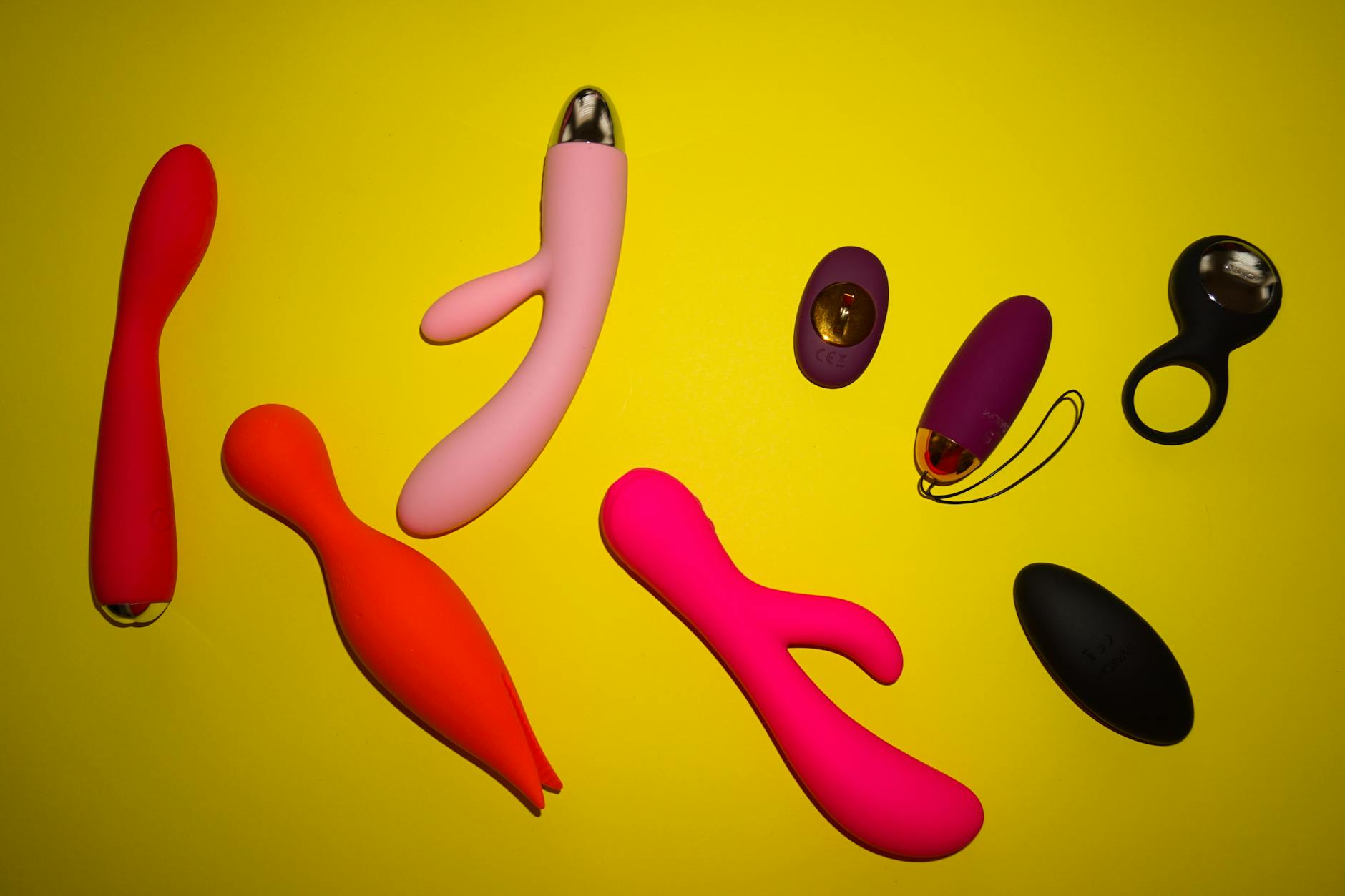
The shift nobody warns you about
Your vibrator suddenly feels like a jackhammer.
It's not broken. You're not broken either. But something changed, and now the toy that worked for years feels too intense, almost painful. You might be dealing with hormonal shifts from birth control changes, perimenopause, medication side effects, or even natural cycle fluctuations. What matters is that direct vibration on the clitoris now feels raw instead of good.
Here's what's actually happening physiologically, and why a lemon clitoral vibrator with suction technology solves this in a way traditional vibrators can't.
Why direct vibration stops working
Your clitoris has roughly 8,000 nerve endings packed into a space smaller than a pea. When estrogen and progesterone drop (or shift suddenly), the skin over and around the clitoris becomes thinner and more sensitive. The tissue underneath becomes more reactive to mechanical friction.
This isn't desensitization. It's the opposite. You've become hypersensitive.
That buzzing vibrator that used to feel like pleasure now registers as overstimulation because the nerve endings are more exposed. Direct percussion hits those nerves at full force. After ten seconds, your body tenses up defensively. Your arousal stalls. The whole experience becomes frustrating instead of enjoyable.
Meanwhile, your brain hasn't changed. Your capacity for pleasure is still there. The neural pathways are fine. But the mechanical approach that worked before now works against you.
How suction technology changes the game
Let's talk about lemon vibrators, specifically air-suction devices like the Lem. Instead of vibrating directly against the clitoris, suction stimulates the entire clitoral complex, including the glans, the visible tip, and the internal structures underneath the surface.
When you apply gentle suction, you're creating a pressure wave that travels through tissue rather than percussive hits that impact the surface. The sensation feels like a soft pulse rather than a buzz. The pleasure builds from the inside out instead of rattling the nerve endings on the outside.
For someone dealing with hormonal shifts and clitoral sensitivity, this difference is transformative. You get stronger, more focused stimulation without the raw feeling that makes you want to pull away.
The pattern matters as much as the intensity
Most lemon adult toys offer multiple intensity settings and suction patterns. This matters hugely when your clitoris is in a hypersensitive state.
Start at setting one or two instead of jumping to what used to work. The lower settings on a clitoral suction device often deliver more sensation than mid-range settings on a traditional vibrator because the pressure accumulates differently. You're not trying to overpower sensitivity. You're working with it.
Many people find that after hormonal shifts, they actually prefer gentler patterns. The slow, building pulse of a lemon sucker at low intensity can trigger orgasms that feel more full-body and sustained than the quick, sharp releases they used to experience.
That's not a loss. That's often an upgrade.
The warm-up window gets longer (and more important)
When tissue is thinner and more sensitive, arousal foreplay becomes non-negotiable.
Your body needs 15 to 25 minutes of mental and physical warm-up before direct clitoral stimulation feels good. This includes mental arousal. Racing thoughts, stress about whether it's working, and performance anxiety all delay blood flow to the clitoris, making sensitivity worse.
Before you reach for the lem vibrator, spend time on what genuinely turns you on. Reading, fantasizing, partner touch, or just sitting with desire without rushing it. When you finally introduce suction stimulation, your tissue will be engorged and more forgiving. The hypersensitivity that felt unbearable when you were rushing now feels like delicious intensity.
This is one reason why many people with hormonal sensitivity actually experience better orgasms after the shift. You can't brute force it. You have to be intentional. And intention changes everything.
Lube becomes a tool, not a sign of failure
Tissue changes mean water-based lubricant isn't optional anymore. It's essential infrastructure.
Water-based lube doesn't just reduce friction. It creates a buffering layer between the suction cup and your skin, distributing pressure more evenly. On sensitive tissue, this changes the experience from uncomfortable to exquisite.
Apply lube generously. Reapply mid-session. This isn't about your body not working right. It's about using the right tool for the current state of your body. Lube + lemon suction is a smarter combination than dry vibration ever was.
Why your sensitivity might actually be your superpower
Here's the thing that usually surprises people: hypersensitivity after hormonal shifts often leads to more intense orgasms, not fewer.
Your clitoris is more responsive. Your nervous system is primed. The threshold for triggering arousal is lower. When you pair that with a device like a lemon vibrator that doesn't assault the tissue but instead orchestrates a pressure wave through it, you're set up for some of the most satisfying sex of your life.
This requires patience. It requires ditching the approach that used to work. But the payoff is real. Many of my clients report that after hormonal shifts, they stopped chasing the orgasms they used to have and discovered orgasms they didn't know were possible.
When to see someone about this
If sensitivity came on suddenly and is painful rather than just different, check in with a menopause-trained GP or gynecologist. Genitourinary syndrome (thin, dry, sensitive tissue) is common and treatable, often with topical estrogen that has minimal systemic effects.
If you're on hormonal birth control and the shift happened after starting it, it might be worth discussing with your prescriber. Sometimes a different formulation works better for your body.
Most often, though, this is just your body asking you to adapt your approach. A lemon clitoral vibrator isn't a workaround. It's the smarter tool for the current season of your pleasure.
The practical setup that works
If you're new to lemon suction vibrators and dealing with hormonal sensitivity, here's what actually works:
Set aside 30 minutes in a space where you feel safe and unhurried. Start with 15 minutes of whatever turns you on mentally. Then introduce the toy at the lowest setting, with plenty of water-based lube, for just three to five minutes of exploration. Notice what patterns feel good. Stop before you feel overstimulated.
This isn't about achieving orgasm on the first try. It's about teaching your body and your brain that pleasure still works, just differently now.
After a few sessions, the hypersensitivity softens. Your tissue adjusts. You learn which patterns work. And honestly? Most people end up preferring clitoral suction to traditional vibration permanently. The sensation is richer. The control is better. The orgasms are usually deeper.
Your pleasure doesn't end when your hormones shift. It just demands a smarter conversation with your body.
People also ask
Why does my clitoris feel more sensitive after starting hormonal birth control?
Birth control changes the ratio of estrogen and progesterone in your body, which directly affects tissue thickness and nerve sensitivity around the clitoris. Depending on which formulation you're on, you might experience heightened sensitivity, reduced sensation, or a shift in what type of stimulation feels good. This usually stabilizes within three to six months, but if it doesn't, talking to your prescriber about alternative formulations can help. Some people switch from pills to IUDs or vice versa and find their sensitivity returns to baseline.
Can I use a regular vibrator if I'm dealing with hormonal sensitivity?
Yes, but you'll need to adjust your approach completely. Stick to the lowest settings, use plenty of lube, extend your warm-up time, and consider using the vibrator over your underwear or through a thin layer of fabric to reduce direct pressure. Many people find this frustrating because they're essentially fighting the design of the toy. A lemon suction vibrator works with hormonal sensitivity rather than against it, which is why they're often a better fit during this transition.
Does hormonal sensitivity to vibration go away?
It depends on what's causing it. If it's related to birth control changes, your body often adapts within a few months as your system adjusts to new hormone levels. If it's related to menopause or perimenopause, hormonal sensitivity usually persists, but your sexual response adapts in ways that can feel even better once you work with your body instead of against it. If sensitivity came from medication side effects, it might persist as long as you're on that medication. A conversation with your doctor can clarify what's happening in your specific situation.
Is it normal for clitoral preference to change with hormones?
Completely normal. The same hormones that shape tissue thickness and nerve sensitivity also influence what type of stimulation your body craves. Someone who loved intense, direct vibration might suddenly prefer gentler, broader pressure. Someone else might discover they need more buildup time but experience stronger release. This isn't a flaw. It's your nervous system responding to biological changes. Honoring those shifts and finding toys and techniques that match your current body usually leads to more consistent, satisfying pleasure.
Will a lemon clitoral vibrator fix hormonal sensitivity immediately?
Not immediately, but usually within one or two sessions. The first time you try suction technology on sensitive tissue, you'll likely notice the difference is gentler than what you expected. From there, it's about learning your new preferences and giving your body time to trust that pleasure works differently now, not worse. Most people report that sensitivity becomes an asset rather than a problem within a week or two of consistent use.
What if my hormonal sensitivity is also causing pain?
That's a different conversation that needs a medical professional, not a toy. Pain during stimulation can indicate genitourinary syndrome, infection, or other tissue concerns that benefit from evaluation and possibly topical or systemic treatment. See a gynecologist or menopause specialist before trying new tools. Once any medical issues are addressed, suction technology is often incredibly helpful for rebuilding pleasure on healthier, more comfortable tissue.
Your body isn't broken when your sensitivity changes. It's just speaking a different language now. The good news? Lemon vibrators speak that language fluently. Once you find the right tool and approach, pleasure becomes richer, more intentional, and often more intense than it was before. That's not a consolation prize. That's an invitation to something better.
If you're navigating a shift in what feels good and want personalized guidance, reach out. We're here to help you find your way back to pleasure.