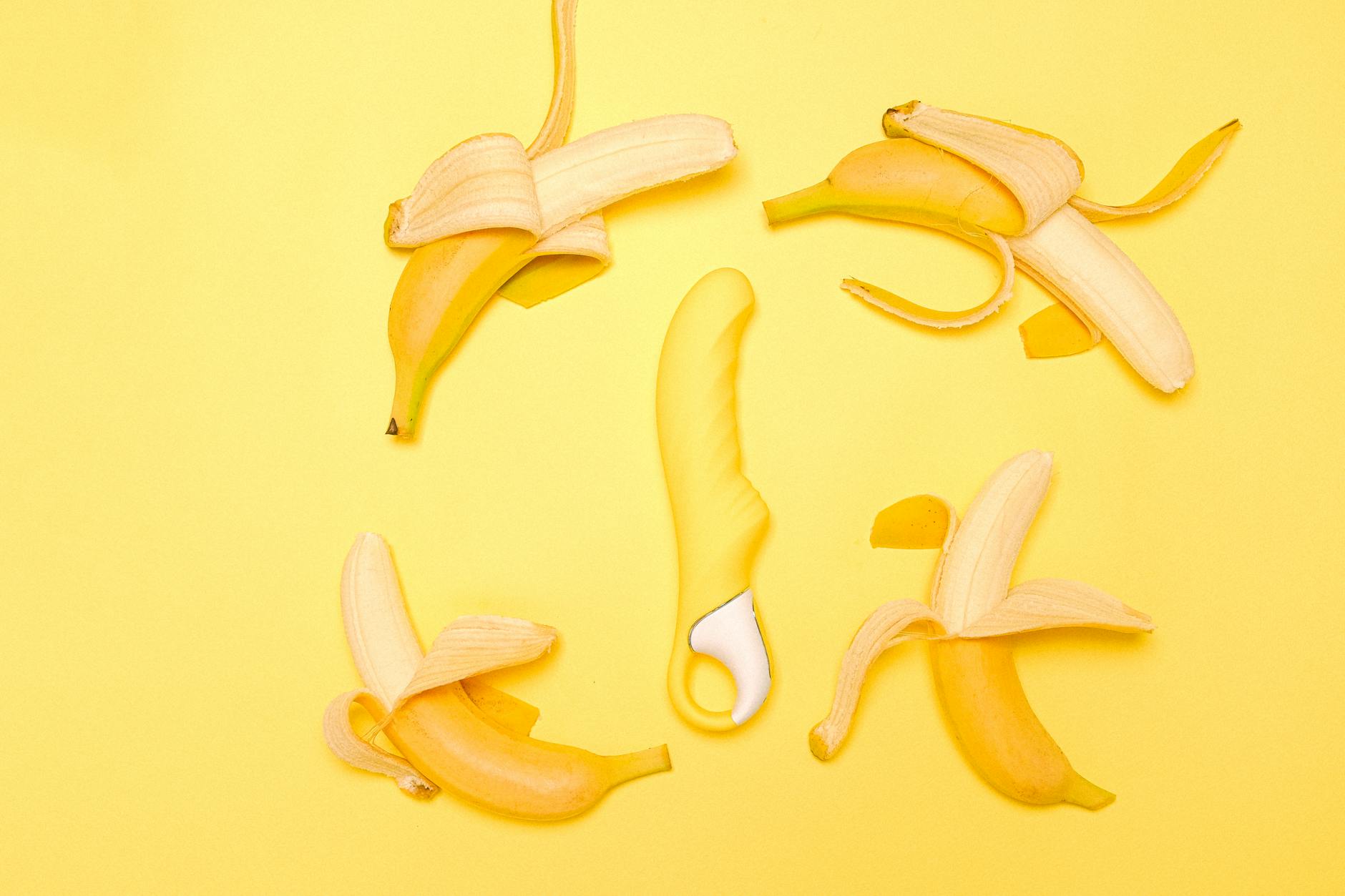
Here's the thing about pain and pleasure
When sex hurts—whether for minutes or months—your nervous system rewires itself. Not metaphorically. Literally. Your brain starts sending anticipatory warning signals the moment you think about sex, before anything even happens. That's not a character flaw. That's your body protecting you. The problem is that protection becomes a prison.
Rebuild doesn't mean erasing what happened. It means teaching your nervous system that sensation can feel good again. And it usually requires starting very, very small.
Why clitoral suction works better than friction after pain
Traditional vibrators use rapid back-and-forth motion. If your nervous system has been sensitized by painful penetration or aggressive stimulation, that mechanical friction can trigger anticipatory tension before you even consciously feel anything.
Clitoral suction technology, like a lemon vibrator, works differently. Instead of friction, it creates gentle rhythmic pressure and release around the clitoris. That pattern doesn't mimic the sensation that hurt you. Your brain doesn't have an alarm bell for this specific input. Which means you get a fighting chance to feel pleasure without your nervous system jamming the brakes.
Clitoral vibrators designed with suction technology also require less direct pressure on tissue, which is crucial if you've experienced pain from friction or aggressive stimulation. You're working with your body's healing timeline, not against it.
The relearning process actually takes time
Here's what I tell clients: expect 3-6 weeks of gentle, pressure-free exploration before you feel anything like "normal" pleasure again. Some people move faster. Some need longer. Pushing the timeline almost always backfires, because you're asking your nervous system to override its own protective mechanism. It won't.
During those first weeks, the goal isn't orgasm. Let me say that again: the goal is not climax. The goal is to notice sensation without judgment. Tingling. Warmth. Gentle pressure. Absence of pain. These are victories.
Start solo, in a space where you feel completely safe. No partner watching, no internal pressure to "prove" something works. Your nervous system heals faster when there's zero audience anxiety.
Building tolerance in micro-increments
Week 1-2: Touch without vibration. Explore your vulva with your fingers, no device. Warm water in the shower helps. Cotton sheets. Your own hands. The point is sensation without mechanism. You're remapping the territory.
Week 3: Introduce the lemon vibrator on the lowest setting, no insertion. Hold it against your labia (the outer lips), not the clitoris. Let it sit there. Don't move it. This is about your nervous system learning that this object doesn't hurt. That's all.
Week 4: Light external contact. Gentle contact over your clitoris, lowest pattern. You're looking for "I can feel something" not "this feels amazing." Tolerance first, pleasure second.
Week 5-6: Longer sessions, gradual pattern increases. Once you've had a few sessions with zero pain and zero anxiety, you can start exploring medium patterns. Stay external. Stay solo. Stay pressure-free.
The lemon clitoral vibrator's suction mechanism is useful here because it gives you something to lean into gradually. Unlike a traditional vibrator where you jump from "off" to "on," suction vibrators often have a slower ramp-up. You can stay in gentler territory much longer.
The emotional work runs parallel to the physical work
Rewiring pleasure after painful sex isn't just about your clitoris. It's about the story your brain tells itself about sex.
If pain happened during partnered sex, that's a relationship scar. Your partner might carry guilt. You might carry resentment or fear. Those emotions don't dissolve just because you're using a device that feels better. They have to be addressed separately. That's where a real conversation comes in.
Most couples I work with find it helpful to name what happened without shame. "Sex hurt. We both want it to feel good. Here's how I'm rebuilding." That statement is enough. Your partner doesn't need to watch. They don't need to fix it. They need to understand you're working on it, and they can trust your timeline.
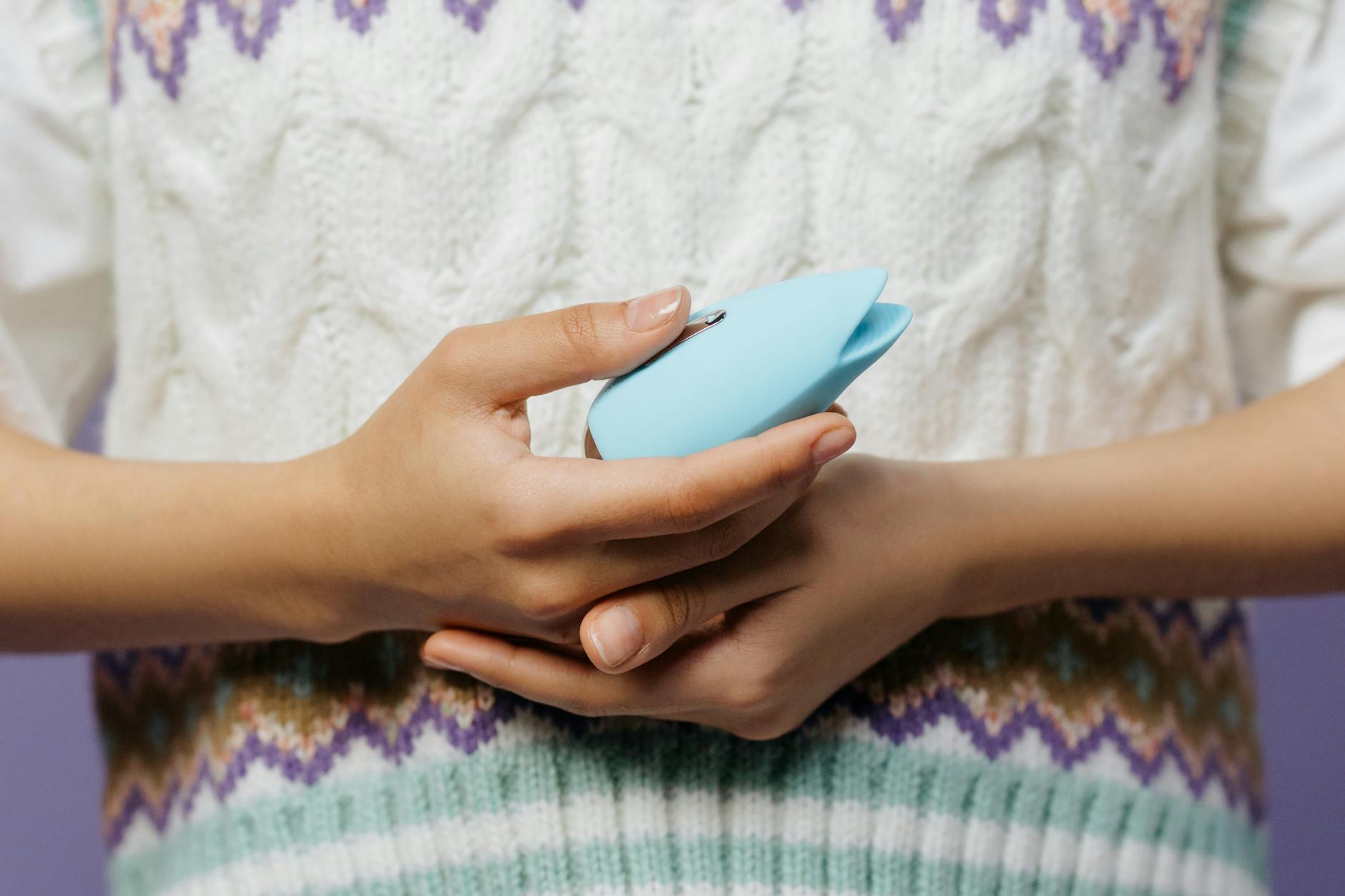
Photo by cottonbro studio on Pexels
When physical symptoms need clinical help
If pain during sex was caused by vaginismus (involuntary muscle clenching), endometriosis, pelvic floor dysfunction, or another medical condition, a lemon vibrator is part of recovery, not the whole solution. You need a pelvic floor physical therapist or gynecologist trained in pain management.
Those professionals can help you understand the mechanical cause of pain, which isn't your fault and isn't something willpower fixes. Once you know what you're working with, a device like a lemon clitoral vibrator becomes a useful tool within a larger treatment plan.
Same goes for trauma. If painful sex was connected to coercion or assault, rebuilding pleasure requires support from a trauma-informed therapist. A vibrator helps with the nervous system retraining part. It doesn't replace processing what happened.
The role of lubrication and patience
Water-based lubricant becomes your friend during recovery. Even if your body normally self-lubricates, adding extra lube removes any friction that might trigger anticipatory tension. It's not a sign of failure. It's a tool.
Use it generously. Reapply halfway through. Your nervous system needs to know there's zero resistance. That safety builds faster than you'd expect.
Most people also find that pleasure returns in layers. First, it's physical sensation without emotion. Then neutral emotion. Then, slowly, excitement. Then, eventually, connection. Don't skip any of those layers by rushing ahead. The ones who move slowest often get the deepest recovery.
Reintroducing partnered pleasure when you're ready
Once you've had consistent solo sessions where pain doesn't appear and sensation feels manageable, some couples want to bring partnered exploration back. That's okay, but it requires explicit communication.
Tell your partner what patterns and intensity feel safe. Let them hold the device if that feels right to you. Or keep it solo. Many people find that separate self-pleasure and partnered sex stay in different categories for a while. That's not a problem. That's just honest.
How to Rebuild Physical Intimacy After Emotional Distance Grows is worth reading if emotional disconnection and physical pain happened together. Often they do.
If you're navigating a desire mismatch during recovery, How to Use a Lemon Vibrator When You and Your Partner Want Different Things in Bed offers perspective on managing expectations without forcing intimacy.
When pleasure doesn't come back as expected
Sometimes, despite all the right moves, pleasure stays elusive. That's not failure. That's information. It usually means one of three things: medical factors that need different treatment, trauma that needs deeper processing, or a relationship dynamic that isn't safe enough for pleasure to feel possible.
If you're stuck after 8-12 weeks of consistent, patient exploration, bring in professional support. A sex therapist or relationship counselor can help you identify which barrier you're actually facing. A lemon vibrator is a tool. Sometimes you need a map too.
FAQ
How long until I feel normal pleasure again after painful sex?
There's no universal timeline. Most people report noticeable shifts in 4-8 weeks with consistent, low-pressure exploration. But "normal" might look different than before. Some experience deeper sensation. Some feel more control. Expect 3-6 months for emotional and physical aspects to fully realign, especially if the pain happened repeatedly or within a close relationship.
Can a lemon vibrator hurt if my nervous system is still sensitized?
On the lowest setting, with external contact only, and with plenty of lubrication, a lemon clitoral vibrator is designed to feel gentle. But if even light touch triggers pain or panic, that's a sign to pause and work with a pelvic floor therapist first. Your body knows its own readiness better than any device.
Should I use a lemon vibrator alone or with my partner during recovery?
Start solo. Your nervous system heals faster when there's zero performance pressure or partner anxiety. After 4-6 weeks of solo success, bringing a partner in is an option, but only if you want to. Many people find that separate self-pleasure and partnered sex serve different healing purposes during recovery.
What if I'm recovering from trauma and feel ashamed about using a device?
Shame and recovery can't coexist. A lemon vibrator isn't a crutch or a replacement for what "should" work. It's a tool to help your nervous system relearn that sensation can feel safe. Using tools during healing is wisdom, not weakness. Consider working with a trauma-informed therapist who understands how devices fit into nervous system recovery.
How do I know if my pain was physical or psychological?
Usually it's both. Pain has a physical mechanism (friction, tension, positioning, medical condition) and a psychological ripple (fear, shame, anticipation). You need both addressed. A gynecologist handles the physical part. A therapist or sex coach helps with the psychological part. They work best together.
Can a partner use a lemon vibrator on me during recovery?
Yes, but with explicit consent and clear boundaries beforehand. Many people find it easier to manage anxiety when they're holding the device themselves, at least during early recovery. Tell your partner exactly what intensity, pressure, and duration feel safe. Consistent safety builds trust back into partnered intimacy faster than forcing normal rhythm.
You're not broken, you're healing
Painful sex changes the relationship you have with your body. That's real. But it's also changeable. Your nervous system isn't broken. It's protecting you. The job now is to teach it that safety is possible again, in small, patient increments. A lemon vibrator can be part of that conversation with your body. So can time, professional support, and a partner who understands that rebuilding takes exactly as long as it takes.